

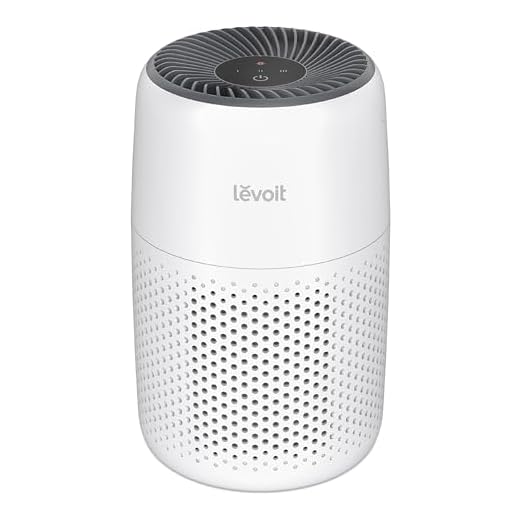


Research on Houseplants and Air Quality
Numerous studies have investigated the role of houseplants in enhancing indoor air quality. Research indicates that certain plants can absorb toxins and volatile organic compounds (VOCs) from the air. For instance, NASA’s Clean Air Study identified several species that effectively remove pollutants, contributing to a healthier indoor environment. These findings suggest that plants can play a significant role in maintaining air purity, especially in urban settings where indoor air quality often suffers due to pollutants.
While the effectiveness of houseplants in purifying air has been acknowledged, it is important to consider the scale at which this occurs. The level of air purification provided by plants tends to vary depending on factors such as the type of plant, size, and placement within a room. Some studies highlight that a substantial number of plants may be needed to achieve noticeable improvements in air quality, raising questions about practicality in everyday living spaces. Thus, the potential benefits of houseplants should be weighed against their limitations in air purification capabilities.
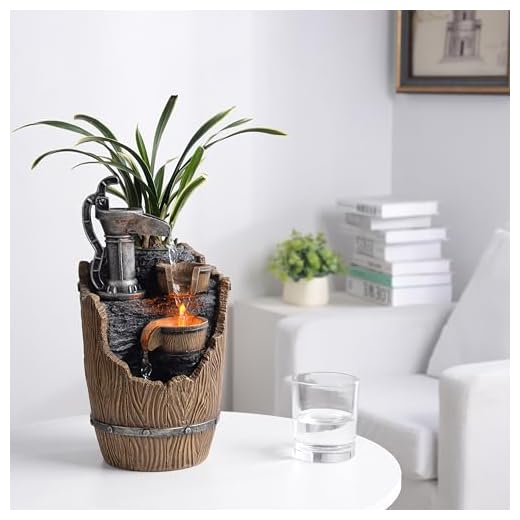
Common Plants Known for Air Purification
Numerous houseplants are renowned for their ability to enhance indoor air quality. Spider plants are among the most popular due to their resilience and capacity to filter out formaldehyde and xylene. Peace lilies are another effective choice; they are particularly adept at removing harmful pollutants while also adding a touch of elegance to any room.
Other notable performers in air purification include snake plants and pothos. Snake plants are known for their low maintenance requirements and their ability to convert carbon dioxide into oxygen at night. Pothos, with its trailing vines, not only serves as a decorative element but can also reduce indoor toxins such as benzene and formaldehyde. Incorporating these plants into your living spaces can significantly contribute to a healthier indoor environment.
Comparison of Air Purifiers and Houseplants
When comparing air purifiers to houseplants, it’s essential to understand their methods of action. Air purifiers utilize mechanical filtration or chemical processes to remove airborne particles and pollutants. They can effectively target allergens, dust, pet dander, and even certain gases. In contrast, houseplants rely on natural processes such as photosynthesis and transpiration. While they can absorb some toxins and release oxygen, their capacity to filter air is more limited and varies significantly among species.
The effectiveness of air purifiers in purifying air tends to outperform that of houseplants in terms of speed and volume. Studies have shown that while plants contribute positively to indoor air quality, they generally do not clean as thoroughly or as quickly as mechanical systems. The maintenance requirements also differ significantly. Air purifiers may require regular filter changes and cleaning, while houseplants need proper light, water, and occasional fertilization to thrive. Each option has its unique advantages and drawbacks, which makes the choice largely dependent on individual preferences and circumstances.
Efficiency in Air Cleaning
Air purifiers are engineered to filter pollutants from the air. They employ various technologies, such as HEPA filters, activated carbon, and UV light, to capture particles, allergens, and pathogens. The efficiency of these devices is often rated based on their Clean Air Delivery Rate (CADR), which measures the volume of filtered air delivered per minute. Many models can remove a significant percentage of indoor air contaminants in just a matter of hours.
Houseplants, on the other hand, contribute to air quality improvement through a more natural process. They absorb carbon dioxide and release oxygen while also removing certain toxins. The rate at which they clean the air can vary widely depending on the species, size, and health of the plants. While some studies show they can reduce volatile organic compounds (VOCs) to some extent, the impact is generally less effective compared to mechanical methods. The scale and speed at which plants purify air is typically slower, requiring a larger number to achieve significant results.
Cost Analysis of Air Purifiers vs Houseplants
When considering the financial implications of air purifiers and houseplants, initial investment plays a significant role. Air purifiers typically require a higher upfront cost, with prices often ranging from $50 to over $500 depending on features and capabilities. Additionally, replacement filters can add to the ongoing expenses, necessitating regular maintenance to ensure optimal performance. Conversely, houseplants generally come at a lower price point, with many varieties available for under $50. The primary cost is often in the purchase of soil and pots, making them a more budget-friendly option in the short term.
Long-term expenses further contribute to the cost analysis. Air purifiers may incur ongoing costs from electricity bills, especially for units that run continuously. The lifespan of the filters can also dictate how frequently a user needs to spend on replacements. Houseplants, while less taxing on immediate finances, do require care that may involve fertilizer, soil amendments, and occasionally the purchase of new plants. Furthermore, health and wellness benefits gained from plants may influence overall cost effectiveness, as choosing to invest in greenery could yield better emotional and physical well-being, which isn’t easily quantified in monetary terms.
Initial Investment and Maintenance Costs
The initial investment for air purifiers typically ranges from $50 to several hundred dollars, depending on the brand, features, and capacity of the unit. Higher-end models often come equipped with advanced technologies such as HEPA filters, activated carbon layers, and smart connectivity options. In contrast, houseplants generally require a lower upfront cost, with many common varieties available for a few dollars at local nurseries or garden centers. The diversity in plant types allows for flexible budgeting based on individual preferences.
Ongoing maintenance costs for air purifiers can include filter replacements, which may cost between $20 and $100 each year, alongside occasional electricity usage. Regular upkeep is essential to ensure optimal performance, with a typical cleaning cycle ranging from every 6 to 12 months, depending on usage and environmental conditions. For houseplants, recurring expenses involve potting soil, fertilizers, and necessary tools. Although the investment is lower, the care required may vary significantly based on the specific plant species and their environmental needs.
FAQS
Do houseplants really improve indoor air quality?
Yes, certain houseplants can improve indoor air quality by absorbing toxins and releasing oxygen. However, their overall effectiveness varies depending on the type of plant and the size of the space.
How do air purifiers work?
Air purifiers use filters and other technologies, such as HEPA filters or activated carbon, to remove pollutants, allergens, and toxins from the air, improving indoor air quality more rapidly than houseplants.
Which is more cost-effective in the long run: air purifiers or houseplants?
While houseplants may have lower initial costs and require minimal maintenance, air purifiers can provide more immediate and extensive air quality improvements. The long-term cost-effectiveness depends on individual needs and preferences.
Can I solely rely on houseplants for clean air in my home?
While houseplants can contribute to better air quality, relying solely on them may not be sufficient for larger spaces or areas with high levels of pollutants. Combining plants with an air purifier is often more effective.
Are there specific houseplants that are better for air purification?
Yes, some common plants known for their air purification abilities include the Spider Plant, Snake Plant, and Peace Lily. These plants have been studied for their ability to filter out certain toxins from the air.

