




The Role of Photosynthesis in Air Quality
Plants play a crucial role in maintaining air quality through the process of photosynthesis. During this process, they absorb carbon dioxide from the atmosphere and release oxygen. This transformation not only benefits the plants themselves but also contributes to a healthier environment for humans and other living organisms. Studies have shown that indoor plants can significantly improve air quality, making them essential components for both homes and workplaces.
The ability of plants to filter toxins and purify the air is linked to their natural processes. While photosynthesis creates oxygen, plants also draw in various pollutants, such as formaldehyde and benzene, through their leaves. Over time, this contributes to a reduction in harmful substances within indoor spaces. Understanding the science behind this phenomenon helps underscore the importance of selecting appropriate plants for air quality enhancement.
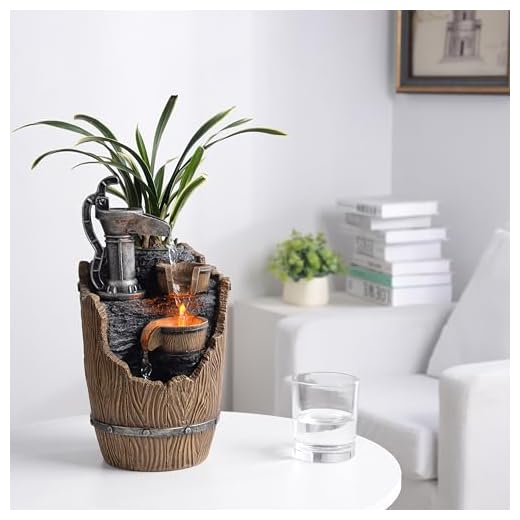
How Plants Convert CO2 into Oxygen
Plants play a crucial role in the process of photosynthesis, wherein they absorb carbon dioxide from the atmosphere. This gas enters the plant through tiny openings called stomata, present mainly on the underside of leaves. The absorbed CO2 travels to the chloroplasts, where it combines with sunlight and water to produce glucose and oxygen. The glucose serves as energy for the plant, while the oxygen is released back into the air, contributing to a cleaner and healthier environment.
This natural process not only sustains the plant’s growth but also benefits surrounding air quality by reducing the concentration of carbon dioxide. Studies have shown that incorporating plants into indoor spaces can significantly enhance the air we breathe. Various types of houseplants are particularly adept at filtering airborne pollutants, thus creating a more balanced atmosphere. By choosing the right plants, one can take advantage of their ability to convert CO2 into oxygen effectively.
Choosing the Right Plants for Your Space
Selecting indoor plants requires careful consideration of various factors to ensure a harmonious addition to your environment. Space constraints play a critical role; some plants thrive in compact areas while others require additional room for growth. Light availability also matters, as certain species prefer bright, indirect sunlight while others flourish in low-light conditions. Understanding the specific needs of each plant helps prevent issues and supports their long-term health.
It’s essential to assess your lifestyle when choosing plants. Some species demand more maintenance, including regular watering and humidity control, while others are more forgiving and resilient. Consider potential allergies or sensitivities as well, since certain plants may emit compounds that could affect air quality negatively for some individuals. By weighing these factors, you can select plants that not only enhance your space but also contribute positively to your indoor air quality.
Factors to Consider for Optimal Growth
When selecting indoor plants, it’s essential to assess the light availability in your space. Different plants have varying light requirements, ranging from low to bright indirect sunlight. For instance, snake plants thrive in low-light conditions, while succulents require more sunlight to flourish. Understanding the specific needs of each plant helps in determining the best location within your home for optimal growth.
Another critical factor to consider is the humidity level of your environment. Many indoor plants, particularly tropical varieties, prefer higher humidity levels to maintain their health. Conversely, some plants, like cacti, thrive in drier conditions. It’s advisable to monitor humidity and adjust your watering and misting routines accordingly to create a suitable atmosphere for your greenery.
Care Tips for Indoor Air-Purifying Plants
To maintain the health and vitality of indoor air-purifying plants, proper watering is essential. Overwatering can lead to root rot, while underwatering may cause the leaves to wilt. It’s important to check the soil moisture regularly and adjust the watering schedule based on the specific needs of each plant. Some plants thrive in drier conditions, while others prefer consistently moist soil, so knowing the requirements of your plants will aid in their longevity.
Light conditions also play a crucial role in the maintenance of indoor plants. Most air-purifying varieties do best in bright, indirect light. Direct sunlight can scorch the leaves, while too little light can hinder their growth and effectiveness in purifying air. Positioning plants near windows or in rooms that receive natural light can enhance their air-filtering capabilities. Regularly rotating the plants can ensure even light exposure, promoting balanced growth and overall health.
Maintaining Health and Vitality
Regular care is essential to keep indoor plants thriving and effective at purifying air. Verifying adequate watering schedules is important; overwatering can lead to root rot while underwatering may stress plants. A consistent layer of nutrient-rich soil supports growth. Adapting to the light conditions of the environment enhances their health. Different species have varying light needs, so identifying the best placement becomes crucial.
Fertilizing indoor plants periodically contributes to their vitality. Organic fertilizers provide essential nutrients and aid in overall growth. Monitoring humidity levels can also play a key role. Some plants thrive in more humid conditions, which can be simulated with misting or placing a humidity tray nearby. Regular pruning helps maintain shape and allows for better air circulation, further promoting a healthy environment for your plants.
FAQS
What are the best indoor plants for improving air quality?
Some of the best indoor plants for air quality include Spider Plants, Snake Plants, Peace Lilies, and Boston Ferns. These plants are known for their ability to filter common indoor pollutants.
How do indoor plants improve air quality?
Indoor plants improve air quality primarily through the process of photosynthesis, where they convert carbon dioxide (CO2) into oxygen and absorb harmful toxins from the air, helping to create a healthier living environment.
How much light do air-purifying plants need?
The light requirements vary by plant species. For example, Snake Plants can thrive in low light, while Peace Lilies prefer brighter, indirect sunlight. It’s important to research the specific needs of each plant to ensure optimal growth.
Are indoor plants safe for pets?
Some indoor plants can be toxic to pets, such as Peace Lilies and Aloe Vera. It’s essential to check the toxicity of any plant before bringing it into a home with pets and consider non-toxic alternatives like Spider Plants or Boston Ferns.
How often should I water indoor air-purifying plants?
The watering frequency will depend on the type of plant, its size, and environmental conditions. Generally, it’s best to allow the top inch of soil to dry out before watering again, but always refer to care instructions specific to each plant.

