


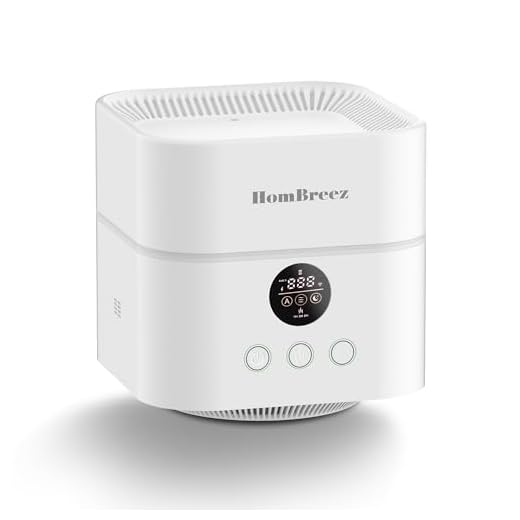
Potential Downsides of Low Humidity
Low humidity can lead to a range of discomforts and health issues. Dry air often results in dry skin, irritated sinuses, and increased susceptibility to colds or flu. Individuals may experience a constant feeling of dryness in their throat and eyes, making daily activities uncomfortable. Furthermore, low humidity can exacerbate respiratory conditions such as asthma, making breathing more difficult and leading to potential complications.
In addition to physical discomfort, low humidity can affect indoor environments and possessions. Wooden furniture and musical instruments may warp or crack due to the lack of moisture. Plants can suffer as well, leading to wilting or even death in sensitive species. Maintaining a balanced humidity level is essential not just for personal health but also for preserving the quality of the living environment and its contents.
Effects of Dry Air on Health
Dry air can significantly impact overall health and wellbeing. It contributes to various respiratory issues, as the moisture in the air helps keep mucous membranes soft and functional. When humidity levels drop, these membranes can dry out, leading to irritation in the nasal passages and throat. This irritation can exacerbate conditions such as asthma or allergies, making breathing more uncomfortable.
Skin and eyes also suffer in low humidity environments. Without sufficient moisture, skin can become dry, itchy, and prone to cracking. Similarly, dry air can lead to eye discomfort, causing feelings of irritation or redness. These health concerns highlight the importance of maintaining optimal humidity levels in indoor spaces to support both respiratory and skin health.
Comparing Air Purifiers and Humidifiers
Air purifiers and humidifiers serve distinct functions that address different aspects of indoor air quality. An air purifier is designed to remove particulates from the air, such as dust, pollen, pet dander, and airborne pathogens. This technology is essential for those with allergies or respiratory issues. In contrast, a humidifier adds moisture to the air, which can alleviate symptoms associated with dry air, such as dry skin and irritated respiratory tracts. Each device targets specific air quality concerns, making it important to understand their individual roles.
Understanding how these devices complement one another can help improve overall indoor comfort. In many scenarios, particularly in regions with dry winters, using both can create a healthier environment. While an air purifier cleanses the air, a humidifier maintains optimal humidity levels. This synergy can result in a more comfortable living space while addressing multiple air quality challenges simultaneously. Selecting the right combination depends on personal needs and environmental conditions.
Key Differences in Functionality
Air purifiers are designed primarily to remove particulate matter and pollutants from the air. They use filters and technology like HEPA filters to trap dust, allergens, pet dander, and even some viruses or bacteria, ensuring that the air you breathe is cleaner. These devices work by continuously circulating air in a room, capturing harmful particles, and improving overall air quality. Their effectiveness can vary based on the filter quality and the speed at which the device can process air.
In contrast, humidifiers focus on increasing moisture levels in the air. They release water vapor or steam into the environment, helping to alleviate issues caused by dry air. This is particularly beneficial in dry winters or in areas with low humidity. Humidifiers can help prevent dry skin, irritated nasal passages, and respiratory discomfort. The functionality of these two devices serves distinct purposes, and they can even be used together to maintain balanced air quality.
Cost and Maintenance Factors
Investing in air quality devices involves understanding their associated costs and ongoing maintenance needs. Air purifiers generally vary in price depending on their features, such as filtration technology and coverage area. Higher-end models may come with HEPA filters or specialized functions like smart capabilities, which can increase the initial purchase price. Humidifiers, on the other hand, also range in cost and can require additional expenses for filter replacements or regular cleaning to prevent mold growth.
Maintenance is crucial for both devices to ensure optimal performance and longevity. Air purifiers might require filter replacements every few months, which adds to their long-term costs. This contrasts with humidifiers that need regular water changes and occasional descaling to prevent mineral buildup. When budgeting for air quality improvements, it’s essential to factor in not only the initial purchase but also the routine maintenance expenses that can impact overall spending.
Budgeting for Air Quality Devices
Investing in air quality devices can vary significantly depending on the brand, features, and technology involved. Air purifiers generally range from affordable models suitable for small spaces to high-end versions equipped with advanced filtration systems for larger areas. Humidifiers, on the other hand, also come in various types, such as cool mist or warm mist units, which can influence their price points. It’s crucial to consider the specific needs of your environment, as this will help determine which device is most suitable and cost-effective for your situation.
Maintenance costs are another factor to keep in mind when budgeting for these devices. Regular filter replacements for air purifiers can add to the long-term expenses, while humidifiers may require frequent cleaning and the occasional purchase of dem mineralization filters or other components. Evaluating the ongoing costs in addition to the initial purchase price will provide a clearer picture of the overall investment required to enhance air quality effectively.
FAQS
Do I need a humidifier if I have an air purifier?
It depends on your specific air quality needs. Air purifiers clean the air by removing pollutants, while humidifiers add moisture to the air. If you are experiencing dry air, a humidifier may be beneficial even with an air purifier.
What are the signs that my home has low humidity?
Common signs of low humidity include dry skin, cracked lips, increased static electricity, and difficulty breathing. You may also notice that wooden furniture or floors are starting to crack or warp.
Can using both an air purifier and a humidifier improve indoor air quality?
Yes, using both can enhance indoor air quality by removing allergens and pollutants while also adding necessary moisture to the air, creating a more comfortable living environment.
How do air purifiers and humidifiers differ in functionality?
Air purifiers are designed to filter out dust, pollen, smoke, and other airborne particles, while humidifiers add moisture to the air to combat dryness. They serve different purposes but can complement each other.
Are there any maintenance considerations when using an air purifier and a humidifier together?
Yes, maintain both devices regularly. Air purifiers require filter changes and cleanings, while humidifiers need to be cleaned to prevent mold and bacteria buildup. Proper maintenance ensures both devices function effectively.

