
Mixing Honey with Other Ingredients
Combining honey with other ingredients can elevate both flavor and nutritional value. It pairs especially well with dry milk, lending sweetness and moisture to recipes. Other popular combinations include honey mixed with yogurt or spread on bread, enhancing the taste while providing additional health benefits. The versatility of honey allows it to be used in dressings, marinades, and baked goods, making it a valuable addition to various culinary creations.
When mixing honey with dry ingredients, it’s essential to consider the viscosity and consistency of the final product. Honey can create clumps if not incorporated properly, potentially altering the texture of baked goods or other mixtures. Warm honey can help dissolve it more easily into liquid, ensuring an even distribution. Careful measurement of honey ensures a balanced flavor, preventing it from overwhelming other tastes.

Flavor Combinations to Try
Experimenting with flavor combinations can elevate your culinary creations. Consider blending dry milk with cocoa powder and a touch of honey for a rich hot chocolate mix. Alternatively, mixing dry milk with vanilla extract and a sprinkle of cinnamon can provide a comforting base for pancakes or waffles.
For those seeking a more fruity twist, adding freeze-dried strawberries or blueberries to the dry milk can enhance smoothies and oatmeal. A mix of dry milk and matcha powder introduces a vibrant green tea flavor that pairs wonderfully with honey for a unique beverage. These combinations not only enhance taste but also provide added nutrition.
Potential Allergens in Add-Ins
Many popular add-ins can trigger allergic reactions in sensitive individuals. Common allergens like nuts, soy, gluten, and dairy are often found in flavored powders, nutritional supplements, or pre-packaged mixes. It is essential to thoroughly read ingredient labels before incorporating any add-in into your recipes or meals. Cross-contamination during manufacturing can also pose a risk.
Even seemingly harmless ingredients can carry potential allergens. For example, dry milk might seem safe, but those with lactose intolerance or a milk allergy need to remain cautious. Honey, while generally safe, can also be a concern for individuals with specific pollen allergies. Familiarizing yourself with these risks helps in creating safer meals for everyone, including those with dietary restrictions.
Identifying Common Food Allergens
Food allergies can arise from a variety of ingredients commonly used in kitchens. Milk, eggs, peanuts, tree nuts, soy, wheat, fish, and shellfish stand out as the eight most prevalent allergens. Each of these can cause severe reactions in sensitive individuals, making it crucial for anyone handling food to be aware of their presence and potential crossover contamination.
Identifying these allergens requires careful reading of labels and an understanding of food preparation practices. Cross-contact can easily occur in shared spaces, especially when using bulk ingredients or preparing multiple dishes. It is essential to maintain separate utensils and surfaces for allergenic foods to minimize risks and ensure safe consumption for those with allergies.
Safety Tips for Handling Dry Milk
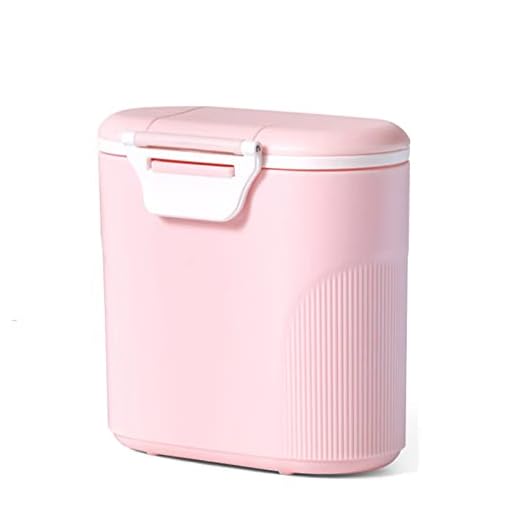
When working with dry milk, proper storage is essential to maintain its freshness and prevent spoilage. Keep it in an airtight container in a cool, dry place away from sunlight. This will help to extend its shelf life and maintain its quality. Always check the expiration date before use and discard any product that shows signs of clumping or an unusual odor.
Clean hands and surfaces are crucial when handling dry milk to avoid cross-contamination. Use a clean scoop or spoon when measuring out portions to prevent introducing bacteria from other food items. If you’re using it in recipes that require mixing, do so in a clean bowl to ensure that no contaminants affect the final product. Implementing these practices will help ensure safe consumption of dry milk in your culinary creations.
Preventing Contamination during Use
To maintain the integrity of dry milk, it is essential to observe strict hygiene practices. Always use clean utensils when scooping out the powder. Dirt or moisture from contaminated tools can spoil the remaining contents. Store dry milk in a tightly sealed container in a cool, dry place, away from direct sunlight. This helps prevent the growth of mold and preserves freshness.
Furthermore, one must be cautious when mixing dry milk with other ingredients. Cross-contamination can occur if unclean surfaces or hands come into contact with the powder. It’s advisable to clean countertops and work areas thoroughly before preparing recipes that include dry milk. Regularly inspecting the packaging for any signs of damage or pests is also a prudent measure to ensure that your ingredients remain safe and uncontaminated.
FAQS
Can I mix honey with any type of dry milk?
Yes, you can mix honey with any type of dry milk, but it’s important to ensure that the dry milk is free from any contaminants and allergens before mixing.
What are some safe flavor combinations with honey?
Some safe flavor combinations to try with honey include honey and cinnamon, honey and vanilla, or honey mixed with citrus flavors like lemon or orange. Always check for allergies before trying new combinations.
How can I identify common allergens in food add-ins?
Common allergens can typically be identified by checking the ingredient labels on packages, as well as being aware of the most common allergens such as nuts, dairy, gluten, and soy.
What are some safety tips for handling dry milk?
To handle dry milk safely, always use clean utensils, store it in a cool, dry place, and ensure the container is tightly sealed to prevent moisture contamination.
How can I prevent contamination when using dry milk?
To prevent contamination, avoid using wet or dirty spoons to scoop dry milk, keep it away from strong odors, and store it in an airtight container to maintain its quality.

