

Nutritional Benefits of Low-Carb Breads
Low-carb breads offer several nutritional advantages for those looking to reduce carbohydrate intake. They typically contain fewer calories compared to traditional breads, making them an appealing choice for individuals trying to manage their weight. These breads often incorporate alternative flours such as almond or coconut, which are higher in protein and healthy fats. This unique composition can promote satiety and stabilize blood sugar levels, reducing the likelihood of hunger pangs shortly after eating.
Incorporating low-carb breads into a daily diet can support various dietary goals. For those following ketogenic lifestyles, these options help maintain the state of ketosis, where the body burns fat for energy instead of carbohydrates. Additionally, many low-carb bread recipes are enriched with fiber, which can aid digestion and improve overall gut health. Choosing lower-carbohydrate options allows for more flexibility in meal planning while still providing essential nutrients.
Comparing Carbohydrate Counts
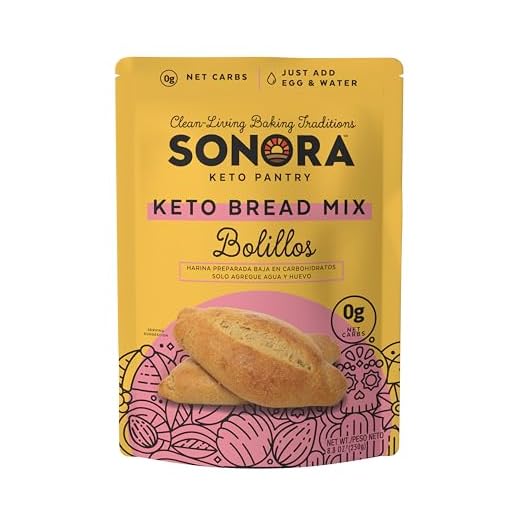
When evaluating the carbohydrate content of various low-carb bread recipes, it’s important to consider the ingredients used. Many recipes swap out traditional wheat flour for alternatives like almond flour, coconut flour, or flaxseed meal, which can significantly lower the total carbohydrate count. These alternatives not only provide lower net carbs but also add essential nutrients and healthy fats. For anyone monitoring their carbohydrate intake, choosing the right flour can make a considerable difference in the nutritional profile.
In addition to the type of flour, the overall recipe composition plays a critical role in carbohydrate levels. Ingredients such as eggs, cheese, and seeds can further reduce carb content while increasing protein and fiber. It is helpful to calculate the net carbs per serving by subtracting fiber and sugar alcohols from the total carbohydrates. Keeping an eye on serving sizes is equally essential, as even low-carb breads can contribute to daily carb totals, especially if consumed in larger portions.
Troubleshooting Common Bread Machine Issues
Bread machines can present a range of challenges during the baking process. If the bread doesn’t rise properly, it may be due to expired yeast or incorrect measurements of ingredients. Ensure that yeast is fresh and activated correctly by checking its expiration date. Also, measuring flour too tightly can lead to excess weight, affecting the dough’s ability to rise. Adjusting ingredient ratios can sometimes resolve these issues.
Another common problem is uneven baking, which might result from an improperly closed lid or a malfunctioning heating element. It’s important to keep the lid securely latched during the bake cycle for accurate temperature control. If you notice uneven browning, consider rotating the bread pan or adjusting the baking time. Regular maintenance of the machine, such as cleaning and checking for wear in components, can also help prevent these issues.
How to Fix Dough Consistency Problems
Dough consistency issues can arise for various reasons, affecting the overall quality of the bread. If your dough is too dry, consider adding small amounts of liquid, such as water or oil, incrementally until reaching the desired texture. Conversely, if the dough appears too wet and sticky, increase the flour in gradual increments. Always ensure you’re measuring ingredients precisely, as even minor deviations can lead to significant changes in the dough’s consistency.
Another common problem may involve the kneading time in your bread machine. If the dough doesn’t form a cohesive ball, check the machine’s settings and adjust the kneading duration if necessary. Insufficient kneading can result in poor structure, while over-kneading can lead to tough bread. Always refer to the recipe for specific instructions tailored to the ingredients used, and monitor the dough during the kneading phase for optimal results.
Storing and Freezing Low-Carb Bread
Low-carb bread can maintain its freshness and flavor with proper storage techniques. Once your loaf has cooled completely, wrap it tightly in plastic wrap or aluminum foil to prevent moisture loss. Alternatively, store it in an airtight container. Keeping the bread in a cool, dark place, like a pantry, can help prolong its shelf life for several days.
Freezing is an excellent option for preserving low-carb bread beyond its immediate lifespan. Slice the bread before freezing to make it easier to thaw individual portions. Place the slices in a resealable freezer bag or wrap them in parchment paper before putting them in the freezer. This method safeguards the quality and taste while allowing you to enjoy fresh-tasting bread whenever you desire.
Best Practices for Longevity
Proper storage is vital for maintaining the freshness and quality of low-carb bread. Always allow the bread to cool completely before wrapping it. This prevents condensation from forming, which can lead to mold growth. Use airtight containers or resealable bags for storage, keeping the bread in a cool, dry place. For optimal freshness, consider slicing the bread before storage. Individual slices can be accessed easily, and this method also allows for even freezing if needed.
Freezing can significantly extend the shelf life of your bread. Wrap the fully cooled loaf tightly in plastic wrap or aluminum foil before placing it in a freezer bag. Label the bag with the date to keep track of freshness. When ready to consume, remove only the slices needed and allow them to thaw at room temperature or toast them directly from frozen. This method not only preserves flavor and texture but also reduces the risk of waste.
FAQS
What are the nutritional benefits of low-carb breads?
Low-carb breads are typically lower in calories and carbohydrates compared to traditional breads, making them suitable for those following a ketogenic or low-carb diet. They often contain higher amounts of protein and healthy fats, contributing to better satiety and energy levels.
How do the carbohydrate counts of low-carb breads compare to regular bread?
Low-carb breads can have significantly fewer carbohydrates than regular bread, often containing just a few grams of net carbs per slice, while traditional bread can have 15-20 grams or more per slice. This makes low-carb varieties a better choice for those monitoring their carb intake.
What are some common issues when using a bread machine for low-carb breads?
Common issues include dough consistency problems, uneven baking, and bread that doesn’t rise properly. These issues can often be resolved with adjustments to ingredients, machine settings, or techniques.
How can I fix dough consistency problems in my bread machine?
To fix dough consistency problems, ensure that you’re measuring ingredients accurately, adjust the liquid-to-dry ingredient ratio if necessary, and try different types of flour or binders that are specifically designed for low-carb baking.
What are the best practices for storing and freezing low-carb bread?
For optimal longevity, store low-carb bread in an airtight container at room temperature for up to a week or freeze it for longer storage. When freezing, slice the bread before freezing so you can easily take out individual slices as needed.