



Usage in Bread Makers
Each type of yeast has its unique characteristics that affect how it is used in bread makers. Instant yeast, also known as quick-rise or rapid-rise yeast, is designed to be mixed directly with flour. This allows for shorter preparation times and often eliminates the need for proofing. Its fast-acting properties contribute to a quick rise, which is particularly advantageous for busy home bakers seeking efficiency.
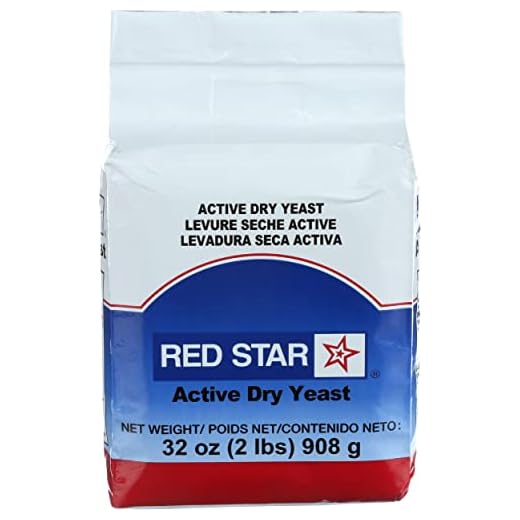
Active dry yeast required activation before use. This involves dissolving it in warm water to awaken the organisms within. Many bread machine users prefer instant yeast for its convenience. However, those who choose active dry yeast often appreciate the traditional process it brings to baking. Each type offers distinct advantages, allowing bakers to select based on their particular preferences and recipes.
How to Use Each Yeast Type in Bread Machines
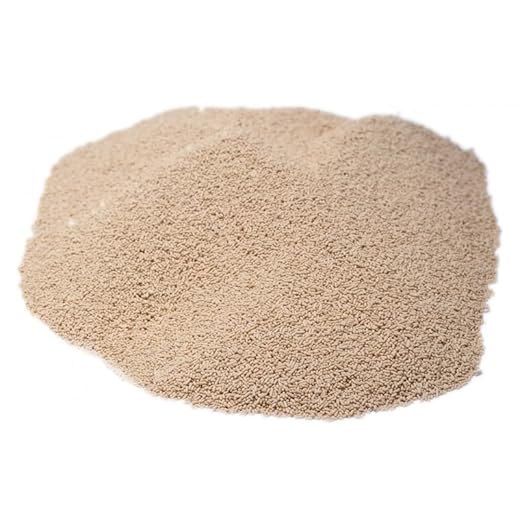
When using instant yeast in a bread machine, it’s important to incorporate it directly with the dry ingredients. There’s no need for proofing, which saves time during the preparation process. Typically, the yeast should be mixed with flour, salt, and any other dry components before adding the liquids. This approach ensures an even distribution throughout the dough, leading to a more consistent rise and texture in the final product.
Active dry yeast, on the other hand, requires activation before being added to the bread machine. To do this, dissolve the yeast in warm water (around 110°F) along with a pinch of sugar and let it sit for about five to ten minutes until it becomes frothy. Once activated, this mixture can be poured into the machine at the same time as the other liquid ingredients. Following this method helps to ensure an even rise and a successful bake with active dry yeast.
Nutritional Aspects of Yeast
Yeast is not only a key ingredient in the fermentation process but also a source of essential nutrients. It is rich in B vitamins, including B1, B2, niacin, and folate, which play vital roles in maintaining energy levels and supporting metabolism. Additionally, yeast contains minerals such as iron, magnesium, and selenium, contributing to overall dietary needs. Its high protein content also makes it a valuable addition for those seeking to increase their protein intake.
Active dry and instant yeasts offer similar nutritional benefits. Both types are cultivated from the same strains of yeast, ensuring that they retain comparable nutrient profiles. When used in bread and other baked goods, their nutritional contributions enhance the overall quality of the final product. Integrating yeast into meals not only boosts flavors but also enriches them with beneficial nutrients, making it a worthwhile component in various recipes.
Health Benefits of Using Yeast in Baking
Yeast plays a crucial role in not only the leavening of bread but also in enhancing its nutritional profile. When yeast ferments, it produces various compounds that can contribute to the overall health benefits of baked goods. Essential vitamins, particularly B vitamins like B1, B2, B3, and B6, are released during the fermentation process. These vitamins are known to support energy metabolism and overall physical health, making yeast an important addition to bread recipes.
Moreover, the fermentation process can also improve the digestibility of certain ingredients. For individuals sensitive to gluten or who find it difficult to digest bread, the activity of yeast can help break down some of the gluten proteins, potentially making the final product easier to tolerate. This process may also reduce the glycemic index of the bread, offering a healthier option for those monitoring blood sugar levels.
Common Baking Mistakes
Bakers often overlook the importance of accurately measuring ingredients, leading to inconsistent results. A lack of precision in measuring flour or water can affect the dough’s hydration level, impacting the texture and rise of the bread. Additionally, using old or expired yeast may prevent the dough from rising effectively, resulting in dense loaves that fail to achieve the desired lightness.
Another common mistake occurs during the proofing stage. Some bakers may not allow enough time for the yeast to activate, leading to under-proofed bread. On the flip side, over-proofing can cause the dough to rise excessively, resulting in a collapse during baking. Observing the dough’s appearance and providing a warm environment for proofing are key elements to achieving a successful rise.
Troubleshooting Yeast Issues in Bread Making
When yeast fails to rise properly, various factors could be at play. One common issue is the temperature of the liquid used in activating the yeast. If the water is too hot, it can kill the yeast, while water that’s too cold may not activate it effectively. Ensuring the water is at the right temperature, typically around 110°F to 115°F, sets a solid foundation for yeast activity. Additionally, expired or improperly stored yeast can lead to poor results. Keeping yeast in a cool, dry place and checking expiration dates can help maintain its potency.
Another common problem in bread making is the presence of too much salt, which can inhibit yeast growth. Salt is essential for flavor, but excessive amounts can suffocate the yeast. It’s crucial to measure salt accurately and understand its role in fermentation. If bread doesn’t rise adequately, it might be worth considering adjusting the amount of salt used in the recipe. Finally, environmental factors, such as humidity and elevation, can impact rising times. Experimenting with these variables can lead to better results in your bread-making endeavors.
FAQS
What is the main difference between instant yeast and active dry yeast?
The main difference is that instant yeast can be mixed directly with dry ingredients without needing to be activated in warm water, while active dry yeast requires proofing in warm liquid before use.
Can I substitute active dry yeast for instant yeast in my bread recipe?
Yes, you can substitute active dry yeast for instant yeast, but you should increase the amount by about 25% and allow it to proof before adding it to the dough.
Does instant yeast rise faster than active dry yeast?
Yes, instant yeast typically rises faster than active dry yeast, making it a convenient option for quick bread recipes.
Are there any nutritional benefits to using yeast in baking?
Yes, yeast provides various nutritional benefits, including B vitamins, protein, and trace minerals, contributing to the overall nutritional profile of the baked goods.
What should I do if my bread doesn’t rise properly?
If your bread doesn’t rise, check the freshness of your yeast, ensure that your water temperature is appropriate, and confirm that your dough was kneaded adequately.

