

Maintenance of Air Purifiers
Regular maintenance is crucial for the optimal performance of air purifiers. Keeping the device clean ensures that it operates efficiently, allowing it to effectively remove pollutants from the air. Dust and debris can accumulate on the exterior and inside components, potentially hindering airflow and reducing the purifier’s ability to capture smoke particles and other contaminants.
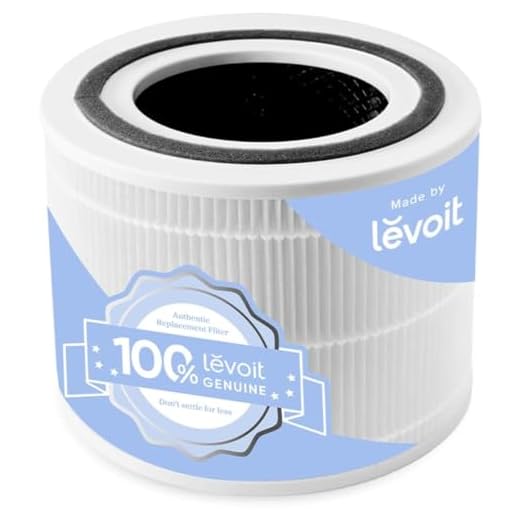
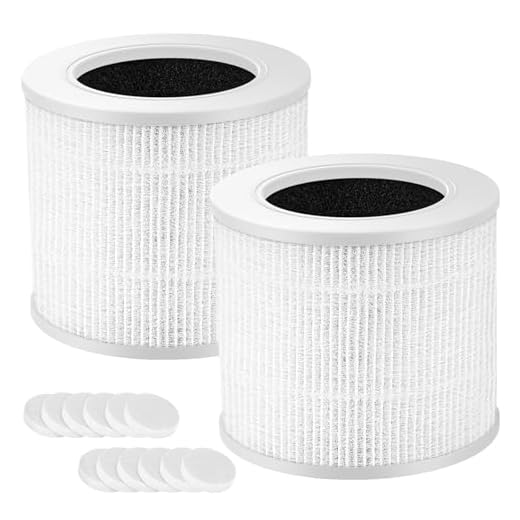
Replacing filters as recommended by the manufacturer is another vital aspect of maintaining an air purifier. Over time, filters can become saturated with trapped particles, resulting in diminished air quality. Routine checks and timely replacements help sustain the purifier’s effectiveness in improving indoor air conditions, benefiting users who aim to reduce exposure to smoke and other harmful substances.
Cleaning and Replacing Filters
Filters play a crucial role in maintaining the performance of air purifiers, especially when it comes to capturing smoke particles. Regularly cleaning or replacing filters is essential to ensure the device operates efficiently. Each type of filter—HEPA, activated carbon, or pre-filters—has specific maintenance requirements and timelines. Ignoring these guidelines can result in reduced effectiveness, leading to a buildup of contaminants within the device.
Proper maintenance not only enhances the air purifier’s ability to remove smoke but also prolongs its lifespan. Users should consult the manufacturer’s instructions for details on when and how to perform maintenance. Keeping track of filter status can help prevent airflow obstruction and maintain optimal performance. This ensures that the air purifier continues to deliver clean air in environments affected by smoke.
Additional Benefits of Air Purifiers
Air purifiers offer a range of benefits that extend beyond smoke removal. They play a significant role in mitigating allergens such as dust pollen and pet dander, which can be particularly beneficial for individuals with allergies or respiratory conditions. By capturing these particles, air purifiers contribute to a cleaner living environment, enabling better airflow and reducing the chances of environmental triggers.
In addition to health benefits, these devices can also minimize odors from cooking, pets, and other sources. Advanced filtration systems can neutralize various types of unpleasant smells, resulting in fresher indoor air. This not only creates a more inviting atmosphere but also enhances overall well-being, as people often feel more comfortable in spaces with improved air quality.
Beyond Smoke
Air purifiers do more than just tackle smoke. They are effective in capturing a wide range of airborne pollutants, including dust, pollen, pet dander, and mold spores. Many models use HEPA filters, designed to trap particles as small as 0.3 microns. This capability significantly reduces allergens in the home, providing relief for those with allergies or respiratory issues.
In addition to filtering particles, some air purifiers utilize activated carbon filters to absorb odors and volatile organic compounds (VOCs). These can be emitted from cleaning supplies, paints, and other household products. By eliminating these unpleasant smells and potentially harmful chemicals, air purifiers enhance overall indoor air quality. This results not only in a more pleasant living environment but also in potential long-term health benefits for occupants.
Real-life User Experiences
Individuals who have purchased air purifiers often report noticeable improvements in air quality. Many users highlight reductions in smoke odors following wildfires or indoor cooking. They describe feeling more at ease, particularly those with asthma or allergies. The intuitive design of air purifiers allows for easy operation, making them a popular choice among families and individuals alike.
Some testimonials emphasize the importance of choosing the right model for specific needs. For example, users living in areas prone to cigarette smoke might opt for purifiers with specialized filters. Their experiences suggest that investing in quality equipment not only helps manage smoke but also contributes to a healthier indoor environment overall. Positive changes noted by users include fewer respiratory issues and an enhanced sense of comfort.
Case Studies on Smoke Removal
Several case studies provide valuable insights into the effectiveness of air purifiers in smoke removal. In one notable instance, a household located in an area affected by wildfires reported significant improvements in indoor air quality after using a high-efficiency particulate air (HEPA) filter-equipped purifier. Measurements taken before and after the installation showed a marked decrease in particulate matter levels, demonstrating the capacity of the device to mitigate smoke pollutants.
Another case involved a small café that often faced smoke intrusion from nearby barbecues and related activities. After adopting a commercial-grade air purifier with activated carbon filters, the establishment noted not only a reduction in lingering smoke odors but also an overall enhancement in customer comfort. Regular monitoring revealed that positive feedback from patrons increased as air quality improved, highlighting the broader implications of air purifiers beyond immediate smoke removal.
FAQS
Do air purifiers effectively remove smoke from the air?
Yes, many air purifiers are designed with high-efficiency particulate air (HEPA) filters and activated carbon, which can significantly reduce smoke particles and odors in the air.
How often should I clean or replace filters in my air purifier for smoke removal?
It is recommended to clean or replace filters every 3 to 6 months, depending on usage and the manufacturer’s guidelines, to maintain optimal performance in smoke removal.
Are there specific types of air purifiers that are better for smoke removal?
Air purifiers with HEPA filters and activated carbon filters are typically the most effective for smoke removal, as they can capture fine particles and absorb odors.
Can air purifiers help with smoke from cooking as well as cigarette smoke?
Yes, air purifiers can help reduce smoke from both cooking and cigarette smoke, as they can filter out various types of airborne particles and odors.
How long does it take for an air purifier to remove smoke from the air?
The time it takes for an air purifier to remove smoke can vary based on the size of the room and the purifier’s capacity, but noticeable improvements can often be observed within a few hours of operation.
Related Links
Do Air Purifiers Remove Viruses and Ultra-Fine Particles from the Air?

