

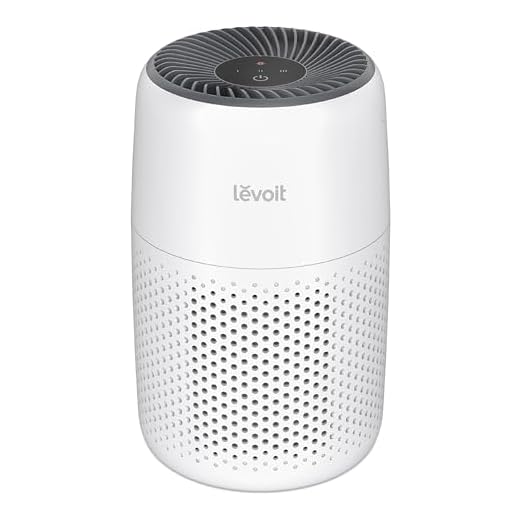

Air Purifiers and Pollen Control
The presence of seasonal pollen can significantly affect individuals’ comfort indoors. Many people experience allergies, leading to sneezing, congestion, and other symptoms. Air purifiers can play a vital role in improving indoor air quality. By filtering out pollen particles, these devices help create a more breathable environment during times when pollen counts are high.
Choosing the right air purifier is essential for effective pollen control. Units equipped with high-efficiency particulate air (HEPA) filters are particularly effective at capturing small pollen particles. Additionally, ensuring that the purifier is correctly sized for the room can maximize its efficiency. Frequent maintenance and timely filter replacements will also contribute to better performance and cleaner air in your home.
Can Air Purifiers Reduce Seasonal Pollen in Indoor Spaces?
Air purifiers can significantly improve indoor air quality, especially during peak pollen seasons. They work by trapping airborne pollen particles that enter the home, providing relief to individuals sensitive to these allergens. When strategically placed in common areas, these devices can help maintain a cleaner atmosphere as they continuously filter out contaminants from the air.
Using a high-efficiency particulate air (HEPA) filter is essential for achieving optimal results. HEPA filters can capture at least 99.97% of particles that are 0.3 microns in size, including pollen grains. Regular maintenance and timely filter replacements also enhance the performance of air purifiers, ensuring they remain effective in combating seasonal pollen and promoting a healthier environment indoors.

Key Features to Look for in Air Purifiers
When selecting an air purifier, several key features can enhance its effectiveness in removing allergens from the air. Look for models equipped with HEPA filters, as they are designed to capture particles as small as 0.3 microns, including dust mites, pollen, and pet dander. Additionally, consider the Clean Air Delivery Rate (CADR), which measures how quickly the purifier can filter air. A higher CADR rating indicates better performance in larger spaces, ensuring that your environment remains clean and healthy.
Another important aspect to evaluate is the air purifier’s noise level, especially if it will be used in bedrooms or quiet areas. Many modern units offer quiet or sleep modes that minimize sound while maintaining efficiency. Energy efficiency is also worth considering. Choose models certified by Energy Star to reduce electricity consumption without sacrificing performance. This combination of features ensures a well-rounded solution for improving indoor air quality.
HEPA Filters and Their Importance in Dust and Pollen Removal
High efficiency particulate air (HEPA) filters are key components in many air purifiers, known for their capacity to capture small particles that other filters might miss. These filters can trap up to 99.97% of particles as small as 0.3 microns, which includes dust mite debris and pollen. The fine weave of a HEPA filter creates a dense yet lightweight barrier that effectively removes allergens from the air, providing a significant improvement in indoor air quality.
Utilizing air purifiers equipped with HEPA filters helps create a healthier living environment, especially for those sensitive to allergens. When air passes through the filter, pollutants are trapped, preventing them from re-entering the room. Regular maintenance, such as timely replacements of HEPA filters, maximizes their efficiency and prolongs the lifespan of the air purifier, ensuring a consistent reduction in airborne irritants.
Integrating Air Purifiers into Home Environments
Selecting the right location for an air purifier can significantly enhance its effectiveness. Ideally, place it in areas where dust and pollen accumulation is likely, such as bedrooms and living rooms. Ensure the purifier is not obstructed by furniture or walls, which can hinder airflow. Keeping windows and doors closed while the purifier operates will also improve its performance.
Regular maintenance is key to optimal performance. Replace filters according to the manufacturer’s recommendations to maintain air quality. Additionally, consider running the unit continuously, especially during peak pollen seasons or high-dust periods, to ensure clean air circulation. Incorporating these practices can maximize the impact of air purifiers in creating a healthier indoor environment.
Best Practices for Using Air Purifiers Effectively
Maintaining optimal performance from air purifiers requires strategic placement throughout a home. Positioning them in rooms where people spend the most time enhances their effectiveness. These devices should be placed near sources of pollution, such as windows or doors, to capture incoming allergens promptly. Regularly moving the unit can also ensure efficient air circulation and filtration.
Replacing filters according to the manufacturer’s recommendations is crucial to the longevity and performance of air purifiers. Neglecting this step can lead to reduced efficiency, allowing allergens to circulate rather than be removed. Regularly cleaning the unit’s exterior and checking for any blockages will further enhance its functionality. Observing these best practices maximizes the benefits of air purifiers in maintaining a healthy indoor environment.
FAQS
Do air purifiers effectively reduce dust mites in the home?
Yes, air purifiers equipped with HEPA filters can significantly reduce dust mites by capturing their allergens and particulate matter from the air, helping improve indoor air quality.
How do air purifiers help with seasonal pollen?
Air purifiers can help reduce seasonal pollen by filtering out airborne pollen particles, preventing them from circulating in your indoor environment, which can alleviate allergy symptoms.
What type of air purifier is best for dust and pollen removal?
An air purifier with a true HEPA filter is the best choice for dust and pollen removal, as it can capture particles as small as 0.3 microns, including dust mite debris and pollen.
How often should I run my air purifier to effectively control dust mites and pollen?
For optimal results, it is recommended to run your air purifier continuously, especially during peak pollen seasons or in heavily dust-prone areas.
Can using an air purifier replace other allergy management strategies?
While air purifiers are a valuable tool for managing allergies, they should be used in conjunction with other strategies such as regular cleaning, vacuuming with a HEPA filter, and maintaining low humidity levels for best results.

