
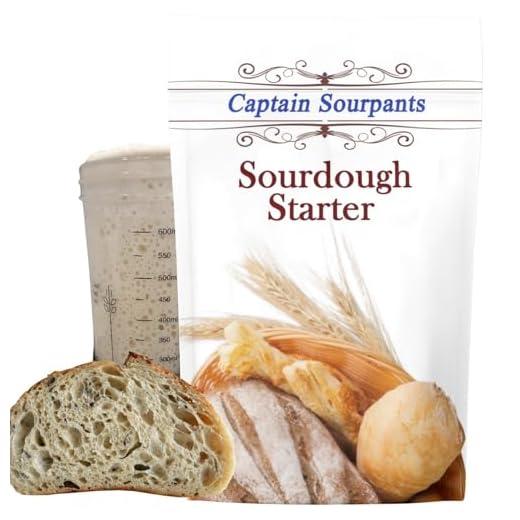

Adjusting Starter Hydration Levels
Maintaining the right hydration level in your sourdough starter is essential for achieving the desired flavor and texture in your bread. The most common hydration levels range from 50% to 100%, where the percentage indicates the ratio of water to flour. A stiffer starter, with lower hydration, tends to produce a denser crumb, while a more liquid starter can yield a lighter and airier loaf. Adjusting the water content can help fine-tune the starter to match specific recipes or personal preferences.
Regularly monitoring and adjusting the hydration of your starter allows for better control over the fermentation process. When you notice changes in the starter’s activity or when switching to a bread-maker cycle, consider varying the hydration level according to your needs. If you’re aiming for a dough that’s easy to handle, a slightly drier starter might be appropriate, whereas wetter doughs can enhance flavor complexity and improve oven spring. Understanding the characteristics of your starter and how hydration affects its behavior is crucial in this process.
The Impact of Water Ratios on Bread Texture
Water ratios play a significant role in determining the final texture of sourdough bread. A higher hydration level can lead to a more open crumb structure, allowing for larger air pockets to form during fermentation. This results in a lighter, more airy loaf that has a chewy texture. Conversely, lower hydration levels yield denser bread with a tighter crumb, which may not rise as dramatically during baking.
Adjusting water ratios can also influence the crust’s characteristics. Dough with higher hydration often produces a crispier crust due to the steam created during baking. Meanwhile, a stiffer dough might generate a thicker crust, which can be enjoyed for its hearty, rustic appeal. Understanding these relationships enables bakers to tailor their breads to achieve specific textures and crust qualities, enhancing the overall baking experience.
Transitioning to Bread-Maker Cycles
When moving towards using a bread maker, it is essential to adapt your sourdough starter for the unique conditions of automated baking. Bread machines often follow a specific cycle where temperature, mixing time, and fermentation periods are predetermined. Adjusting your starter’s hydration level and feeding schedule prior to using the machine can enhance its performance and lead to better bread results.
Consider the timing of your starter feed to align with the bread maker’s cycle. Feeding your starter a few hours before the machine begins its work allows the yeast to become active and robust. This proactive approach ensures that the starter performs optimally during the mixing and kneading phases. Additionally, monitoring how your bread maker handles fermentation stages can help you fine-tune the process for consistently excellent loaves.
Preparing Your Starter for Automated Baking
A reliable sourdough starter is essential when transitioning to a bread maker. Ensure the starter is lively and at peak activity. This includes feeding it a few hours before planning to bake. Maintain consistency in feeding schedules to create a stable base for the machine to work with. An active starter promotes better fermentation and enhances the bread’s flavor.
Before placing the starter into the bread maker, consider its hydration level. A thicker starter may require adjustments to the liquid ingredients in the recipe. Conversely, a more liquid starter might allow for a bit less water. Both adjustments help achieve the ideal dough consistency for the automated baking process, ensuring the machine can handle the mixture effectively.
The Role of Temperature in Starter Maintenance
Temperature plays a crucial role in the lifecycle of a sourdough starter. Ideal fermentation occurs within a specific temperature range, typically between 70°F and 80°F. Within this window, yeast and bacteria maintain optimal activity, leading to a robust and lively starter. Too low temperatures can slow down fermentation and yeast growth, making the starter sluggish. Conversely, elevated temperatures can accelerate fermentation but may produce a less flavorful bread due to the dominance of certain bacterial strains that thrive in heat.
Maintaining consistent temperatures is essential for sustainable starter health. Fluctuations can lead to inconsistent rise and flavor in baked goods. If a starter is exposed to cool drafts or extreme heat, its microbiome can be disrupted, creating imbalances that affect both the dough and the final loaf. Careful monitoring of ambient conditions, alongside the use of tools like proofing boxes or warm water baths, can help bakers maintain an ideal environment for their starter. This attention to temperature ensures that each feeding cycle contributes positively to the development of a vibrant, flavorful culture.
Optimal Temperature Ranges for Fermentation
Fermentation thrives within specific temperature ranges that significantly influence the development of flavor and texture in sourdough. Generally, a temperature between 75°F and 85°F (24°C to 29°C) is considered optimal for most home bakers. Within this range, yeast activity increases, leading to effective gluten development and enhanced flavor complexity. When the temperature dips below this range, fermentation slows down, causing a longer rise time and often resulting in a less flavorful bread. Conversely, excessively high temperatures can lead to overly rapid fermentation, potentially resulting in off-flavors and diminished texture.
Monitoring ambient conditions becomes crucial for maintaining the ideal environment for your starter. Seasonal changes may require adjustments in the location of your starter to ensure it remains within the desired temperature range. Tools like thermometers can help track temperatures accurately. Additionally, creating a microenvironment by using a proofing box or an oven with the light on can provide consistent warmth during fermentation. Keeping an eye on both the starter’s development and the temperature will set the foundation for successful sourdough bread-making.
FAQS
How often should I feed my sourdough starter when using a bread maker?
You should ideally feed your sourdough starter once every 12 to 24 hours, depending on the temperature and your baking schedule. If you’re preparing for a baking cycle, ensure it’s well-fed and bubbly prior to use.
What is the best hydration level for sourdough starter in bread maker recipes?
A hydration level of around 100% (equal parts flour and water by weight) is commonly used for sourdough starters. However, you can adjust the hydration based on the specific bread recipe you are using or the desired texture.
Can I use cold water for my sourdough starter maintenance?
Yes, but using room temperature or slightly warm water is generally recommended to encourage fermentation. Cold water can slow down the activity of the yeast and bacteria in your starter.
How do I prepare my sourdough starter for a bread maker?
To prepare your starter for a bread maker, ensure it is active and bubbly by feeding it about 4 to 12 hours before use. You may also want to adjust the hydration level based on the recipe requirements.
What temperature should I keep my sourdough starter at for optimal fermentation?
The ideal temperature for sourdough fermentation ranges from 75°F to 85°F (24°C to 29°C). Keeping your starter within this range will help promote yeast activity and improve the overall health of your starter.