



Shaping Your Loaf for Success
The first step in achieving a successful whole-grain loaf involves proper shaping techniques. Start by ensuring your dough is adequately kneaded to develop gluten strength. This step contributes to the loaf’s ability to hold its shape and rise evenly during baking. Once your dough has risen and is ready to shape, utilize your hands to form it gently into a round or oblong shape, depending on your desired loaf style. A light touch is essential to avoid degassing the dough excessively, which can lead to a denser final product.
Achieving the right tension on the surface of the dough can significantly impact the final outcome. As you shape the loaf, gradually stretch and fold the edges toward the center, creating surface tension. This method helps create a well-structured loaf that can maintain its form while baking. Using flour sparingly on your work surface will keep the dough manageable while ensuring it doesn’t stick. Pay close attention to how you position your loaf in the baking vessel. A well-shaped loaf will not only rise effectively but can also lead to a more consistent texture and appearance after baking.
Techniques to Avoid Air Pockets
Achieving a smooth, well-structured whole-grain loaf requires careful attention during the mixing and kneading processes. Start by ensuring that your dough is adequately hydrated. Whole grain flour absorbs more moisture than white flour, so incorporating enough liquid can prevent inconsistencies that lead to air pockets. Consider using a combination of hand kneading and machine mixing to fully develop gluten. This blending ensures thorough incorporation of ingredients, promoting a uniform rise.
Proper shaping techniques also play a vital role. Once the dough has risen, be gentle yet deliberate when degassing it. This step reduces the larger air pockets that can form during proofing. After dividing the dough, shape each piece into a tight ball and gently stretch the surface to create tension. This technique encourages an even crumb structure, essential for maintaining the integrity of your loaf. By implementing these strategies, you minimize the risk of encountering undesirable air gaps in your finished bread.
Baking Temperature and Its Effects
The baking temperature significantly influences the final texture and structure of whole-grain loaves. A higher temperature can lead to a rapid rise, creating a beautiful crust while helping to set the loaf’s shape. However, if the temperature is too intense, the crust may form too quickly, preventing proper expansion and risking a dense interior. Careful adjustment of the heat can help achieve the ideal balance between an appealing crust and a well-aerated crumb.
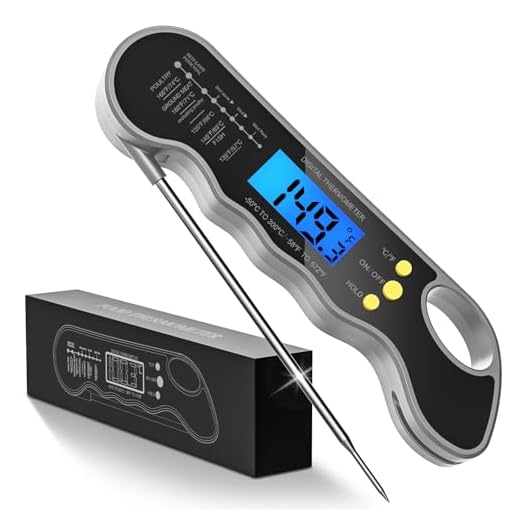
Contrarily, lower baking temperatures may allow for more thorough cooking of the interior. This method can enhance moisture retention, enabling a soft and tender crumb. Yet, slashing the dough at the right moment becomes crucial to prevent the loaf from turning into a flatbread. Monitoring the internal temperature with a thermometer can guide bakers in determining when the bread is fully baked, ensuring a delightful end product that holds its shape and freshness.
Finding the Ideal Oven Settings
The right temperature is crucial for achieving a well-baked whole-grain loaf. Typically, whole-grain bread benefits from baking at a higher temperature, around 375 to 450 degrees Fahrenheit. This range helps create a crisp crust while allowing the interior to rise correctly. However, every oven behaves differently, so it’s essential to monitor the bread closely. Utilizing an oven thermometer can help you ensure that the temperature inside matches your settings, preventing potential miscalculations.
Timing also plays a significant role in the baking process. A loaf that is baked for too long may dry out, while one that is undercooked can result in a dense texture. To find the ideal balance, starting with the recommended baking time and checking for doneness regularly is vital. A loaf is typically done when it reaches an internal temperature of about 190 to 210 degrees Fahrenheit. By understanding these elements, you can fine-tune your oven settings to achieve the perfect whole-grain bread.
Tips for Storing Whole-Grain Loaves
To maintain the quality of whole-grain bread, proper storage techniques are essential. After cooling completely, wrap the loaves in a clean kitchen towel or place them in a paper bag. This method allows for some airflow while preventing the bread from drying out. Avoid using plastic bags initially, as they can trap moisture and promote mold growth.
For longer-term storage, consider slicing the bread and placing it in a freezer-safe bag. This prevents the entire loaf from being exposed to the air every time you want a slice. When ready to use, simply take out the desired number of slices and let them thaw at room temperature. Reheating in a toaster or oven can help restore some of the original texture and warmth.
Keeping Your Bread Fresh and Intact
To maintain the freshness and integrity of whole-grain loaves, proper storage techniques are essential. After cooling, wrap the bread in a clean kitchen towel or parchment paper. This allows for some moisture to escape, preventing the crust from becoming too soggy. For longer storage, place the loaves in a paper bag or an airtight container. This protects the bread while also allowing it to breathe, reducing the risk of mold.
Freezing is an excellent option for preserving whole-grain loaves. Slice the bread before freezing to allow for easy access to individual pieces. Use plastic wrap or a freezer-safe bag to protect against freezer burn. When ready to enjoy, bread can be toasted directly from the freezer or left to thaw at room temperature. These steps ensure that your bread remains fresh and intact, ready for any meal or snack.
FAQS
What makes whole-grain loaves different from white bread?
Whole-grain loaves use the entire grain kernel, which includes the bran, germ, and endosperm, providing more nutrients, fiber, and a denser texture compared to white bread, which is made from refined flour.
How can I shape my whole-grain loaf to avoid collapsing?
To shape your whole-grain loaf effectively, ensure you develop a strong gluten structure by kneading thoroughly. Use a gentle touch when shaping and avoid over-proofing, which can lead to a collapsed loaf.
What are some techniques to avoid air pockets in my bread?
Techniques to avoid air pockets include kneading the dough adequately, using proper shaping techniques, and ensuring that you degas the dough gently before shaping it into loaves to achieve a consistent crumb structure.
What baking temperature is best for whole-grain loaves?
Typically, a baking temperature of 375°F to 425°F (190°C to 220°C) works well for whole-grain loaves, but it’s essential to adjust based on your specific recipe and oven type.
How should I store my whole-grain loaves to keep them fresh?
To keep your whole-grain loaves fresh, store them in a cool, dry place in a breadbox or wrapped in a cloth. If you need to keep them for an extended period, consider freezing them in airtight packaging to prevent staleness.