


Safe Storage Practices
Proper storage of your equipment plays a crucial role in maintaining its longevity and performance. Ensure that items are stored in a cool, dry place, away from direct sunlight. Moisture can lead to corrosion and damage, while heat can warp materials. Using protective covers or cases can also help shield against dust and accidental scratches.
Organizing your storage area effectively can prevent potential accidents and make retrieving items easier. Group similar items together and label containers for quick access. Avoid stacking heavy objects on top of lighter ones to prevent crushing or bending. Regularly checking your stored equipment for signs of wear can help catch issues early on, ensuring that everything remains in good condition when it’s time to use them again.
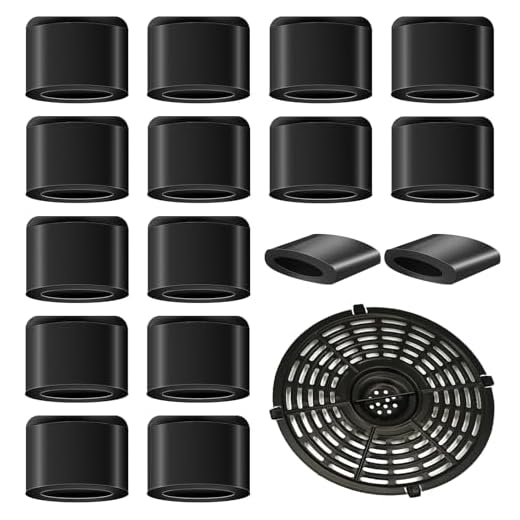
Preventing Damage During Off-Season
Proper storage of equipment during the off-season can significantly extend its lifespan. Keeping paddles and pans in a climate-controlled environment helps prevent warping and deterioration caused by humidity and temperature fluctuations. Make sure to clean and dry each item thoroughly before storing. Stow paddles upright or in a designated holder to prevent bending. For pans, stacking them with protective padding can minimize scratches and damage to non-stick surfaces.
Regular inspections during the off-season are essential for catching potential issues early. Check for signs of rust or corrosion on metal components. Examine paddle materials for any signs of wear or structural integrity concerns. Addressing superficial issues promptly can save time and resources in the long run. Ensure that all parts are properly disassembled where necessary to facilitate a thorough inspection and maintain their condition.
Deep Cleaning Techniques
Regular deep cleaning is essential for maintaining equipment performance and longevity. Start by dismantling items like paddles and pans to access hard-to-reach areas. Using warm, soapy water with a non-abrasive sponge is ideal for cleaning surfaces. For more stubborn stains or residues, consider a mixture of vinegar and baking soda, which can break down tough grime without damaging materials. Rinse thoroughly to remove any cleaning agents and prevent chemical build-up.
After cleaning, it’s vital to ensure that all components are completely dry before reassembling. Moisture can lead to mold and corrosion, which can compromise the integrity of the equipment. Store items in a controlled environment away from direct sunlight and extreme temperatures. Regular inspections during storage can help catch any issues early, ensuring that everything remains in optimal condition for future use.
When to Schedule a Thorough Clean
Regular maintenance plays a crucial role in extending the life and performance of your equipment. It is advisable to schedule a thorough clean at the beginning and end of each season. This establishes a routine that allows you to address accumulated grime, residue, and potential issues before they hinder functionality. For items frequently used in environments with high humidity or food residue, a more frequent deep cleaning may be necessary.
Monitoring the condition of your gear is essential. If noticeable stains, smells, or buildup appear, it’s best to respond promptly. Waiting too long can exacerbate the problem, making deep cleaning more challenging. Additionally, any signs of rust or corrosion indicate that immediate attention is required. Prioritizing cleanliness not only enhances performance but also ensures safety for all users.
Troubleshooting Common Issues
Regularly inspecting equipment can help detect issues before they worsen. Look for signs of wear, such as rust on paddles or cracks in pans. Listening for unusual sounds during operation might also indicate underlying problems. Addressing minor issues, like tightened screws or lubricated moving parts, can significantly extend the lifespan of your gear.
Keeping a detailed log of any recurring problems can aid in identifying patterns. If certain components consistently require maintenance or repair, it may be time to consider replacements. Additionally, consulting manufacturer guidelines can provide specific troubleshooting steps tailored to various issues. A proactive approach ensures optimal performance throughout the usage season.
Identifying Problems Before They Escalate
Regular inspections of equipment can help detect issues before they become serious. Look for signs such as cracks, rust, or unusual wear on paddles and pans. Checking for loose parts or missing screws can also prevent minor problems from evolving into costly repairs. Establishing a routine visual check can save time and keep your equipment in good working condition.
Listening and observing during operations play a crucial role in identifying potential issues. Unusual sounds or vibrations from machinery might signal mechanical problems that need attention. Additionally, paying attention to performance inconsistencies ensures that any underlying issues are addressed promptly. Keeping a maintenance log of these observations can provide valuable insight into the health of your equipment over time.
FAQS
How often should I clean my paddles, pans, and parts?
It is recommended to clean your paddles and pans after each use to prevent buildup of residue. Additionally, a thorough deep clean should be scheduled at least once a season or after intensive use.
What are the best storage practices for my cleaning equipment?
Store your cleaning equipment in a cool, dry place away from direct sunlight. Ensure that items are securely stored to prevent damage and keep them organized for easy access.
How can I identify issues with my equipment before they become serious problems?
Regularly inspect your equipment for signs of wear, such as cracks or rust. Pay attention to any unusual sounds or performance issues during use, as these can be indicators of underlying problems.
What are some deep cleaning techniques for my paddles and pans?
Use warm, soapy water for general cleaning, followed by a rinse with clean water. For stubborn stains, a mixture of vinegar and baking soda can be effective. Ensure all parts are dried thoroughly to prevent moisture-related issues.
When is the best time to schedule a thorough clean of my equipment?
A thorough clean should be scheduled at the end of the season or when you notice significant buildup of grime and debris. It’s also a good idea to perform a deep clean after any major events or heavy usage.