
Bread Sticking to the Pan
One of the most frustrating issues when using a bread machine is when the loaf becomes stuck to the pan. This can result in an unsightly mess and wasted ingredients. Several factors contribute to this problem, including insufficient oiling, using the wrong type of pan, or even improper cooling techniques after baking. To prevent your bread from adhering to the pan, it’s crucial to ensure that you are greasing the interior properly before adding the dough. A light coating of oil or cooking spray can create a barrier that helps the loaf release effortlessly.
Another important aspect to consider is the choice of ingredients. Flour hydration can affect the dough consistency, making it more prone to sticking. If the mixture is too wet, it may cling to the sides of the pan during the baking process. Ensuring that you follow the recipe accurately, measuring ingredients precisely, and adjusting for humidity can improve the bread’s chances of sliding out smoothly. Additionally, allowing the bread to cool for a few minutes before attempting to remove it can further assist in avoiding any sticking issues.
Best Practices for Pan Preparation
Properly preparing the bread pan is crucial for ensuring a smooth baking process and easy removal of the finished loaf. Begin by cleaning the pan thoroughly before each use. Residue from previous bakes can stick to the bottom, making it difficult for the loaf to release. Coat the inside of the pan with a thin layer of oil or cooking spray to create a non-stick surface. Pay attention to the corners and bottom area, as these spots are prone to sticking.
Choosing the right type of pan is also important. Some machines come with non-stick pans, but these can wear out over time. Consider using parchment paper for extra protection against sticking. Cut a piece to fit the bottom of the pan, allowing it to extend slightly over the edges. This can help ensure that the bread lifts out easily once it’s baked. Following these simple guidelines can make a significant difference in the quality of your bread-making experience.
Mixing Problems
Mixing problems can significantly impact the quality of the bread produced. If ingredients are not mixed thoroughly, it may result in uneven texture or underdeveloped dough. Observing the mixing process is crucial. Pay attention to whether the dough is forming a cohesive ball and whether all ingredients are properly incorporated. If not, it might indicate issues with either the ingredient proportions or the machine itself.
Another potential cause of mixing issues lies in the order of ingredient addition. Typically, liquids should be added first, followed by dry ingredients. Yeast, whether active dry or instant, should not come into direct contact with salt until the mixing begins, as this can hinder its ability to rise. Additionally, do not skip the suggested resting times, as allowing the dough to rest can help gluten develop, leading to a better structure in the finished product.
Troubleshooting Mixing Issues
When bread dough fails to mix properly, several factors could contribute to the issue. First, ensure that the ingredients are measured accurately. Flour should be spooned into the measuring cup and leveled off. An improper balance of wet and dry ingredients can lead to mixing problems. Additionally, familiarizing yourself with your bread machine’s settings is vital. Different machines may require specific adjustments for successful mixing.
Humidity and temperature in your kitchen can also impact the mixing process. High humidity may alter the consistency of the flour, while cold temperatures can cause yeast to perform poorly. If dough appears too dry, adding small amounts of water can help achieve a better consistency. Conversely, if it’s too wet, incorporating a little extra flour may resolve the issue. Adjusting the mix based on environmental conditions can significantly improve the outcome.
Unpleasant Odors During Baking
Unpleasant odors can sometimes waft from a bread machine during baking, which may raise concerns about the quality of the ingredients or the machine itself. Common causes include the use of old or expired ingredients, such as flour or yeast. Additionally, any remnants of previous baking sessions, such as burnt bits of dough left in the machine, can contribute to lingering smells, affecting the overall aroma of the bread being baked.
To address these issues, start by ensuring that all ingredients are fresh and stored correctly. Cleaning the bread machine regularly is essential to prevent odors from developing. A thorough wipe-down of the pan, kneading blade, and interior with warm soapy water often eliminates trapped smells. If necessary, a mixture of vinegar and water can help neutralize odors, providing a fresher baking experience.
Cleaning and Maintenance Tips
Regular cleaning of your bread machine is essential for both performance and longevity. After each use, make it a habit to wipe down the interior and exterior surfaces with a damp cloth. Pay special attention to the areas around the mixing paddles and the pan, where crumbs and residues tend to accumulate. For stubborn stains, a mixture of warm water and mild soap can be effective. Ensure all parts are thoroughly dried before reassembling to prevent mold growth or unpleasant odors.
In addition to cleaning, periodic maintenance is necessary to keep your bread machine functioning optimally. Check the power cord for any signs of wear or damage. Inspect the mixing paddles for any buildup that could impede their movement. It is also wise to periodically check for any loose screws or connections inside the machine. Following the manufacturer’s instructions for parts replacement will also help extend its lifespan and maintain the quality of your bread.
FAQS
What should I do if my bread is sticking to the pan?
Ensure that you are properly greasing the pan before adding the dough. Consider using non-stick spray or oil, and follow best practices for pan preparation to minimize sticking.
How can I troubleshoot mixing problems with my bread machine?
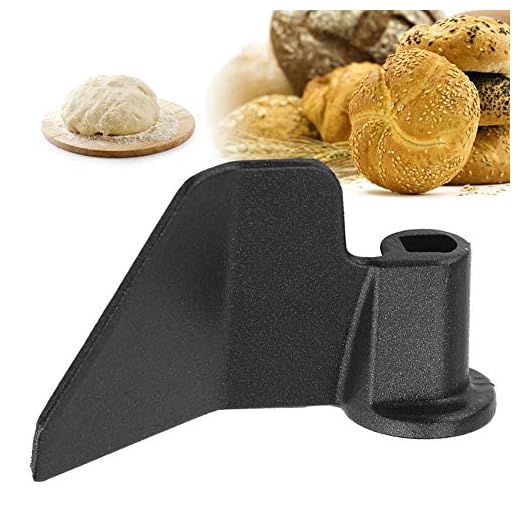
Check the ingredients for proper measurements, ensure the kneading blade is correctly fitted, and verify that the machine is functioning correctly. If problems persist, consult the user manual for specific troubleshooting steps.
What causes unpleasant odors during the baking process in my bread machine?
Unpleasant odors can result from old ingredients, a dirty machine, or burnt residues. Regular cleaning and maintenance of the bread machine, along with using fresh ingredients, can help eliminate these issues.
How often should I clean my bread machine to prevent odors?
It is recommended to clean your bread machine after each use to prevent the buildup of residues and odors. Pay special attention to the pan, kneading blade, and any removable parts.
Are there any common ingredients that can cause mixing problems in a bread machine?
Yes, using self-rising flour, expired yeast, or incorrectly measured ingredients can lead to mixing issues. Always use fresh, appropriate ingredients and measure them accurately for the best results.