
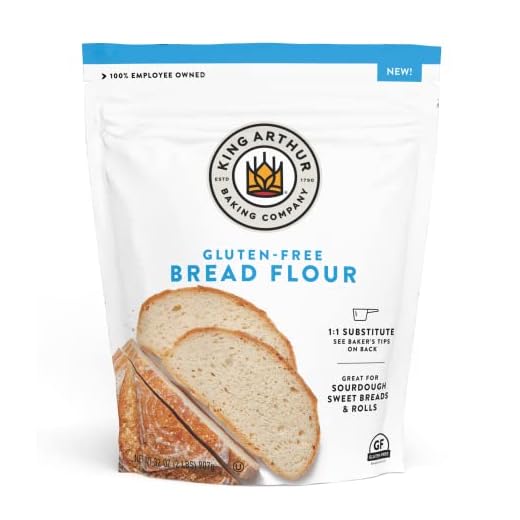


Sweet Gluten-Free Bread Options
Creating sweet gluten-free bread often involves a careful selection of flour blends. Many recipes utilize a combination of almond flour, coconut flour, and tapioca starch to provide a moist texture and rich flavor. Incorporating natural sweeteners like honey, maple syrup, or agave syrup can enhance the taste while keeping the recipe gluten-free. The addition of eggs or egg substitutes also helps improve the structure and rise of the bread, ensuring a delightful end product.
Flavor variations can elevate the overall experience of the bread. Adding ingredients like cinnamon, vanilla extract, or cocoa powder introduces pleasant notes that complement the sweetness. Incorporating fruits such as mashed bananas or applesauce can contribute moisture and natural sweetness, giving the bread a unique twist. Nuts and seeds provide extra crunch and nutrition, making each slice a treat worth savoring.
Delicious Add-Ins for a Sweet Treat
Incorporating add-ins can elevate the flavor and texture of gluten-free bread, making it truly enjoyable. Dried fruits such as cranberries, raisins, or apricots add natural sweetness and chewiness. For a different twist, consider including chocolate chips or cocoa powder for a decadent treat. Nuts such as walnuts or pecans provide a satisfying crunch, while spices like cinnamon or nutmeg infuse warmth and depth.
Another option is experimenting with various extracts. Vanilla or almond extract can enhance the overall flavor profile. Shredded coconut is also a delightful addition, offering a tropical touch. When adding these extras, be mindful of the moisture content of the ingredients. Balancing the wet and dry components ensures that the bread retains its structure and rises beautifully.
Troubleshooting Common Issues
Baking gluten-free bread often comes with its own set of challenges. One of the most common issues is bread that fails to rise adequately. This can result from various factors, including the quality of flour used or inaccurate measurements of ingredients. Additionally, expired yeast can severely impact the leavening process. Always check the expiration date on your yeast and consider using a scale for accurate measuring to ensure the best results.
Another frequent problem is bread that has a dense or gummy texture. This can occur if there is too much moisture in the dough or not enough binding agents. Adding ingredients like xanthan gum or psyllium husk can help improve the structure and texture of gluten-free bread. Adjusting the liquid content carefully can also enhance the final product. Keeping an eye on these details can make a significant difference in the quality of your bread.
Solutions for Bread That Doesn’t Rise
A common reason gluten-free bread may not rise is the absence of sufficient binding agents. Using xanthan gum or psyllium husk can help mimic the elasticity found in traditional wheat bread. Ensure that you measure these ingredients accurately, as too little can prevent the dough from holding its structure and rising properly. Additionally, checking the freshness of your yeast is essential; expired yeast may not be active enough to create the necessary uplift in your bread.
Temperature also plays a pivotal role in the rising process. If your kitchen is too cold, the yeast may become sluggish and fail to activate. Providing a warm environment, such as placing the dough in a slightly heated oven or covering it with a warm damp cloth, can encourage proper fermentation. Allowing the dough ample time to rise is vital; gluten-free bread often needs longer to achieve the desired volume compared to traditional varieties.
Storing and Freezing Gluten-Free Bread
When it comes to keeping gluten-free bread fresh, proper storage is essential. Ideally, freshly baked gluten-free bread should be allowed to cool completely before being stored. Once cooled, you can wrap it tightly in plastic wrap or store it in an airtight container to prevent it from drying out. For short-term storage, keeping it at room temperature is suitable, but if you plan on enjoying the bread later, consider freezing it.
Freezing is an excellent option for extending the shelf life of gluten-free bread. Slice the loaf before freezing to make portion control easier when thawing. Place the slices in a freezer-safe bag, removing as much air as possible to prevent freezer burn. Bread can usually be frozen for up to three months without losing significant quality. When you’re ready to enjoy it, simply take out the desired number of slices and let them thaw at room temperature or toast them directly from the freezer for a quick treat.
Best Practices for Keeping Bread Fresh
To maintain the freshness of gluten-free bread, proper storage is essential. Once the bread has cooled completely, wrap it tightly in plastic wrap or aluminum foil. This prevents air exposure, which can lead to staleness. Storing the bread in an airtight container can further enhance its longevity. Additionally, placing a slice of apple or a humidifying packet inside the container can help retain moisture, keeping the bread soft for a longer period.
For extended shelf life, freezing gluten-free bread is a practical solution. Slicing the loaf before freezing allows for convenient portions to be reheated as needed. Place the slices in a resealable freezer bag, ensuring to remove as much air as possible before sealing. When ready to enjoy, the slices can be toasted directly from the freezer or left to thaw at room temperature. This method preserves the bread’s texture and flavor, making it a viable option for future meals.
FAQS
Can I use regular all-purpose flour in gluten-free bread recipes?
No, regular all-purpose flour contains gluten which is not suitable for gluten-free recipes. Instead, use gluten-free all-purpose flour blends designed for baking.
What are some good add-ins for sweet gluten-free bread?
Some popular add-ins include chocolate chips, dried fruits, nuts, and spices like cinnamon or nutmeg, which can enhance the flavor of sweet gluten-free bread.
Why is my gluten-free bread not rising properly?
Gluten-free bread may not rise due to several factors, including expired yeast, incorrect ingredient measurements, or not enough moisture. Always check these elements to troubleshoot rising issues.
How should I store gluten-free bread to keep it fresh?
Store gluten-free bread in an airtight container at room temperature for a few days. For longer storage, wrap it tightly in plastic wrap and freeze it to maintain freshness.
Can I use a bread machine for gluten-free bread recipes?
Yes, a bread machine can be used for gluten-free bread recipes, but it’s important to select a machine that has a gluten-free setting to ensure the best results.

