

Applications of MERV Filters
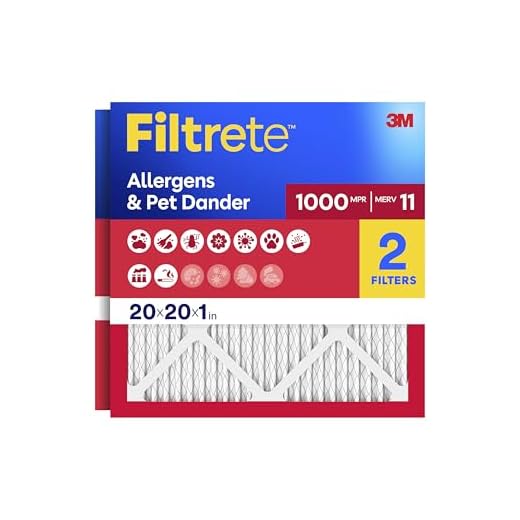
MERV filters are commonly utilized in various settings, making them versatile in their applications. These filters are often installed in residential heating, ventilation, and air conditioning (HVAC) systems, where they help capture a wide range of airborne particles. Their effectiveness can significantly improve indoor air quality, making them a preferred option for households concerned about allergens and pollutants. Additionally, MERV filters find usage in commercial buildings, schools, and healthcare facilities, where maintaining clean air is vital for health and productivity.
Organizations often choose MERV filters based on their specific filtration needs. For instance, in industrial settings, higher MERV ratings are beneficial for managing fine particles that can disrupt operations or affect product quality. Conversely, smaller residential systems may employ lower-rated MERV filters, balancing adequate filtration with airflow efficiency. The adaptability of these filters allows them to be tailored to various environments, ensuring they meet the unique demands of different spaces.
Where Are MERV Filters Most Commonly Used?
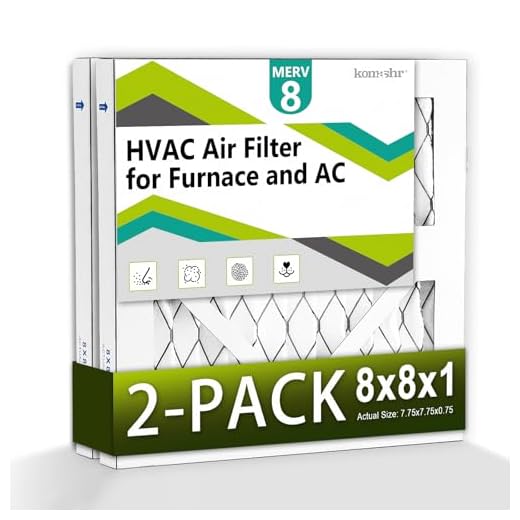
MERV filters find extensive use in both residential and commercial settings. They are commonly installed in HVAC systems to enhance air quality by capturing a range of particles, including dust, pollen, and pet dander. Many homeowners opt for MERV filters to help alleviate allergies, especially during peak pollen seasons. Commercial buildings also benefit from their deployment, ensuring cleaner air in offices, schools, and healthcare facilities.
In industrial environments, MERV filters play a crucial role in maintaining air cleanliness. They are often used in factories, warehouses, and manufacturing plants where dust and other particulates can affect both equipment and health. The versatility of MERV filters makes them suitable for a variety of applications, balancing efficiency and cost-effectiveness in air filtration.
Cost Considerations
When evaluating air filters, price can significantly influence the decision-making process for many consumers. HEPA filters typically come with a higher upfront cost due to their advanced filtration technology and efficiency standards. In contrast, MERV filters are generally more budget-friendly, offering effective air purification at a lower price point. This initial cost difference can make MERV filters an attractive option for those seeking quality without breaking the bank.
However, it’s essential to consider long-term expenses as well. Although HEPA filters may cost more initially, their higher efficiency can lead to savings in energy and maintenance over time. MERV filters may require frequent replacements, which can accumulate costs. Analyzing both short-term affordability and long-term value is crucial for making an informed choice between these two types of filters.
Comparing the Cost of HEPA and MERV Filters
HEPA filters typically come with a higher price tag than MERV filters. The advanced technology and stringent manufacturing processes involved in creating HEPA filters contribute to their cost. While they provide superior filtration, not all households or businesses may require this level of efficiency. For environments with less demanding air quality needs, MERV filters can offer a more cost-effective solution without sacrificing too much performance.
When considering long-term expenses, it’s essential to factor in the frequency of replacement. HEPA filters generally need to be replaced less often, which can offset their initial purchase price over time. In contrast, the lower upfront cost of MERV filters might lead to more frequent changes, potentially making them more expensive in the long run. Evaluating both immediate and ongoing expenses will help consumers make informed choices based on their specific air filtration needs.
Maintenance and Longevity
Both HEPA and MERV filters require regular maintenance for optimal performance. HEPA filters tend to have a longer lifespan, often lasting up to three years if used in the right conditions. Regular checks can help maintain their efficiency, and changing them at the recommended intervals ensures consistent air quality.
MERV filters, while effective, typically need to be replaced more frequently due to their structure. The lifespan can vary widely based on the specific rating and the environment in which they operate. Higher-rated MERV filters may accumulate debris quickly, necessitating more frequent changes to prevent airflow obstruction and maintain efficiency.
Which Filter Requires More Maintenance?
HEPA filters typically require less frequent changes compared to MERV filters. Their high efficiency in capturing small particles means they are often designed to last longer, which can translate to lower maintenance efforts. However, the actual lifespan can depend on various factors, including the specific environment in which they are used. For instance, a HEPA filter in a home with pets may need to be replaced more often due to increased hair and dander accumulation.
MERV filters, on the other hand, are available in a range of ratings, which directly impacts their maintenance needs. Lower-rated MERV filters might need to be changed more often as they can clog quickly with dust and debris. This frequent maintenance can add to overall costs and time, especially in settings with high levels of contaminants. Homeowners and business operators should consider their specific air quality conditions when determining the maintenance frequency for either type of filter.
FAQS
What is the main difference between HEPA and MERV filters?
The main difference lies in their efficiency ratings and applications; HEPA filters are designed to capture 99.97% of particles 0.3 microns in size, while MERV filters have varying efficiency ratings that can trap a range of particles but may not reach the same level of filtration as HEPA.
Which filter is better for residential use, HEPA or MERV?
It depends on your specific needs; HEPA filters are generally better for allergy sufferers or those with respiratory issues, while MERV filters can be suitable for general air quality improvement in homes without special requirements.
Are HEPA filters more expensive than MERV filters?
Yes, HEPA filters tend to be more expensive than MERV filters due to their higher filtration efficiency and the materials used in their construction.
How often should I replace my HEPA or MERV filter?
Generally, HEPA filters should be replaced every 6 to 12 months, while MERV filters can vary widely based on their rating and usage conditions, with some needing monthly checks and others lasting up to six months.
Which filter requires more maintenance, HEPA or MERV?
MERV filters may require more frequent maintenance as they can accumulate dust and debris quicker due to their varying efficiency ratings, while HEPA filters, although less frequent in replacement, can also require regular checks to ensure optimal air flow and efficiency.

