
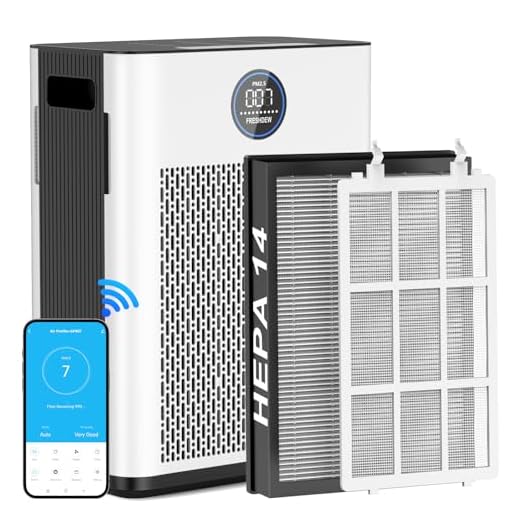


Energy Consumption and Costs
Energy consumption is a crucial factor to consider when selecting an air purifier. Choosing a model with lower wattage can greatly reduce electricity bills over time. Many modern purifiers offer energy-efficient designs that still deliver effective air cleaning capabilities. These devices often operate quietly while consuming minimal power, making them suitable for continuous use in various settings, such as homes or offices.
When evaluating costs, it’s essential to look beyond the initial purchase price. Long-term operational costs, including filter replacements, should play a significant role in decision-making. Filters may need replacement at regular intervals, impacting overall expenses. Some brands may offer higher-quality filters that last longer but come with a greater upfront cost, making it essential to balance initial investment with total lifetime costs.
Understanding Energy Efficiency Ratings
Energy efficiency ratings provide crucial insights into how much energy an air purifier consumes relative to its performance. These ratings often include metrics such as Energy Efficiency Ratio (EER) or the more commonly recognized Energy Star certification. An air purifier with a high EER typically indicates that it will deliver effective filtration while using less power. This can lead to lower electricity bills, contributing to long-term savings on operational costs.
When evaluating an air purifier, consider the wattage alongside the Clean Air Delivery Rate (CADR). While a purifier may offer exceptional filtration, it is essential to ensure that it operates efficiently. Understanding these ratings empowers consumers to make informed decisions, ultimately leading to the selection of an air purifier that balances both performance and energy savings.
Maintenance and Filter Replacement
Regular maintenance is essential to ensure that an air purifier operates effectively. This involves more than just cleaning the device itself; the filters play a critical role in capturing pollutants and must be monitored closely. Different air purifiers utilize various filter types, including HEPA, activated carbon, and pre-filters. Each type has its own specific maintenance requirements, varying in terms of lifespan and efficiency.
Knowing when to replace filters is crucial for maintaining air quality. Some purifiers have indicator lights to signal when a filter needs changing, while others might require manual checks. Generally, pre-filters can last several months, whereas HEPA and carbon filters might need replacing every six months to a year. Factors such as usage frequency and indoor air quality can affect this timeframe. Regularly inspecting and replacing filters not only enhances performance but also prolongs the life of the air purifier.
How Often Should You Change Filters?
Air purifiers rely heavily on their filters to effectively remove pollutants and allergens from the air. The frequency of filter changes can vary based on several factors, including the type of filter used, the level of pollution in the environment, and the frequency of air purifier operation. Generally, HEPA filters should be replaced every six to twelve months, while activated carbon filters may need changing every three to six months to maintain optimal performance.
It is also essential to monitor the filter’s condition regularly. Some models feature indicators that signal when a filter needs replacement, taking the guesswork out of maintenance. In addition to following manufacturer recommendations, assessing the air quality in your home can provide insight into whether filters need changing sooner due to higher levels of dust, pet dander, or other allergens present. Keeping an eye on these factors will ensure your air purifier continues to function effectively.
Certifications and Standards
When selecting an air purifier, it is essential to consider the certifications and standards established by reputable organizations. These certifications, such as the Association of Home Appliance Manufacturers (AHAM) verification, indicate that the unit has undergone rigorous testing. AHAM ratings provide insight into the effectiveness of the air purifier in removing pollutants, as well as its Clean Air Delivery Rate (CADR) for pollen, dust, and smoke.
Additionally, certifications like Energy Star signify that the air purifier meets efficiency guidelines set by the U.S. Environmental Protection Agency. Products with this label not only consume less energy but also perform effectively while reducing environmental impact. Investing in an air purifier that carries these recognized certifications ensures that consumers make informed choices, prioritizing both safety and performance in their air quality solutions.
Importance of Recognized Safety and Performance Certifications
Purchasing an air purifier involves ensuring it meets established safety and performance standards. Certifications from organizations such as the Association of Home Appliance Manufacturers (AHAM) or the Environmental Protection Agency (EPA) indicate that the appliance has undergone rigorous testing for efficiency and safety. These certifications provide consumers with confidence that the product will operate as promised, effectively reducing airborne contaminants.
Additionally, recognized certifications serve as a benchmark for comparing different models within the market. Certain certifications focus on specific aspects, like energy efficiency or reduction of harmful pollutants. Understanding these ratings can guide consumers toward making informed choices while emphasizing the importance of reliability in air purification technology.
FAQS
What factors should I consider when choosing an air purifier?
When selecting an air purifier, consider factors such as energy consumption and costs, maintenance needs, filter replacement frequency, and certifications that ensure safety and performance.
How can I determine the energy efficiency of an air purifier?
You can determine an air purifier’s energy efficiency by looking for its energy consumption ratings, often indicated in watts, and checking for certifications like ENERGY STAR, which signifies better energy performance.
How often do I need to replace the filters in an air purifier?
Filter replacement frequency varies depending on the type of filter, air quality, and usage. Typically, HEPA filters should be replaced every 6 to 12 months, but always refer to the manufacturer’s recommendations for specific guidance.
What certifications should I look for when purchasing an air purifier?
Look for recognized certifications such as AHAM (Association of Home Appliance Manufacturers), CADR (Clean Air Delivery Rate), and ENERGY STAR, as these indicate that the air purifier meets safety and performance standards.
Are air purifiers effective against all types of pollutants?
Air purifiers are effective against many common indoor pollutants, including dust, pollen, smoke, and pet dander. However, their effectiveness can vary based on the technology used, so consider your specific needs when selecting a model.

