

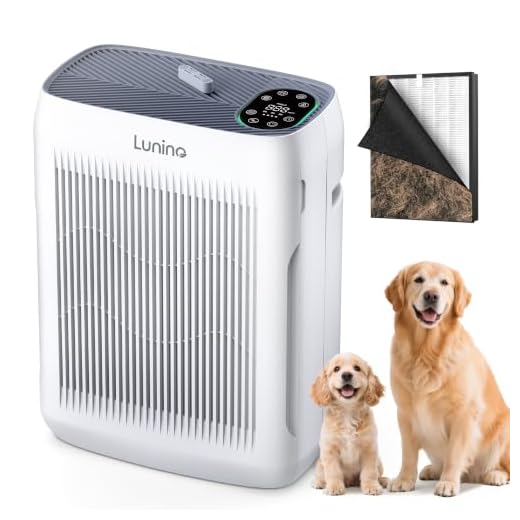


Choosing the Right Air Purifier
Selecting an air purifier tailored to pet allergies involves understanding key features that enhance effectiveness. Look for models equipped with HEPA filters, which are designed to capture tiny particles, including pet dander and allergens. Clean air delivery rate (CADR) is another essential aspect, as it indicates the purifier’s efficiency in circulating clean air within a specific space. Choosing the right size for the room helps maximize the purifier’s benefits, ensuring it can handle the air volume efficiently.
Beyond filtration, consider additional functionalities that might be beneficial. Some air purifiers come with activated carbon filters that can help eliminate odors from pets. Noise levels are also crucial, especially for pets sensitive to sound. Finally, checking for energy efficiency ratings can help in choosing a model that operates cost-effectively while maintaining performance over time.
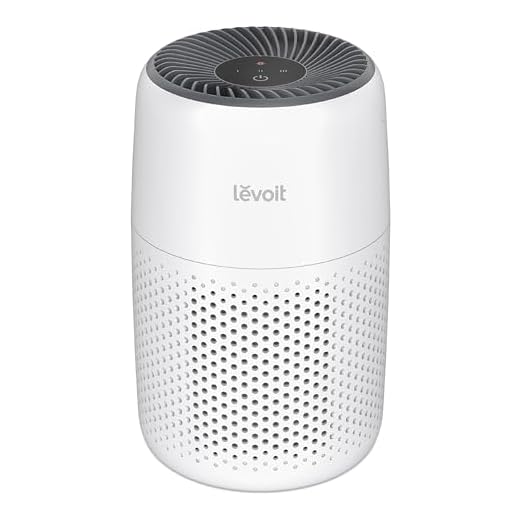
Factors to Consider When Selecting
When selecting an air purifier, the type of filter it uses is crucial. HEPA filters are highly recommended due to their ability to capture particles as small as 0.3 microns, which includes pet dander and other allergens. Users should also consider the Clean Air Delivery Rate (CADR), which indicates the volume of filtered air delivered by the device. A higher CADR rating suggests more effective purification.
The size of the room where the air purifier will be used plays an important role. Each purifier is designed for a specific area, so it is vital to choose one that matches the dimensions of the space. Additionally, noise levels can vary significantly between models. Opting for a quieter unit can enhance the overall experience, especially in bedrooms or other personal spaces. Lastly, energy efficiency ratings should be evaluated to ensure that long-term operating costs remain manageable.
Proper Maintenance of Air Purifiers
Air purifiers require regular maintenance to function effectively. It is crucial to routinely check and clean the pre-filters and HEPA filters according to the manufacturer’s recommendations. Neglecting this maintenance can lead to reduced efficiency, as dust and allergens accumulate in the filters over time. Keeping the air purifier in a clean environment also contributes to its performance.
In addition to filter care, monitoring the air quality indicator, if available, can help users determine when maintenance is necessary. Regularly dusting and vacuuming around the unit can further enhance air quality. Users should also ensure that the air purifier is placed in an optimal location, away from obstructions that may hinder airflow.
Cleaning and Replacing Filters
Regular maintenance of air purifiers is crucial for ensuring they operate at peak efficiency, especially when dealing with pet allergies. Filters capture pet dander, hair, and other allergens, but they can quickly become clogged. This buildup not only decreases the effectiveness of the device but can also lead to air quality deterioration. It is advisable to check the filters monthly, as this allows for timely replacements or cleaning, ultimately maximizing the purifier’s performance.
Most manufacturers provide guidelines regarding how often to clean or replace filters based on usage and the type of filter. HEPA filters, known for their efficiency in trapping small particles, may need less frequent replacement than pre-filters designed to catch larger debris. Always refer to the user manual for specific instructions. Establishing a routine for filter maintenance can significantly reduce allergies caused by pet dander and enhance overall air quality within your living space.
Complementary Measures for Allergy Relief
For individuals dealing with pet allergies, adopting a multi-faceted approach can enhance overall relief. Beyond air purifiers, regular cleaning of the living space is essential. Vacuuming with a model equipped with a HEPA filter effectively captures pet dander. Washing pet bedding and toys reduces allergen accumulation. Establishing pet-free zones, such as the bedroom, can create sanctuary spaces where allergic reactions may be minimized.
Incorporating humidity control can also be beneficial. Maintaining indoor humidity levels between 30% and 50% can help prevent dust mites and mold growth, which contribute to allergy symptoms. Using allergen-proof mattress and pillow covers adds an extra layer of protection. Additionally, considering hypoallergenic pet breeds may further reduce allergen exposure for sensitive individuals. These strategies, when combined with air purification, create a more manageable environment for those affected by pet-related allergies.
Additional Strategies Beyond Air Purifiers
Managing pet allergies often requires a multi-faceted approach. Regular grooming of pets can significantly reduce the amount of dander and fur that becomes airborne, minimizing allergic reactions over time. Bathe pets frequently with appropriate shampoos designed to reduce allergens. Additionally, keeping pets out of bedrooms or designated areas can create a more controlled environment, especially for allergy sufferers.
Cleaning routines play a crucial role in reducing pet allergens in the home. Vacuum carpets, upholstery, and floors using a vacuum equipped with a HEPA filter. Dust surfaces with a damp cloth to prevent allergens from becoming airborne. Washing linens, including pet beds, in hot water regularly helps eliminate accumulated dander. Consider using hypoallergenic bedding and furnishings to further limit exposure to allergens.
FAQS
Do air purifiers really help reduce pet allergies?
Yes, air purifiers can help reduce pet allergies by filtering out pet dander, hair, and other allergens from the air, which can alleviate symptoms for sensitive individuals.
What type of air purifier is best for pet allergies?
HEPA (High-Efficiency Particulate Air) purifiers are considered the best for pet allergies as they can capture small particles, including pet dander and other allergens.
How often should I replace the filters in my air purifier?
It is generally recommended to replace the filters in your air purifier every 3 to 6 months, but you should check the manufacturer’s instructions for specific guidelines.
Can I rely solely on an air purifier for pet allergy relief?
While air purifiers can significantly reduce allergens in the home, it’s best to combine them with other allergy management strategies, such as regular cleaning and grooming of pets.
Are there any additional strategies to manage pet allergies besides using an air purifier?
Yes, additional strategies include regular vacuuming with a HEPA filter, keeping pets out of certain rooms, bathing pets regularly, and using hypoallergenic bedding.
Related Links
Do Air Purifiers Help with Asthma and Other Breathing Issues?

