

Scientific Studies on Air Purifiers and Asthma
Numerous studies have investigated the impact of air purifiers on asthma symptoms and overall respiratory health. Research indicates that air purifiers equipped with HEPA filters can reduce airborne allergens such as pollen, dust mites, and pet dander. For individuals with asthma, eliminating these triggers has been shown to lead to fewer symptoms and improved lung function.
Some scholarly articles emphasize that air purifiers may provide significant relief, particularly in urban environments where pollution levels are high. A systematic review of randomized controlled trials highlighted that participants using air purifiers experienced fewer asthma attacks and reduced reliance on rescue medications. These findings suggest a positive correlation between air purifier usage and asthma management, emphasizing the potential benefits for those affected by respiratory conditions.
Key Findings from Recent Research
Recent studies indicate that air purifiers can significantly improve indoor air quality, which may lead to better respiratory health, especially for individuals with asthma. Research published in reputable journals has shown that the use of HEPA filters can effectively reduce airborne pollutants, including pet dander, pollen, and dust mites. These allergens are known triggers for asthma attacks and other respiratory issues. In some trials, participants reported fewer asthma symptoms and improved lung function after using air purifiers for an extended period.
Another study highlights the importance of air purifier placement and the size of the unit relative to the room it is meant to service. Properly situated air purifiers can capture a higher volume of pollutants, making them more effective. Results indicate that those who utilized air purifiers in conjunction with other asthma management strategies experienced greater overall improvements in their condition. These findings emphasize that while air purifiers can be beneficial, they should complement comprehensive asthma management plans rather than serve as standalone solutions.
Choosing the Right Air Purifier
Selecting an air purifier involves understanding your specific needs and the type of pollutants present in your environment. For individuals with asthma or other respiratory conditions, a purifier equipped with a High-Efficiency Particulate Air (HEPA) filter is often recommended. HEPA filters can capture 99.97% of particles, including dust, pollen, and pet dander. Additionally, units that include activated carbon filters are effective at absorbing odors and harmful gases, providing further protection.
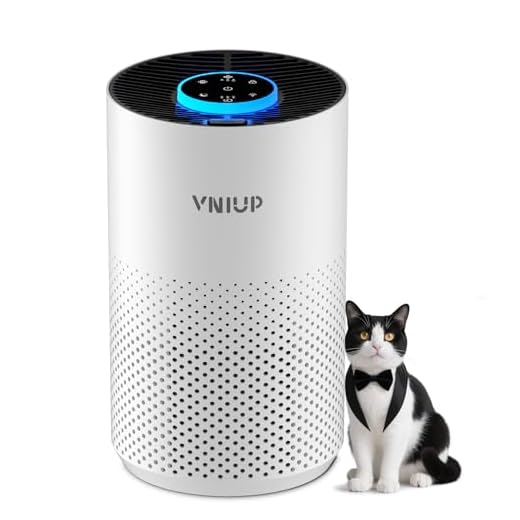
Consider the size of the room where the air purifier will be used. Many models are rated for specific square footage, emphasizing the importance of matching the appliance to the room’s dimensions. Noise level can also be a factor, especially for nighttime use. Look for devices that provide multiple fan speed settings for customizable airflow. Energy efficiency ratings give insight into long-term operational costs. These considerations play a crucial role in ensuring the air purifier meets your requirements effectively.
Factors to Consider for Effectiveness
When selecting an air purifier, the specific type of filter it features plays a crucial role in its effectiveness. HEPA filters are often recommended for their ability to capture small particles, including allergens and respiratory irritants. Additionally, some purifiers include activated carbon filters, which help eliminate odors and volatile organic compounds. The combination of these filter types can enhance air quality further, making it easier for individuals with asthma or other respiratory conditions to breathe comfortably.
Size is another important factor to consider, as an air purifier should be appropriately matched to the room it will serve. A unit that is too small for a space may not adequately clean the air, while an oversized model could lead to unnecessary energy consumption. Room size, ceiling height, and air exchange rate are key determinants in choosing a model that will effectively circulate and filter the air. Evaluating these aspects ensures that the purifier will meet the specific needs of users.
Maintenance Tips for Air Purifiers
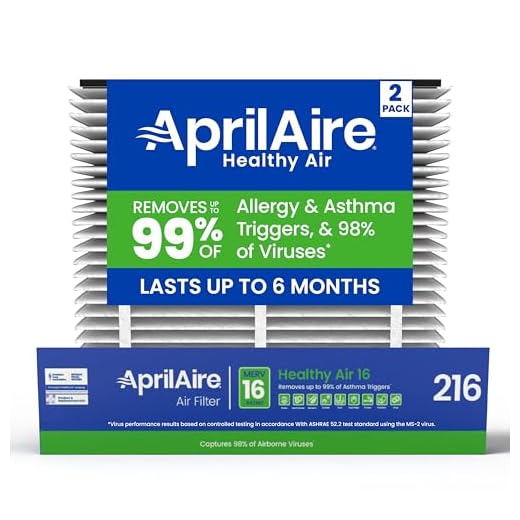
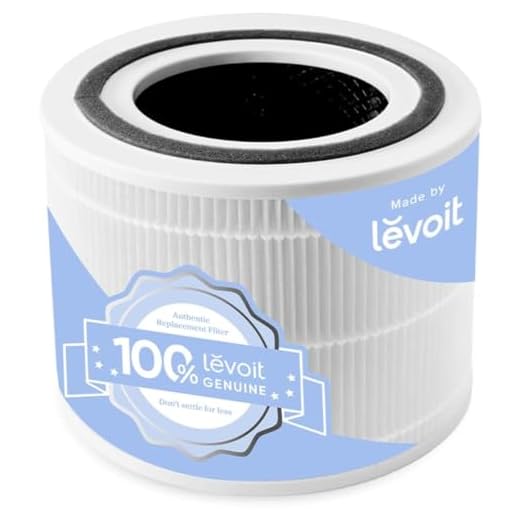
Regular maintenance plays a crucial role in ensuring that air purifiers function effectively. Filter replacement is one of the most important tasks. Many purifiers come equipped with HEPA filters that need to be changed every six months to a year, depending on usage and air quality. Keeping track of the recommended schedule is essential to maintain optimal filtration performance. Additionally, some units have pre-filters that capture larger particles; these can often be cleaned and reused, prolonging the life of the primary filters.
Cleaning the exterior and interior components also contributes to the efficiency of air purifiers. Dust and debris can accumulate over time, potentially obstructing airflow. Wiping down the surfaces with a damp cloth helps prevent buildup. The intake and outlet vents should be inspected regularly to ensure they are free from obstructions. Taking these simple steps can enhance the longevity and effectiveness of the air purifier in maintaining better air quality for individuals with asthma and other respiratory conditions.
Ensuring Optimal Performance
Regular maintenance of air purifiers significantly affects their performance. This includes changing filters according to the manufacturer’s recommendations. Clogged or dirty filters can hinder airflow and reduce the purifier’s ability to effectively remove pollutants. Keeping the unit clean ensures that it operates at maximum efficiency. Dust and debris can accumulate on exterior surfaces, so periodic cleaning is essential.
In addition to filter changes, monitor the location of the air purifier within your space. Positioning it in an open area allows for optimal air circulation. Avoid placing it in corners or behind furniture, as this can obstruct airflow. Utilizing the unit continuously, especially during high pollen seasons or pollution spikes, also optimizes its effectiveness. Staying vigilant about these factors helps maintain the air quality benefits that purifiers provide.
FAQS
Can air purifiers reduce asthma symptoms?
Yes, air purifiers can help reduce asthma symptoms by removing allergens and irritants such as dust, pollen, pet dander, and smoke from the air, making it easier for individuals with asthma to breathe.
Which type of air purifier is best for asthma sufferers?
HEPA (High-Efficiency Particulate Air) filters are recommended for asthma sufferers because they effectively capture small particles that can trigger asthma attacks, such as pollen and dust mites.
How often should I change the filter in my air purifier?
It is generally recommended to change the filter every 6 to 12 months, but this can vary based on the model and usage frequency. Always refer to the manufacturer’s guidelines for specific recommendations.
Do air purifiers help with other breathing issues besides asthma?
Yes, air purifiers can also help with other respiratory issues, such as allergies, chronic bronchitis, and general respiratory discomfort by improving overall air quality.
Are there any specific maintenance tips for air purifiers to ensure optimal performance?
Regularly clean the pre-filters and replace the HEPA filters as recommended, keep the purifier in a location where air can flow freely, and check for any blockages to ensure that it operates efficiently.

