

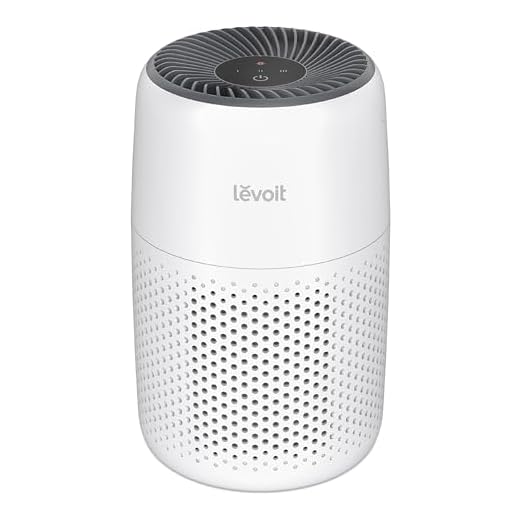


Combining Air Purifiers and Humidifiers
Utilizing both an air purifier and a humidifier can enhance the overall air quality in a living space. Air purifiers excel at removing allergens, dust, and other pollutants from the air, while humidifiers add moisture to dry environments. Together, these devices create a balanced atmosphere that promotes respiratory health and comfort, especially during the winter months when heating systems can cause indoor air to become especially dry.
When pairing these two appliances, it is essential to consider their placement and operation. An optimal setup involves placing the air purifier and humidifier in proximity to one another, ensuring that clean, moist air circulates effectively throughout the room. This combination allows for a more harmonious indoor environment, helping to alleviate symptoms like dry skin and congestion while maintaining clear air free from harmful particles.

The Synergy Between Both Devices
The combination of air purifiers and humidifiers can create a more comfortable living environment. Air purifiers reduce airborne particles, allergens, and pollutants while humidifiers maintain optimal moisture levels. This synergy can be particularly beneficial in regions with dry air, where both devices can work together effectively.
Using an air purifier alongside a humidifier can also counteract some drawbacks of each device. For instance, a humidifier can increase humidity, which may promote mold growth if not properly monitored. An air purifier can help mitigate this risk by filtering out mold spores and other contaminants. Together, they can enhance indoor air quality while ensuring a comfortable atmosphere.
Potential Downsides of Using Both
Using both an air purifier and a humidifier can lead to some challenges that merit consideration. For instance, the added complexity of managing two devices can be inconvenient. Each appliance requires maintenance and regular cleaning, which can become time-consuming. If not properly maintained, a humidifier might introduce excess moisture in the air, potentially fostering mold growth or dust mites.
Moreover, the interaction between the two devices could result in diminished efficiency. Air purifiers may struggle to filter out airborne particles if humidity levels are too high, while a humidifier’s effectiveness can be compromised if the air is too dry. Balancing the operation of both devices requires careful monitoring to achieve optimal indoor air quality. Users might find themselves adjusting settings frequently to ensure that neither appliance counteracts the other.
Common Issues to Consider
Using both an air purifier and a humidifier can lead to certain complications that homeowners should be aware of. For instance, increased humidity levels from a humidifier may cause dust mites and mold to flourish, potentially negating some benefits of the air purifier. Regular maintenance becomes essential in such setups, as failing to clean either device can result in decreased efficiency and poor indoor air quality.
Another concern lies in the cost and space requirements associated with using both devices. Air purifiers and humidifiers come with their own installation and operational costs, which may add up significantly. Additionally, finding adequate space to accommodate both units can sometimes be challenging in smaller living environments. Proper placement and periodic monitoring of humidity levels are crucial for achieving the desired indoor climate without exacerbating air quality issues.
Cost Considerations
Investing in both an air purifier and a humidifier involves evaluating the initial purchase price alongside potential maintenance costs. High-quality models often come with advanced features that enhance air quality or humidity control, which can raise the upfront costs. It’s essential to compare different brands and models to find ones that offer the best value for their features. Additionally, consider ongoing expenses like filter replacements for air purifiers and water tank cleaning for humidifiers. These factors contribute significantly to the overall financial commitment.
When assessing cost, factor in the potential health benefits of improved air quality and humidity levels. Individuals with allergies or respiratory issues may experience fewer symptoms, which can reduce healthcare costs over time. Energy consumption is another consideration, as both devices may contribute to higher electricity bills. While the combined investment might seem substantial, the long-term advantages could justify the expense, especially for households aiming to enhance their living environment.
Evaluating the Investment of Both Devices
Investing in both an air purifier and a humidifier can initially seem like a substantial financial commitment. Air purifiers are designed to remove allergens, dust, and pollutants from the air, significantly enhancing indoor air quality. Conversely, humidifiers add moisture to the air, which is crucial for maintaining comfort and respiratory health, especially in dry environments. The combination of both devices can create a more balanced atmosphere, promoting overall well-being within the home.
When evaluating the cost, it’s essential to consider not just the purchase price of each device but also their long-term energy efficiency and maintenance needs. Some models come with filters that require periodic replacement, which adds to the overall investment. Moreover, depending on the size of the area you wish to cover, larger models may be necessary, increasing costs further. Weighing these factors can help determine whether the benefits of both devices justify the expense in your particular situation.
FAQS
What is the main benefit of using both an air purifier and a humidifier?
The main benefit of using both devices is to improve indoor air quality by removing pollutants and allergens while also adding moisture to the air, helping to create a more comfortable and healthy living environment.
Can using an air purifier and humidifier together cause any issues?
Yes, there can be potential downsides, such as increased humidity levels if the humidifier is not properly monitored, which may lead to mold growth or dust mites. It’s important to maintain a balance between air purity and humidity.
How do I know if I need both an air purifier and a humidifier?
If you experience dry air, allergies, or respiratory issues, you may benefit from both devices. An air purifier is ideal for filtering out pollutants, while a humidifier helps to maintain optimal humidity levels, especially in dry climates or during winter months.
What costs should I consider when purchasing both an air purifier and humidifier?
Costs to consider include the initial purchase price of each device, ongoing maintenance such as filter replacements for the air purifier, and the energy consumption of both devices. Evaluating these costs can help you determine if the investment is worthwhile for your specific needs.
Are there specific types of air purifiers and humidifiers that work better together?
While any air purifier and humidifier can work in tandem, it’s beneficial to choose devices that complement each other’s functions. For instance, a HEPA air purifier effectively removes allergens, while an ultrasonic humidifier can efficiently add moisture without leaving mineral deposits.

