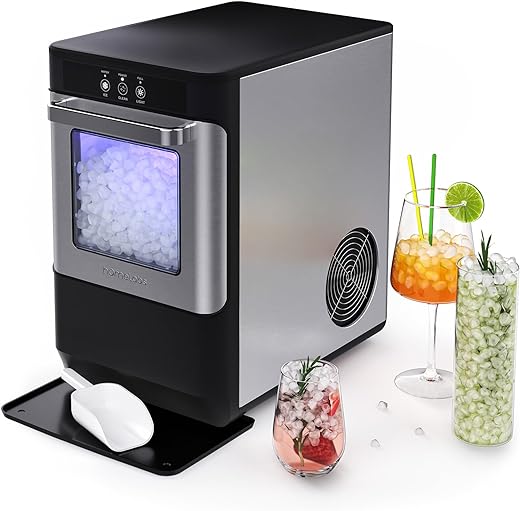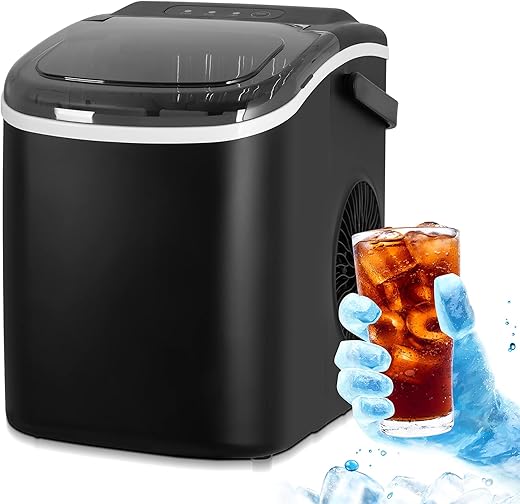
This step-by-step guide, “How to Understand the Power Requirements of Your Ice Maker,” provides users with essential insights into the electricity consumption of their ice makers and how to accurately assess their power needs. It outlines the key factors influencing power requirements, including the ice maker’s size, type, and efficiency ratings. The guide also offers practical tips on reading labels, calculating energy usage, and choosing the right power sources to ensure optimal performance. By following this guide, users will be better equipped to manage their ice maker’s energy consumption effectively, leading to cost savings and improved functionality.
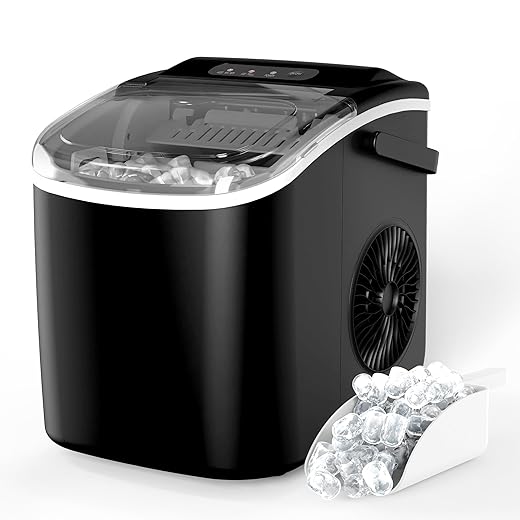

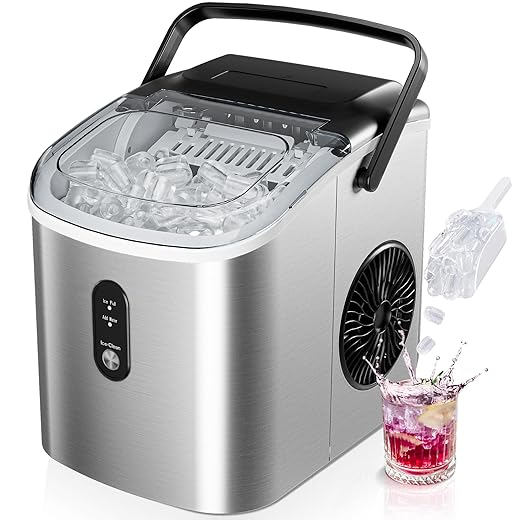
Ice Maker Troubleshooting: Jumper Test and Cycle Issues
Identify Your Ice Maker Model
Search for the label that displays the make and model of your ice maker. This label is often located on the back or bottom of the unit, so carefully move the ice maker away from the wall or any nearby objects for better visibility. Once you find the label, take note of the information provided, as it typically includes the manufacturer’s name, model number, and sometimes the serial number. If the label is hard to read due to dirt or dust, clean the area gently with a damp cloth to ensure all details are visible.
Record the make and model information. This will be crucial when you need to look up specific power requirements and specifications for your ice maker. Use this information to search online for the manufacturer’s website or consult the user manual, if available. Understanding the specific power requirements is essential for safe and effective operation, as it helps you determine the correct electrical setup and ensures that your ice maker functions at its best.


Check the Manufacturer's Specifications
Visit the manufacturer’s website or access the user manual for your ice maker to gather essential information regarding its power consumption. Look for sections labeled “Specifications” or “Technical Details,” where you can find crucial data such as wattage and voltage requirements. For example, if you own a model like the Igloo ICEB26HNSS, check the specifications to discover that it operates on 120 volts and uses approximately 135 watts. This information is vital in ensuring that your electrical system can support the ice maker without overloading circuits or causing potential damage.
Examine the manufacturer’s website for downloadable manuals or product guides that may contain additional insights about your ice maker’s energy efficiency. If you cannot find the information online, consider reaching out to customer service for clarification. For example, if your ice maker is from the brand Whynter, their website may provide a comparison chart detailing different models’ energy consumption. By understanding these specifications, you can plan your installation accordingly and ensure that your power supply meets the necessary requirements for optimal performance.
Understand Power Ratings
Understand the difference between watts, amps, and volts to accurately assess your ice maker’s energy requirements. Watts measure the total power consumed by an appliance, whereas amps represent the current flowing through the electrical circuit, and volts indicate the electrical potential difference. Recognize that these three units are interconnected through the formula: Watts = Amps × Volts. This relationship allows you to see how much power your ice maker will use based on the current and voltage supplied to it.
Calculate the necessary conversions to ensure your ice maker operates efficiently. If you know the volts and amps, simply multiply them to find the watts. Conversely, if you need to determine amps from watts and volts, rearrange the formula to Amps = Watts ÷ Volts. If the wattage of your ice maker is not listed, check the manufacturer’s specifications or label, as this will give you a clearer picture of its energy needs. Use these calculations to select the appropriate power source and avoid any electrical issues while ensuring optimal performance for your ice maker.
Calculate Estimated Energy Usage
Calculate the estimated energy usage of your ice maker by utilizing the formula: Energy (kWh) = Power (kW) x Time (hours). First, identify the power rating of your ice maker, which is typically found on the appliance’s specification label or in the user manual. For example, if your ice maker has a power rating of 0.15 kW and you plan to operate it for 8 hours a day, multiply these two values together. This will give you an estimated energy consumption of 1.2 kWh for that day (0.15 kW x 8 hours = 1.2 kWh).
Assess the potential monthly energy usage by extending your calculation over a longer period. For instance, if you use the ice maker daily for a month, multiply your daily energy consumption by the number of days in the month. Using the previous example, multiplying 1.2 kWh by 30 days results in an estimated monthly usage of 36 kWh. Now, check your electricity rate on your utility bill to understand the cost. If your rate is $0.12 per kWh, you would multiply 36 kWh by $0.12, which equals $4.32. This straightforward calculation provides insight into how operating your ice maker affects your electricity bill, allowing you to make informed decisions about its usage.
Empowering Your Ice Maker Choices
In conclusion, understanding the power requirements of your ice maker is essential for optimizing its performance and managing energy consumption. By assessing the unit’s specifications, evaluating your power source, and considering usage patterns, you can ensure that your ice maker operates efficiently and meets your needs. With this knowledge, you can make informed decisions that not only enhance your ice-making experience but also contribute to energy savings in your home.