Self Emptying Robot Vacuum: The Ultimate Guide to Hands-Free Cleaning

Eureka J15 Ultra Self Emptying Robot Vacuum, 19,000 Pa Suction, Flex-Arm Mop Design, 167℉ Hot Water Mop Washing & 131°F Hot Air Drying, AI Obstacle Avoidance, Black


- Enables up to 75 days of hands-free cleaning with automatic debris emptying and water refilling.
- Offers powerful 19,000 Pa suction for deep carpet and hard floor cleaning, removing dust and pet hair efficiently.
- Flex-arm mop design provides edge-to-edge precision cleaning, including tight spaces and corners.
- Features anti-tangle FlexiRazor brush, preventing hair buildup and reducing maintenance time.
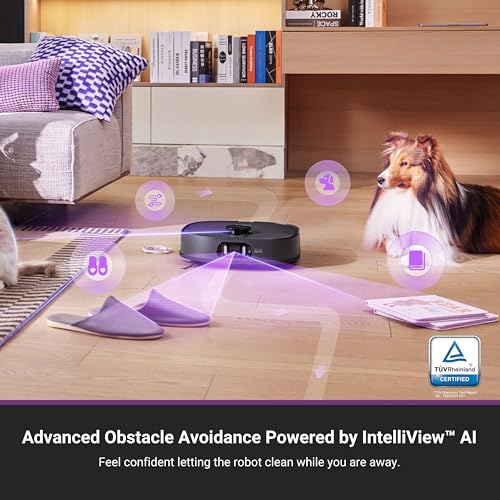
- Smart AI dirt detection adjusts cleaning modes for dry and wet messes, with advanced obstacle avoidance.
Disclosure: This article contains affiliate links. As an Amazon Associate, I earn from qualifying purchases.
Understanding Self Emptying Robot Vacuum
A self emptying robot vacuum is an advanced home cleaning device designed to minimize human intervention by automatically emptying its dustbin into a larger base station. Unlike traditional robot vacuums that require frequent manual disposal, these models provide sustained cleaning with minimal maintenance. They are equipped with smart sensors that detect messes and navigate obstacles to clean efficiently across various floor types.
This technology matters because it helps busy households maintain cleaner floors with less effort, making them ideal for pet owners, allergy sufferers, or anyone seeking automation in everyday chores. Innovations like hot water mop washing, drying functions, and AI obstacle avoidance further enhance their cleaning effectiveness and convenience.
Decision Framework for Choosing a Self Emptying Robot Vacuum
When selecting a self emptying robot vacuum for your home, consider these key factors that impact performance and convenience:
1. Suction Power and Cleaning Capabilities
High suction is essential for thorough removal of dust, debris, and pet hair from carpets and hard floors. For example, the Eureka J15 Ultra generates 19,000 Pa of suction, ensuring deep cleaning.
2. Mop Integration and Wet Cleaning Features
Some robot vacuums also incorporate mopping capabilities. Models like the Eureka J15 Ultra feature a flex-arm mop combined with high-temperature mop washing and air drying for hygiene and spotless floors.
3. Self Emptying and Base Functionality
A crucial convenience is the base station’s ability to handle multiple tasks autonomously—for instance, automatic dust emptying and water refills. The Eureka J15 Ultra’s 8-in-1 base cleans itself and stores debris for up to 75 days.
4. Smart Navigation and Obstacle Avoidance
Advanced AI and sensors enable the vacuum to detect both dry and wet dirt spots, adjusting cleaning modes accordingly. Technologies such as LiDAR and cameras help avoid over 150 obstacle types, enhancing safety and efficiency.
5. Maintenance Considerations
Anti-tangle brushes reduce hair buildup on the cleaning brush, which lowers maintenance frequency. Features like the FlexiRazor brush on the Eureka J15 Ultra exemplify this.
By evaluating these factors, you can find a self emptying robot vacuum that fits your cleaning needs and lifestyle.
Step-by-Step Implementation Checklist
To integrate a self emptying robot vacuum into your home cleaning routine effectively, follow these steps:
- Assess Your Cleaning Needs: Identify floor types, presence of pets, frequency of cleaning, and specific problem areas.
- Research Suitable Models: Focus on models with self emptying bases and features ideal for your floors and mess types.
- Set Up the Base and Vacuum: Place the base on a flat surface with access to power, and charge the vacuum fully before first use.
- Configure Software and Cleaning Zones: Use the app or controls to map your home, set cleaning schedules, and define no-go zones if needed.
- Perform Initial Cleaning Runs: Observe how the vacuum navigates and cleans; adjust settings if necessary.
- Regularly Check Base and Vacuum: While self emptying reduces maintenance, periodically inspect for blockages or wear.
- Refill and Clean Mop Components: For models with mopping functions, maintain water tanks and mop pads according to instructions.
This process helps ensure optimal performance and longevity of your self emptying robot vacuum.
Practical Examples & Use Cases
- Pet Owners: Continuous removal of pet hair and dander without frequent brush cleaning thanks to anti-tangle technology.
- Busy Professionals: Extended hands-free cleaning cycles of up to 75 days reduce daily chores dramatically.
- Homes with Mixed Flooring: Edge-to-edge precision and flexible mop arms clean both carpets and hardwood floors effectively.
- Families with Small Children: Hot water mop washing and drying provide hygienic floor cleaning, eliminating sticky or wet residues.
- Tech Enthusiasts: Advanced AI dirt sensing and obstacle detection enhance the device’s adaptability to different messes and home layouts.
Tips, Best Practices & Common Mistakes
- Tip: Regularly empty the main dustbin if your model requires it, even with self emptying bases, to maintain peak suction.
- Best Practice: Update firmware and app software to access new features and improvements.
- Mistake to Avoid: Placing charging base in cramped or cluttered areas that hinder the vacuum’s return.
- Tip: Schedule cleanings during times you are away to minimize disturbance.
- Best Practice: Protect delicate furniture edges and trailing cords to prevent accidental damage.
- Mistake: Ignoring mop pad cleaning, which may reduce cleaning effectiveness over time.
Where Eureka J15 Ultra Self Emptying Robot Vacuum Fits Into Your Self Emptying Robot Vacuum Workflow
The Eureka J15 Ultra offers a comprehensive solution for seamless home cleaning automation. Its all-in-one base combines dust emptying, water refilling, hot mop wash, and air drying for low-maintenance upkeep, significantly reducing manual intervention.
Good fit when you need:
- Extended cleaning intervals without daily intervention
- Powerful suction capable of tackling pet hair and deep dust
- Integrated mopping with advanced hot water washing and drying
- AI-driven smart obstacle avoidance and dirt detection
- A compact, efficient design for cleaning corners and edges
Eureka J15 Ultra Self Emptying Robot Vacuum Features
- 8-in-1 base handles waste emptying, water refilling, mop washing, and drying.
- 19,000 Pa powerful suction for carpets and hard floors.
- Flex-arm mop and square-round design clean edges and corners precisely.
- FlexiRazor anti-tangle brush cuts hair to maintain suction.
- IntelliView AI dirt sensor and multi-sensor obstacle avoidance.
FAQ: Self Emptying Robot Vacuum
What is a self emptying robot vacuum and how does it work?
A self emptying robot vacuum automatically cleans your floors and transfers collected dirt into a larger storage bin in its base. This reduces the frequency of manual dustbin emptying and often includes features like scheduling, mop functions, and obstacle avoidance.
How often do I need to empty the base station in a self emptying robot vacuum?
Many models, including advanced ones like the Eureka J15 Ultra, allow up to 75 days of cleaning before needing to manually empty the base’s debris container, depending on usage and home conditions.
Can self emptying robot vacuums clean wet and dry messes?
Yes, some models have integrated mopping functions with hot water washing and drying cycles to handle both wet and dry dirt. Smart sensors detect mess types and adjust cleaning modes automatically.
Are self emptying robot vacuums suitable for pet owners?
Absolutely. Features like high suction, anti-tangle brushes, and allergen filtering make these vacuums ideal for managing pet hair and dander with minimal upkeep.
How do robot vacuums avoid obstacles and furniture?
They use a combination of sensors such as LiDAR, cameras, and AI algorithms to detect and navigate around over 150 object types, preventing collisions and getting stuck.
What maintenance is required for a self emptying robot vacuum?
While self emptying reduces manual cleanup, periodic checks of brushes, filters, mop pads, and base functionality are recommended to ensure optimal performance.
Conclusion
A self emptying robot vacuum transforms home cleaning by minimizing manual effort through advanced automation and smart features. Whether you have pets, mixed floors, or busy schedules, devices like the Eureka J15 Ultra offer powerful suction, mop integration, and intelligent dirt and obstacle detection designed for convenience and thoroughness. Integrating such technology allows you to enjoy consistently clean floors with minimal intervention.