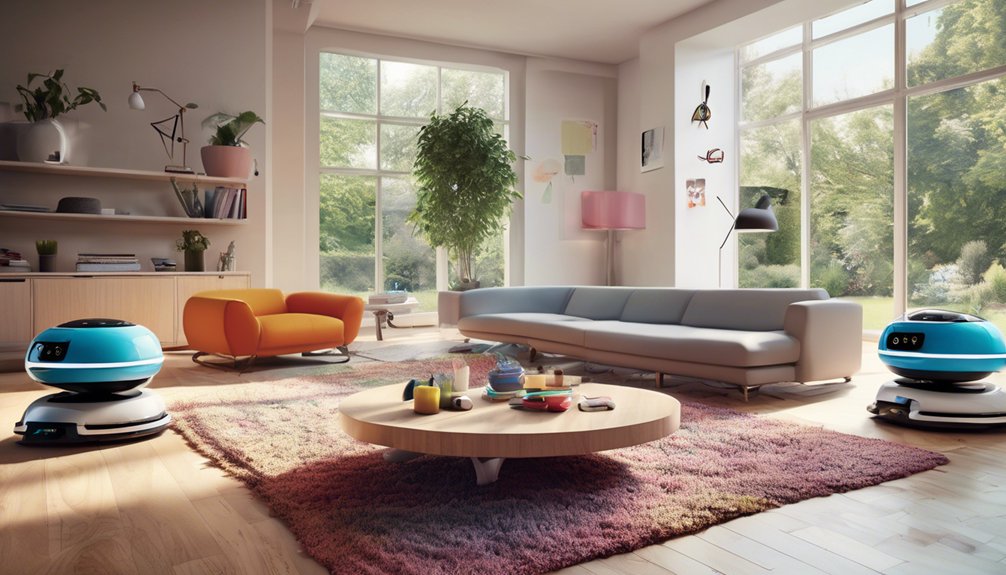
Robot Vacuum and Mop: A Complete Guide to Effortless Home Cleaning

roborock QV 35S Robot Vacuum and Mop, All-in-one Vacuum Cleaner, 10,000Pa Powerful Suction, Self Emptying & Refilling, Self Mop Washing & Air Drying, Anti-Tangle Brushes for Home, Pet Hairs, Black


- Delivers strong suction to capture stubborn debris and pet hair for clean floors.
- Features a self-cleaning dock that handles mop washing, dust emptying, and water refilling for hands-free maintenance.
- Includes anti-tangle brushes designed for homes with pets to reduce hair wrap issues.
- Dual spinning mops mimic hand mopping with adjustable water levels and carpet avoidance.
- Utilizes smart navigation with LiDAR mapping and obstacle detection for efficient cleaning routes.
- Customizable via app for tailored schedules, zone cleaning, and adaptive plans.
Disclosure: This article contains affiliate links. As an Amazon Associate, I earn from qualifying purchases.
In today’s busy world, keeping a clean home can be a relentless task, especially with pets, kids, or a large living space. Combining vacuuming and mopping efficiently requires time and effort that many find hard to spare. A robot vacuum and mop offers an automated solution that lifts dirt, pet hair, and stains without constant manual labor, transforming tedious chores into effortless routines. Devices like the roborock QV 35S Robot Vacuum and Mop, an all-in-one cleaner with powerful suction and smart features, make this possible by delivering superior cleaning performance and smart maintenance. This guide will help you understand what a robot vacuum and mop is, how to select one, and how to use it effectively for sparkling floors.
Understanding Robot Vacuum and Mop Technology
Robot vacuum and mop machines combine two fundamental cleaning actions: vacuuming floors to collect loose debris and mopping to remove stains and fine dust. Unlike traditional vacuum cleaners or standalone mops, these devices perform both tasks autonomously with programmed routes and sensors. This not only saves time but can enhance cleaning consistency.
Core features typically include:
- Vacuuming Power: Measured in Pascal (Pa), suction capacity determines how well dirt, dust, and pet hair lift from different surfaces.
- Mopping Mechanism: Usually a rotating or vibrating mop pad that applies water or cleaning solution to scrub and refresh floors.
- Sensors and Navigation: Smart mapping via LiDAR or cameras enables efficient cleaning paths, obstacle avoidance, and room recognition.
- Self-Maintenance Stations: Advanced docks allow automatic emptying of dustbins, cleaning and drying of mops, and refilling water tanks.
Understanding these features helps recognize their benefits in practical home care.
Key Considerations When Choosing a Robot Vacuum and Mop
Selecting the right robot vacuum and mop depends on your home’s needs and your lifestyle. Consider these factors:
1. Suction and Mopping Power
Strong suction (e.g., 10,000Pa like in the roborock QV 35S) effectively lifts embedded dirt and pet hair from carpets and hard floors, while a dual spinning mop system removes stubborn stains by mimicking manual mopping. Adjustable water flow controls accommodate sensitive floors.
2. Self-Cleaning Features
Smart models include docks that automatically empty dust bins, wash and air-dry mop pads, and refill water tanks. This reduces regular maintenance and extends cleaning intervals, especially helpful for busy households.
3. Brush and Hair Tangle Resistance
If you have pets, anti-tangle brush systems reduce hair wrapping around the machine’s brushes, making upkeep easier and improving cleaning efficiency.
4. Navigation and Obstacle Avoidance
LiDAR navigation that scans 360° enables precise mapping and efficient cleaning routes, even across multi-floor homes. Advanced obstacle detection helps avoid furniture and suggests “No-Go Zones” where the robot might get stuck.
5. App Integration and Scheduling
Remote smartphone control allows you to customize cleaning schedules, designate specific rooms or zones, and monitor cleaning progress. Adaptive scheduling based on room types optimizes cleaning strategy.
Step-by-Step Implementation Checklist for Robot Vacuum and Mop Cleaning
- Assess Your Home’s Flooring: Identify floor types (hardwood, carpet, tiles) and staining issues to adjust settings.
- Set Up Your Robot Dock: Place the multifunctional dock in an accessible area for easy emptying, filling, and charging.
- Configure the App: Download the cleaning app, connect to Wi-Fi (usually 2.4G), and input your home layout by initiating the first map scan.
- Schedule Cleaning Times: Set recurring or on-demand cleaning sessions to suit your routine.
- Define No-Go Zones: Mark areas where the robot should not enter to prevent getting stuck.
- Run Initial Cleaning Inside Controlled Areas: Monitor performance and adjust water flow and suction for optimal results.
- Maintain Regular Dock and Robot Checkups: Empty dust bags after multiple cycles, clean brushes, and replace filters periodically.
roborock QV 35S Robot Vacuum and Mop, All-in-one Vacuum Cleaner
Practical helper for robot vacuum and mop workflows: compact, straightforward, and easy to integrate.
Practical Use Cases for Robot Vacuum and Mop Solutions
- Homes with Pets: Anti-tangle brushes and strong suction keep fur and dander controlled. Self-cleaning mops reduce allergens.
- Large Multi-Floor Houses: LiDAR mapping supports up to four floor plans, optimizing cleaning without manual remapping.
- Busy Professionals: Hands-free self-emptying and auto-refilling docks enable long unattended cleaning cycles.
- Mixed Flooring: Liftable mops prevent carpets from getting wet, and adjustable water flow protects sensitive surfaces.
- Cluttered Spaces: Obstacle sensors and no-go zone settings prevent the robot from getting trapped under chairs or cables.
Tips, Best Practices, and Common Mistakes to Avoid
- Regularly Update Your Robot’s App: Manufacturers often release firmware updates for better navigation and features.
- Keep the Dock Area Clear: Avoid obstructing sensors or blocking dust bags.
- Clean Brushes and Mop Pads as Recommended: Even with self-cleaning, occasional manual maintenance ensures peak performance.
- Don’t Ignore No-Go Zones: Marking these areas saves time and prevents robot damage.
- Start With Controlled Cleaning: Let your robot get familiar with your home layout before relying fully on it.
Where roborock QV 35S Robot Vacuum and Mop Fits into Your Robot Vacuum and Mop Workflow
The roborock QV 35S excels as a highly capable all-in-one robot vacuum and mop by combining powerful suction and advanced mopping technology with a multifunction dock for easy maintenance. It suits those who want a comprehensive cleaning helper that minimizes manual intervention while adapting to varied flooring and pet hair challenges.
Good fit when you need:
- Efficient pet hair and debris removal from multiple surfaces
- Hands-free cleaning with a self-emptying, self-refilling, and mop-washing dock
- Intelligent navigation including obstacle avoidance and multi-floor mapping
- Customizable cleaning schedules and zones via smartphone app
- Dual anti-tangle brush system for hassle-free operation
roborock QV 35S Robot Vacuum and Mop, All-in-one Vacuum Cleaner
- Delivers intense cleaning power with 10,000Pa suction for deep carpet and hard floor cleaning
- Self-maintenance dock automates mop washing, drying, dust emptying, and water refilling
- Anti-tangle floating rubber brush and arc-shaped side brush reduce hair wrapping problems
- Dual spinning mops that adjust height and water flow for different floor types and stains
- Structured light obstacle avoidance and precise LiDAR navigation for smooth pathfinding
- App-controlled scheduling, room-specific cleaning, and adaptive SmartPlan technology
Specs at a glance
| Feature | Details |
|---|---|
| Suction Power | 10,000Pa HyperForce suction |
| Cleaning Area (Mopping) | Up to 3,552 sqft with full tank |
| Dock Functions | Self-emptying dust, self-washing and air-drying mop, auto tank refill |
| Brushes | Dual anti-tangle rubberized floating main brush, SGS-certified side brush |
| Mopping Technology | Dual liftable spinning mops up to 200 RPM, lifts 10 mm to avoid carpets |
| Navigation & Mapping | PreciSense LiDAR 360° mapping; Supports 4 floor maps |
| Obstacle Avoidance | Structured light sensors with “No-Go Zone” setup |
| App Features | Scheduling, room/zone cleaning, SmartPlan adaptive scheduling |
| Connectivity | Wi-Fi (2.4GHz only) |
| Supported Floor Types | Hard floors, carpets (with mop lift feature) |
roborock QV 35S Robot Vacuum and Mop Features Closeup
FAQ
What makes a robot vacuum and mop different from a regular robot vacuum?
A robot vacuum and mop combines suction cleaning with mopping functionality, allowing it to vacuum dust and debris then mop the floors with rotating pads, removing stains that vacuuming alone cannot handle.
How does the self-cleaning dock improve maintenance?
The dock automatically empties the robot’s dustbin, washes and air-dries mop pads, and refills the water tank. This reduces manual cleaning effort, extending intervals between maintenance tasks for user convenience.
Can robot vacuums with mops clean carpets effectively?
Most robot vacuum and mop combos lift their mopping modules when detecting carpets to avoid wetting them. Suction power removes surface dirt from carpets, though mopping is typically reserved for hard floors.
Is it necessary to use an app to operate robot vacuums with mops?
While many models allow basic manual operation, app control enables scheduling, zone-specific cleaning, obstacle setup, and adjustment of mop water flow, enhancing cleaning customization and efficiency.
How do anti-tangle brushes work for pet hair?
Special rubberized and uniquely shaped brushes prevent hair from wrapping tightly around them. This reduces matting and brush jams, especially important in pet-owning households.
What cleaning schedule is recommended with these robots?
Schedules vary by individual needs, but many users set daily or every-other-day cleanings for optimal dust and pet hair control, adjusting frequency and areas through the app.
Conclusion
Robot vacuum and mop devices represent a significant step forward in home cleaning technology, merging vacuuming strength and mopping finesse with smart automation and maintenance. Choosing a solution with powerful suction, tangle-resistant brushes, self-cleaning docks, and smart navigation—like the roborock QV 35S Robot Vacuum and Mop—can drastically reduce the time and effort spent on keeping floors spotless. By understanding the technology, assessing key factors, and following practical steps, you can achieve cleaner floors effortlessly.
Ready to transform your cleaning routine?