Horizontal Food Powder Ribbon Mixing Machine Guide for Efficient Blending
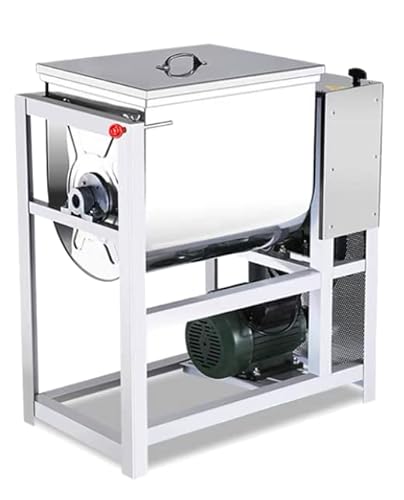
Horizontal Food Powder Ribbon Mixing Machine Blender
Practical helper for powder blending workflows: compact, straightforward, and easy to integrate.
Disclosure: This article contains affiliate links. As an Amazon Associate, I earn from qualifying purchases.
Efficiently blending food powders is key to producing consistent, high-quality food products. Whether you are in food manufacturing, R&D, or culinary innovation, the right equipment like a horizontal food powder ribbon mixing machine can make all the difference. This guide explores the essentials of horizontal ribbon mixers, how to select and operate them for optimal blending, and practical tips to enhance your blending workflow.
Understanding Horizontal Food Powder Ribbon Mixing Machines
A horizontal food powder ribbon mixing machine, often called a ribbon blender or mixer, is designed to mix dry powders thoroughly and efficiently. It features a cylindrical, U-shaped container with a dual helix ribbon agitator inside. The agitator includes an inner and an outer ribbon blade that rotate in opposite directions, moving materials both radially and laterally. This dual-directional movement creates a uniform blend of powders, granules, or flakes.
This type of mixer is widely valued for its versatility, able to blend a diverse range of dry materials — from fine powders to larger granules — without clumping or segregation. In food processing, it ensures consistent mixing for products like spice blends, baking mixes, powdered drink mixes, and nutritional supplements.
Why Efficient Mixing Matters
Uniform mixing prevents quality issues such as uneven taste, texture inconsistencies, or incomplete ingredient integration. Consistency across batches also improves product reliability and consumer trust. Horizontal ribbon mixers deliver this by achieving a thorough blend quickly with minimal operator intervention.
Key Considerations When Choosing a Horizontal Food Powder Ribbon Mixing Machine
Choosing the right ribbon mixing machine involves balancing capacity, material compatibility, hygiene needs, and control features.
- Capacity Needs: Align machine size to your batch volume for efficiency. Too large leads to wasted energy; too small limits productivity.
- Material Types: Consider whether you’ll blend only powders or also granules and flakes, as ribbon configurations can be tailored.
- Sanitary Features: Food powder mixing requires hygienic design elements—easily cleanable surfaces, smooth interiors, and optional sanitation enhancements.
- Mixing Control: Adjustable speed drives aid precise blending, ideal for delicate or complex formulations.
- Safety: Look for machines with interlocks and guards that protect operators during use and cleaning.
For example, the Horizontal Food Powder Ribbon Mixing Machine Blender supports multiple configurations, hygienic handling, and safety features suitable for diverse food industry tasks.
Step-by-Step Implementation Checklist for Using a Ribbon Mixing Machine
- Preparation: Verify the machine is clean and dry before use; ensure all safety guards and controls are operational.
- Loading: Add powders and ingredients evenly into the U-shaped container without overfilling.
- Set Parameters: Adjust mixing speed and time according to the recipe or material properties.
- Start Mixing: Engage the ribbon agitator; monitor initial blending phase to catch any irregularities.
- Mixing Completion: Let the machine run for the required duration for thorough and uniform blending.
- Discharge: Open the outlet valve or discharge port to empty the blend; some machines allow for easy bulk discharge.
- Cleaning: Clean the machine promptly to avoid cross-contamination and ensure hygiene.

Practical Use Cases for Horizontal Food Powder Ribbon Mixing Machines
The horizontal ribbon mixing machine is ideal for many food industry processes, including:
- Spice and Herb Blends: Achieve consistent flavors by thoroughly mixing fine powders and flakes.
- Baking Mixes: Ensure even distribution of leavening agents and dry ingredients for uniform baked goods.
- Protein Powders and Nutritional Supplements: Blend active ingredients with fillers and flavorings evenly.
- Instant Drink Mixes: Combine drink powders and sweeteners without clumping.
- Seasoning Powders: Blend dry seasonings for snack foods or prepared meals precisely.
In each use case, machinery like the Horizontal Food Powder Ribbon Mixing Machine Blender helps maintain batch consistency, hygiene standards, and process efficiency, making it a versatile addition to your production line.
Tips, Best Practices & Common Mistakes
Tips for Optimal Mixing
- Use the correct batch size recommended for your machine to maximize efficiency.
- Regularly calibrate mixing time and speed for different ingredient characteristics.
- Clean after each batch to maintain hygiene and avoid contamination.
- Use safety features properly and perform routine machine inspections.
Common Mistakes to Avoid
- Overloading the mixer beyond capacity, causing poor blend quality.
- Mixing wet or sticky powders without appropriate machine settings, leading to clumping.
- Neglecting cleaning, risking cross-contamination between batches.
- Inadequate safety measures during operation and maintenance.
Following these guidelines ensures consistent results and machine longevity.
Maintenance, Safety, and Troubleshooting
Routine maintenance includes inspecting ribbons for wear, checking seals and bearings, lubricating moving parts, and cleaning thoroughly. Ensure all safety features like emergency stops and guards operate properly to prevent accidents.
Common troubleshooting includes addressing uneven mixing by adjusting speed or batch size and diagnosing discharge blockages. Most machines allow quick access for inspection and cleaning.
Where Horizontal Food Powder Ribbon Mixing Machine Blender Fits into Your Powder Blending Workflow
The Horizontal Food Powder Ribbon Mixing Machine Blender serves as the core equipment for efficient, uniform blending of dry food ingredients. Its adaptable design and reliable mixing mechanics support a wide variety of blending tasks, delivering consistent top-quality mixes with minimal manual effort.
Good fit when you need:
- Reliable uniform mixing of powders and granules.
- A hygienic, easy-to-clean blender for food-safe applications.
- Equipment adaptable to different batch sizes and ingredient types.
- Safety features for operator protection.
- Adjustable speed and configurability for precise mixing control.
Horizontal Food Powder Ribbon Mixing Machine Blender
- Versatile blending of powders, granules, and flakes with dual helix ribbons.
- Uniform, gentle mixing action preserving ingredient integrity.
- Sanitary design for food industry compliance and easy cleaning.
- Consistent batch-to-batch results for quality assurance.
- Safety features including interlocks and protective guards.
- Customizable speed settings and configurations to meet varied needs.
Specs at a Glance
| Specification | Details |
|---|---|
| Mixing Type | Horizontal Ribbon Blending |
| Ribbon Style | Dual Helix (Inner & Outer) |
| Capacity Range | Variable by machine size (custom options available) |
| Material Compatibility | Powders, granules, pellets, flakes |
| Sanitary Design | Smooth surfaces, easy clean, suitable for food/pharma applications |
| Safety Features | Interlocks, guards for operator protection |
| Speed Control | Adjustable speed drives |
| Discharge Type | Bottom discharge valve or outlet |
FAQ: Common Questions About Horizontal Food Powder Ribbon Mixing Machines
Q1: What types of materials can be mixed in a horizontal ribbon mixer?
A1: These machines are suitable for a wide range of dry materials including powders, granules, flakes, and pellets commonly found in food, pharmaceutical, or cosmetic applications.
Q2: How does the ribbon blender achieve uniform blending?
A2: The dual helix ribbons move ingredients both radially and laterally within the container, ensuring thorough and even mixing.
Q3: Can the mixing speed be adjusted?
A3: Yes, many ribbon mixers feature adjustable speed drives to customize the mixing intensity according to the ingredients.
Q4: Is the machine easy to clean for food use?
A4: Hygienic ribbon mixers have smooth surfaces and are designed for easy cleaning and sanitation, meeting industry standards.
Q5: What safety precautions are included?
A5: Ribbon mixers come equipped with interlocks, safety guards, and emergency stops to protect operators during use and maintenance.
Q6: How to avoid clumping during mixing?
A6: Avoid overloading, control mixing speed, ensure dry ingredient flow, and clean the mixer regularly to prevent clumping.

Conclusion
Efficient blending of food powders is critical for high-quality, consistent product output. The horizontal food powder ribbon mixing machine is an adaptable, reliable solution for uniform mixing of powders and granules across various food industry applications. By selecting the right equipment, following best practices, and prioritizing hygiene and safety, you can optimize your powder blending process effectively.
Explore the capabilities of the Horizontal Food Powder Ribbon Mixing Machine Blender to enhance your production line with dependable, quality mixing.
Enhance Your Powder Blending Process
Reliable, efficient, and adaptable blending for your food production needs.