Automatic 3D Powder Blender Guide for Efficient Dry Powder Mixing

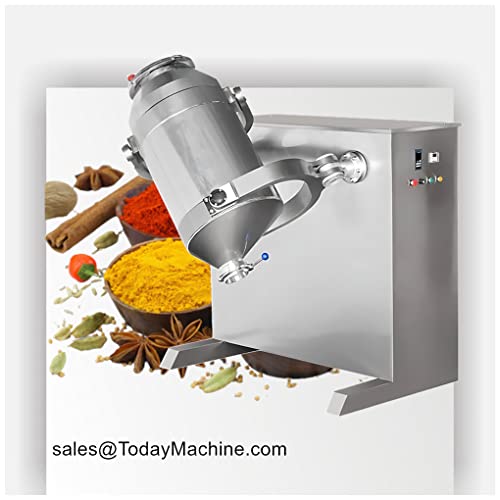
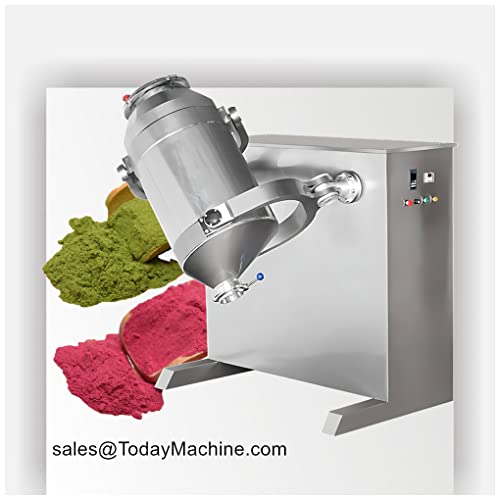
Automatic 3D Powder Blender Dry Powder Blending Machine
Practical helper for dry powder mixing workflows: compact, straightforward, and easy to integrate.
Disclosure: This article contains affiliate links. As an Amazon Associate, I earn from qualifying purchases.
Efficient dry powder mixing is crucial in many industries like pharmaceuticals, food production, cosmetics, and chemicals. Achieving a consistent blend ensures product quality and performance. The automatic 3D powder blender uses innovative motion dynamics to enhance the mixing process, making dry powder blending faster, more uniform, and adaptable to various materials. This guide explains the fundamentals of dry powder mixing, how to choose the right blender, step-by-step instructions, practical applications, and best practices so you can optimize your workflow.
Understanding Dry Powder Mixing and 3D Powder Blenders
What is Dry Powder Mixing?
Dry powder mixing is the process of combining multiple powdered materials to produce a homogeneous blend. It’s essential in formulations where uniformity affects the final texture, effectiveness, or safety of the product. Factors like particle size, density, and compatibility affect how well powders blend and require specialized equipment to prevent segregation or unevenness.
Why Use an Automatic 3D Powder Blender?
Traditional mixing methods often rely on simple tumbling or stirring, which may not uniformly distribute all components, especially when powders vary in shape or weight. A 3D powder blender moves the container simultaneously on dual axes, typically rotating and swinging in three-dimensional space. This complex motion promotes better mixing by:
- Thoroughly redistributing powders to eliminate clumps
- Reducing mixing time without heat or high shear
- Maintaining the integrity of sensitive materials
This method is especially valuable in industries requiring precise ingredient distribution.
Key Considerations When Choosing a 3D Powder Blender
When selecting an efficient powder mixer, consider these factors and how models like the Automatic 3D Powder Blender Dry Powder Blending Machine support them:
- Mixing Capacity: Choose a blender size suited for your batch volume; these mixers come in diverse capacities for minor or large-scale productions.
- Material Compatibility: Ensure the blender handles various powders, granules, or other particulate substances typically used in your field.
- Mixing Motion: Dual-axis rotation with horizontal swinging enables dynamic kinetics for better ingredient distribution.
- Control and Automation: Look for models offering customizable time settings and automation for consistent results and reduced manual labor.
- Ease of Cleaning: Consider equipment with user-friendly disassembly or material surfaces resistant to powder adherence.
- Safety Features: Check for secure locking and emergency stop functions for workplace safety.
The Automatic 3D Powder Blender Dry Powder Blending Machine excels by harmonizing these criteria, making it a versatile solution across pharmaceutical, food, chemical, and cosmetic sectors.
Step-by-Step Implementation Checklist for Dry Powder Mixing
- Preparation: Measure and prepare all dry powders and granules according to your formulation.
- Load the Blender: Place powders in the blending container, avoiding overfilling to allow effective mixing.
- Secure Container: Fasten the container tightly in the blender to prevent spillage during motion.
- Set Parameters: Choose appropriate blending time and motion settings based on material type and batch size.
- Start Mixing: Activate the blender to initiate the 3D kinetic motion—typically dual-axis rotation combined with horizontal swinging.
- Monitor Progress: Observe the blend periodically to ensure even distribution and prevent clumping.
- Unload: Once blending is complete, carefully remove the container and transfer the mixed powder for further processing or packaging.
- Clean Equipment: Clean the blender parts thoroughly to avoid cross-contamination for subsequent batches.

Practical Examples & Use Cases for 3D Powder Blenders
Industries and processes that benefit from automatic 3D powder blending include:
- Pharmaceuticals: Precise blending of medicinal powders ensures consistent dosage in capsules or tablets.
- Food Industry: Mixing spices, powdered ingredients, or supplements with uniform flavor and nutrition distribution.
- Chemical Manufacturing: Homogeneous blending of raw powders for compound formulations.
- Cosmetics: Creating consistent mixtures of powders used in makeup and skincare products.
- Research & Development: Small batch blending for pilot studies or quality testing.
This flexibility to handle a broad spectrum of materials—from fine powders to granules—is a strong feature of these 3D blenders.
Tips, Best Practices & Common Mistakes to Avoid
- Avoid Overloading: Overfilling can hinder motion and lead to uneven mixing.
- Material Compatibility: Verify powder properties (e.g., moisture, stickiness) and adjust blending time accordingly.
- Consistent Loading: Load batches consistently for repeatable results.
- Clean Thoroughly: Prevent cross-contamination by cleaning machine components meticulously after use.
- Monitor Blending Time: Too short might cause incomplete mixing; too long can cause material degradation.
- Check for Residue: Regularly inspect for residual powder accumulation that affects blending quality.
- Use Appropriate Containers: Use containers that match the blender’s design and material specifications.
Where Automatic 3D Powder Blender Dry Powder Blending Machine Fits Into Your Dry Powder Mixing Workflow
The Automatic 3D Powder Blender Dry Powder Blending Machine supports efficient dry powder mixing by providing:
- Innovative 3D kinetic motion with dual-axis rotation and horizontal swinging for thorough ingredient distribution
- Multiple size and capacity options for both small and large batches
- Compatibility with a wide range of powder and granule materials relevant to many industries
Good fit when you need:
- Homogeneous blending of fine powders or complex mixtures
- Reliable small batch or industrial-scale mixing
- Versatile equipment for pharmaceutical, food, chemical, or cosmetic product development
- Easy integration into automated or semi-automated production lines
- Dependable and consistent mixing with reduced manual effort
Automatic 3D Powder Blender Dry Powder Blending Machine
- Dual-axis rotational and horizontal movement dynamically mixes powders for even blend distribution
- Diverse sizes accommodate small research batches or large-scale production needs
- Compatible with powders, granules, and other particulate materials common in multiple industries
- User-friendly controls reduce manual intervention and improve reproducibility
- Compact design for easy integration into various workflows


FAQ About Dry Powder Mixing and 3D Powder Blenders
What types of powders can be mixed with a 3D powder blender?
3D powder blenders can handle a variety of powders and granules including pharmaceutical powders, food ingredients, cosmetics powders, and chemical powders.
How does the 3D motion improve mixing compared to traditional blenders?
The 3D motion combines rotation and swinging on multiple axes, preventing material segregation and clumping by continuously redistributing powders in complex motions.
What batch sizes are suitable for automatic 3D powder blenders?
These blenders come in various sizes suitable for small research batches up to large industrial volumes, offering flexibility across different production scales.
Are these blenders easy to clean and maintain?
Yes, most automatic 3D powder blenders are designed for easy disassembly and cleaning to maintain hygiene and prevent cross-contamination.
Can the blending time be adjusted?
Yes, blending parameters such as duration and speed are typically adjustable to optimize mixing for different materials and desired uniformity.
Conclusion
Efficient dry powder mixing is essential in many sectors to ensure consistency, quality, and performance of products. The automatic 3D powder blender offers a dynamic and effective blending process using dual-axis rotating and swinging motions. Its adaptability to various materials and batch sizes makes it a practical choice for both small-scale and industrial applications. By following the right procedures and best practices, you can elevate your powder mixing workflow efficiently and reliably.
Ready to optimize your dry powder mixing? Explore the full capabilities of this Automatic 3D Powder Blender Dry Powder Blending Machine and see how it fits your production needs.