


Average Lifespan of Different Filter Types
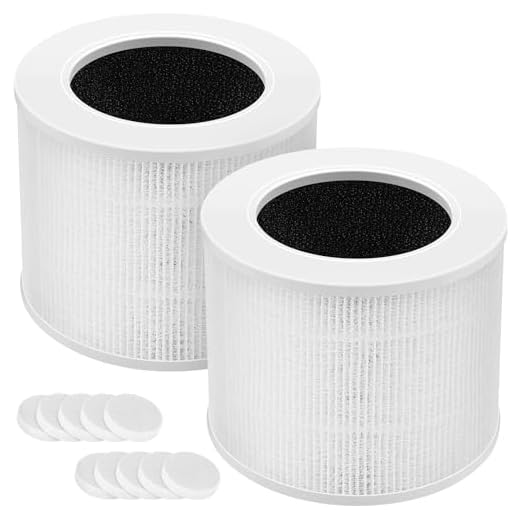
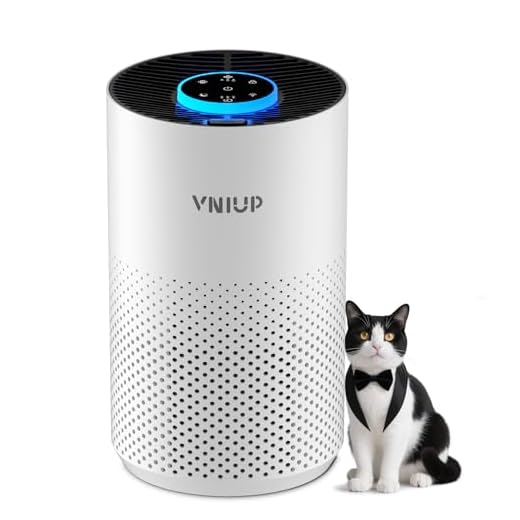
The lifespan of air purifier filters varies significantly based on their type and the conditions in which they are used. HEPA filters typically last between six months to two years, depending on air quality and usage frequency. These filters are designed to trap small particles, making them essential for capturing dust, pollen, and other allergens.
Activated carbon filters usually have a shorter lifespan, often needing replacement every three to six months. They are effective at absorbing odors and some chemicals, but their capacity to trap pollutants diminishes as they become saturated. Pre-filters, designed to capture larger particles, can last up to a year, depending on their maintenance and the initial dust levels in the environment. Regular assessments help ensure optimal performance from all types of filters.
HEPA, Activated Carbon, and Pre-Filters
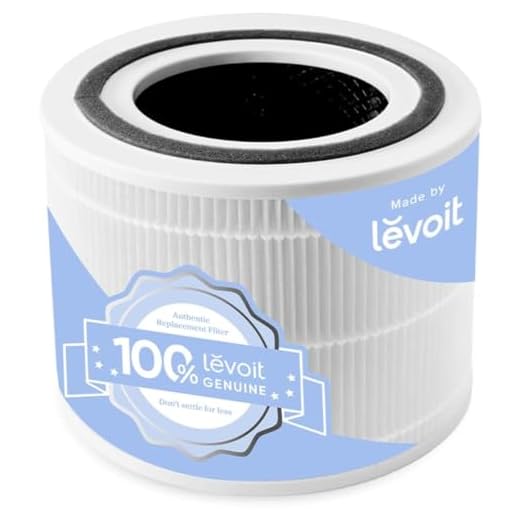
HEPA filters are known for their ability to capture tiny particles, including dust, pollen, and pet dander. Typically, these filters should be replaced every 12 to 18 months, but this can vary based on usage and specific environmental conditions. High levels of dust or allergens may necessitate more frequent changes to ensure optimal air quality.
Activated carbon filters excel at removing odors and VOCs from the air. They generally have a shorter lifespan and may need replacement every 3 to 6 months, particularly in spaces with significant pollutants. Pre-filters serve to catch larger particles before they reach the main filter, often extending its life. Regular cleaning and replacement of pre-filters can contribute to overall filter efficiency and improve air purification.
Best Practices for Maintaining Air Purifier Filters
To ensure optimal performance and longevity of air purifier filters, regular inspection is crucial. Checking filters for visible dust buildup or discoloration can indicate when they need attention. It’s beneficial to establish a maintenance schedule based on the manufacturer’s recommendations while also considering individual household conditions, such as the presence of pets or high dust levels.
Cleaning filters between replacements can extend their lifespan, particularly for pre-filters. Gently vacuuming the surface or using a soft brush can help remove trapped particles. Always refer to the user manual for specific cleaning instructions. This proactive approach contributes to maintaining air quality and reduces the frequency of complete replacements.
Regular Cleaning and Care Tips
Maintaining air purifier filters is essential for optimal performance and longevity. Regularly checking and replacing filters based on the manufacturer’s recommendations can prevent clogging and reduce noise levels. In addition, dust accumulation can hinder airflow, making the purifier work harder and increasing energy consumption. Ensuring that pre-filters are cleaned monthly can enhance their efficiency, allowing the HEPA and activated carbon filters to function effectively.
Cleaning the exterior of the air purifier is equally important. Wipe down the unit with a soft, damp cloth to remove dust and allergens. Ensure that the air intake and outlet are free from obstructions, as any buildup can restrict airflow. A thorough inspection of all components allows for early detection of wear and tear, which can help maintain optimal performance. Regular maintenance creates a healthier living environment and extends the life of the unit.
The Impact of Dust Levels on Filter Longevity
Dust levels in a home significantly influence how often air purifier filters need replacement. When dust accumulation is high, filters trap more particles, leading to quicker saturation. This results in reduced efficiency and air quality. In environments with elevated dust, such as near construction sites or rural areas, users might find themselves needing to replace filters more frequently.
The wear and tear on filters can also be exacerbated by seasonal changes. During spring and autumn, increased pollen and other allergens may contribute to heightened dust levels. Filters working overtime in these conditions may require closer monitoring. Users are advised to check their filters regularly to assess buildup and maintain optimal performance.
How Environment Affects Filter Wear
The environment plays a significant role in determining how quickly air purifier filters wear out. Areas with high levels of dust accumulation, such as regions near construction sites or unpaved roads, can lead to filters becoming clogged more rapidly. Additionally, living in an urban setting often exposes users to higher levels of pollutants and allergens, which can further diminish the efficiency of filters.
Indoor factors also contribute to filter longevity. Households with pets or smokers tend to see a faster deterioration of filters due to the additional contaminants introduced into the air. Humidity levels can also impact filter efficiency, as high moisture can promote mold growth and lead to a more rapid degradation of the filter material. Regular monitoring of air quality in these environments can help users determine when to replace filters more accurately.
FAQS
How often should I change my air purifier filters?
The frequency of filter replacement depends on the type of filter and usage. Generally, HEPA filters should be changed every 6 to 12 months, activated carbon filters every 3 to 6 months, and pre-filters every 1 to 3 months.
What factors affect the lifespan of air purifier filters?
The lifespan of air purifier filters can be influenced by factors such as the type of filter, the level of dust and pollutants in your environment, the frequency of use, and whether your air purifier has a pre-filter or not.
Can I clean my air purifier filters instead of replacing them?
Some filters, like pre-filters, can be washed or vacuumed, but HEPA and activated carbon filters typically need to be replaced once they are saturated or clogged, as cleaning them may not restore their effectiveness.
How can I tell if my air purifier filter needs to be replaced?
Indicators that your air purifier filter needs replacement include reduced airflow, a change in noise levels, or a visible buildup of dust and debris on the filter itself. Some air purifiers also have filter replacement indicator lights.
Are there any best practices for maintaining air purifier filters?
Yes, best practices include regularly vacuuming or washing pre-filters, following the manufacturer’s recommendations for filter replacement, and keeping the air purifier in a clean environment to reduce the amount of dust and pollutants it has to filter.

