


Maintenance and Operational Costs
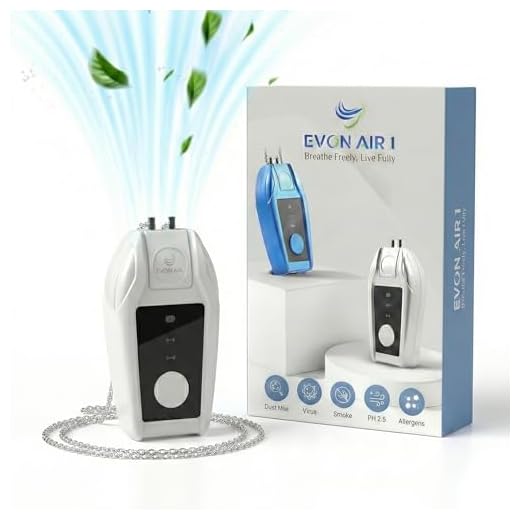
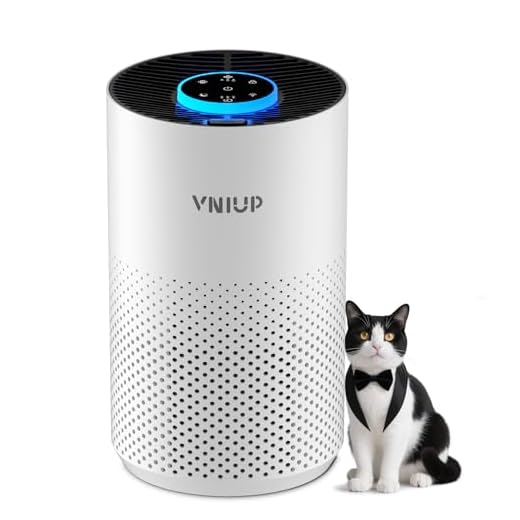
Air purifiers can bring a range of benefits, but they also come with certain maintenance and operational costs that users should consider. The frequent need for filter replacements can add up, especially if the unit requires specific or high-efficiency filters. Depending on the model, these filters can range from affordable to quite pricey, and some may require replacement every few months, leading to ongoing expenses. Energy consumption is another factor; while most purifiers are energy-efficient, running one continuously can still contribute to higher utility bills over time.
Regular maintenance is essential to ensure the device operates effectively. Dust accumulation, dirt, and other obstructions can impair airflow and performance, necessitating periodic cleaning. This can require additional time and effort, adding to the overall commitment of owning an air purifier. As users factor in these costs and responsibilities, it becomes clear that while air purifiers can aid in enhancing indoor air quality, they also necessitate financial and time investments to maintain their efficacy.
Filter Replacement Frequency
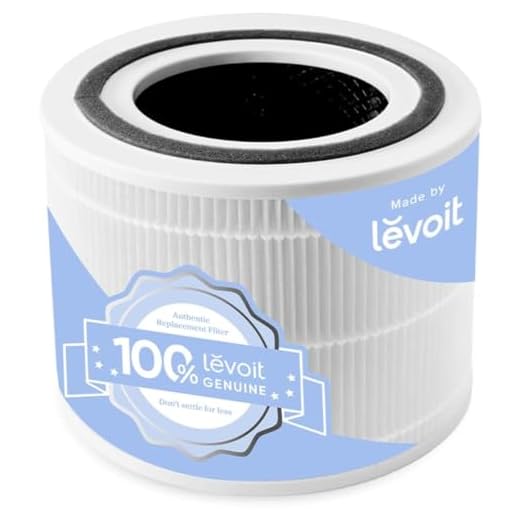
Air purifiers rely on filters to capture airborne particles effectively. The lifespan of these filters varies based on the type of purifier, usage frequency, and air quality in the environment. Most manufacturers recommend replacing HEPA filters every 6 to 12 months. Activated carbon filters may need to be replaced more frequently, depending on pollution levels and odor control needs.
Neglecting to change filters can lead to decreased efficiency and even cause pollutants to recirculate in the air. Routine maintenance becomes essential to ensure that the air purifier functions optimally. Keeping track of filter replacement schedules is vital for homeowners wishing to maximize the benefits of their air purification systems. Regularly inspecting the condition of filters can help in determining the best replacement intervals.
Limitations in Air Purification
Air purifiers can improve indoor air quality, but their effectiveness has its limitations. While they are capable of removing many airborne particles like dust, pollen, and pet dander, they cannot eliminate every type of contaminant. Gases, vapors, and certain volatile organic compounds may not be adequately addressed by all units. This limitation can create a false sense of security regarding air quality, especially for those living in urban areas where pollutants may be more diverse.
Another aspect to consider is the size and layout of the space where the air purifier operates. Some units may struggle to purify air effectively in larger rooms or spaces with poor airflow. This variability can lead to inconsistent clean air distribution. Additionally, the placement of the device can influence its performance. If blocked or placed near walls or furniture, its ability to circulate and filter the air can be significantly compromised.
Addressing Specific Pollutants
Air purifiers are designed to tackle a range of airborne contaminants. However, their efficacy can vary significantly depending on the technology used and the specific pollutants present in the environment. For instance, HEPA filters are highly effective at trapping particulate matter like dust and pollen, while activated carbon filters are better suited for absorbing odors and volatile organic compounds. Certain advanced models incorporate UV light to neutralize bacteria and viruses, yet not all pollutants may be adequately addressed by these devices.
Individuals with specific sensitivities may find that air purifiers don’t completely alleviate their issues. Some purifiers may not capture smaller particles or gases, potentially allowing allergens such as pet dander or smoke to remain in the air. Furthermore, reliance on air purifiers can lead to a false sense of security, causing some to overlook other essential measures, such as regular cleaning and proper ventilation, which are also vital for maintaining indoor air quality.
Impact on Allergies and Asthma
Many individuals rely on air purifiers with the expectation that these devices will alleviate their allergy and asthma symptoms. Multiple studies suggest that air purifiers can reduce airborne allergens such as pollen, dust mites, and pet dander. Improved indoor air quality may lead to fewer triggers for individuals with respiratory conditions. However, not all users report significant benefits, as the effectiveness of air purifiers often depends on factors such as the type of pollutants present and the specific model used.
Some people may find that their symptoms persist despite using these devices. Inconsistent performance can be attributed to variables like the size of the room and the purifier’s capacity. Additionally, while air purifiers can filter some airborne irritants, they do not address all potential allergen sources, such as mold growing on surfaces or pollen entering through open windows. As a result, a holistic approach to managing allergies and asthma may still be necessary for many individuals.
Mixed Results in Symptoms Relief
Individual responses to air purifiers can vary significantly. Some users report a noticeable reduction in allergy and asthma symptoms after incorporating purifiers into their homes. These devices may reduce particulate matter and other airborne irritants, creating a more comfortable breathing environment for some individuals. However, others do not experience any substantial change in their symptoms despite regular use of air purifiers.
Research on the effectiveness of air purifiers in alleviating respiratory issues presents mixed findings. While certain studies suggest that high-efficiency particulate air (HEPA) filters can enhance air quality and lead to symptom relief, other investigations show minimal impact on overall health improvements. This inconsistency often leaves consumers questioning whether investing in an air purifier will deliver the health benefits they anticipate.
FAQS
What are the maintenance costs associated with air purifiers?
Maintenance costs for air purifiers generally include filter replacements, which can vary in price depending on the model. Additionally, there may be costs for cleaning the unit and ensuring it operates efficiently.
How often do air purifier filters need to be replaced?
Filter replacement frequency can vary by model and usage, but most HEPA filters should be replaced every 6 to 12 months, while activated carbon filters may need replacing every 3 to 6 months.
Are air purifiers effective against all types of pollutants?
No, air purifiers have limitations and may not be effective against all pollutants. For instance, some purifiers may not effectively remove gases or volatile organic compounds (VOCs) without specialized filters.
Can air purifiers help with allergy symptoms?
Air purifiers can help reduce certain allergens like dust, pollen, and pet dander, but results can vary. Some users report mixed results in symptom relief, as individual sensitivities may differ.
Do air purifiers consume a lot of electricity?
Most air purifiers are designed to be energy-efficient, but the power consumption can vary by model. It’s advisable to check the energy rating and specifications of the purifier to estimate its operational costs.
Related Links
How Do Air Purifiers Work?
Is sleeping with an air purifier good?
Do air purifiers actually clean the air?

