



Different Bread Machine Settings
Bread machines typically come with several preset options for various types of bread. These settings usually include options like basic white, whole wheat, gluten-free, and even rapid or express cycles. Each program tailors the kneading, rising, and baking times specific to the ingredients used, ensuring that the bread achieves the desired texture and flavor. The machine intelligently adjusts the temperature and timing according to the selected setting, helping to simplify the entire process for users.
In addition to preset programs, many machines offer customizable settings for those who want more control over the baking process. This includes adjusting the crust color, which can range from light to dark, depending on personal preference. Some models allow users to modify kneading times or add ingredients in separate cycles, accommodating recipes that require unique handling. By understanding and utilizing these various settings, bakers can experiment and create a variety of bread types suited to their tastes.
Customizing Your Baking Experience
Bread machines offer various settings that allow users to customize the baking process to suit their preferences. The options usually include different loaf sizes, crust darkness levels, and settings for specific types of bread, such as gluten-free or whole grain. Adjusting these settings can greatly affect the final product, allowing for a tailored baking experience. Experimentation with these features can lead to discovering the perfect combination of ingredients and methods that cater to individual tastes.
Users can also take advantage of delay timers and specialty cycles that further enhance the customization process. A delay timer allows for ingredients to be added in the evening, ensuring freshly baked bread is ready in the morning. Specialty cycles, such as for jam or dough, expand the machine’s versatility beyond traditional bread-making. By understanding and utilizing these features, bakers can explore a wide range of possibilities, making each loaf a unique creation.
Troubleshooting Common Issues
Baking bread at home can be a delightful experience, but it does come with its share of challenges. One common issue is when the bread fails to rise properly. This problem may stem from expired yeast or incorrect water temperatures. Yeast thrives in warm environments, so using cold or excessively hot water can prevent it from activating. Another factor might be the type of flour used. High-protein flours usually yield better results for yeast bread as they provide the necessary gluten structure.
Another frequent challenge arises when bread ends up too dense or heavy. This can result from using too much flour or not kneading the dough sufficiently. An overabundance of flour leads to a dry mixture, affecting the bread’s texture. Adjusting the flour-to-water ratio could rectify this issue. Additionally, ensuring that the ingredients are added in the right order is essential for optimal mixing and rising. Regularly checking the user manual for specific troubleshooting advice can also help in resolving these common baking dilemmas.
Identifying and Fixing Dough Problems
Dough inconsistencies can arise from various factors, making it vital to identify potential issues early in the process. A dough that is too sticky may indicate excess moisture or insufficient flour. Conversely, if the dough is too dry, it can lead to bread that lacks proper texture and rise. Assessing the consistency during mixing and kneading allows for necessary adjustments to the recipe.
During the baking phase, signs of undercooked or overcooked bread can often be traced back to the dough’s initial condition. If the dough didn’t rise adequately, checking the temperature of the ingredients may reveal that colder elements slowed yeast activity. Over-kneaded dough can also result in a dense loaf. Monitoring these factors can help in troubleshooting and achieving the desired bread quality.
Cleaning and Maintenance Tips
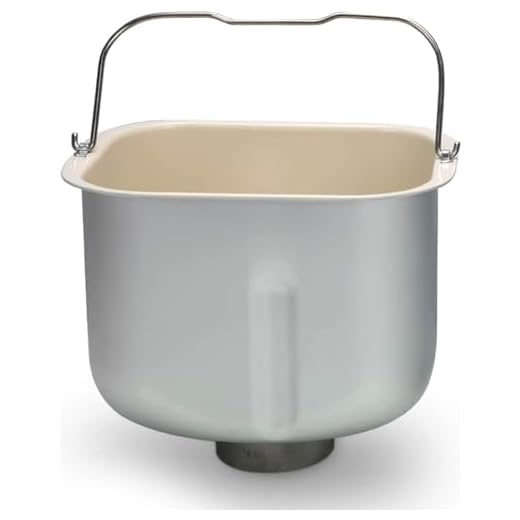
To ensure optimal performance, regularly clean the bread machine after each use. Begin by unplugging the device to ensure safety. Remove the bread pan and kneading blade for thorough cleaning. Both components can be washed with warm soapy water. Avoid using abrasive sponges, as they might scratch the surfaces. Make sure to dry all parts completely before reassembling them to prevent rust or mold growth.
Maintaining the exterior of the bread machine is equally important. Wipe the outer surfaces with a damp cloth to remove any dust or spills. Be cautious not to let moisture seep into the ventilation openings. Occasionally check the power cord for any signs of wear or damage; this is crucial for your safety and the machine’s longevity. Following these simple maintenance tips can enhance the life of your bread machine, ensuring it remains a reliable kitchen companion.
Keeping Your Bread Machine Functioning
Regular cleaning of your bread machine will ensure its longevity and optimal performance. Start by unplugging the machine before any maintenance. Remove the bread pan and kneading blade, as these areas often accumulate flour and crumbs. Use a damp cloth to wipe down the interior of the machine. Pay special attention to the heating element, as any residue may affect baking results. Let all components dry completely before reassembling to prevent moisture buildup.
In addition to cleaning, monitoring the condition of the pan and kneader is essential. Over time, these parts may wear out due to frequent use. Check for scratches or signs of wear that could impact baking. If the non-stick coating deteriorates, it might be time for a replacement. Keeping a close eye on these components can prevent future issues and maintain consistent baking quality. Regular maintenance will help you enjoy perfect loaves for years to come.
FAQS
What are the different settings available on a bread machine?
Bread machines typically have settings for different types of bread, such as white, whole wheat, and gluten-free, along with options for crust color, dough-only, and rapid baking. Each setting adjusts the kneading, rising, and baking times.
Can I customize my bread machine recipes?
Yes, many bread machines allow you to customize your baking experience by adjusting ingredients, using different flour types, or modifying the amount of yeast, salt, and sugar to suit your taste preferences.
What should I do if my bread machine dough is too sticky?
If your dough is too sticky, you can add a little more flour, one tablespoon at a time, until the dough reaches the desired consistency. Make sure to check the recipe guidelines for the correct flour-to-liquid ratio.
How often should I clean my bread machine?
It is recommended to clean your bread machine after each use, focusing on the pan, kneading blade, and the inner surfaces. Regular maintenance helps prevent buildup and ensures optimal performance.
What are some common problems that can occur with bread machines?
Common issues include uneven baking, dough not rising properly, and bread having a dense texture. Identifying the specific problem can help in making necessary adjustments to the ingredients or settings.