


Maintenance of Air Purifiers with Ionizers
Proper maintenance is crucial for the effective operation of air purifiers that include ionizers. Regular cleaning of the unit ensures that dust and other particulates do not hinder performance. The ionization process generates charged particles that can attract allergens. These particles require periodic removal to maintain optimal air quality.
Replacement of filters and ionizer components is equally important. Filters should be changed according to the manufacturer’s recommendations to ensure efficiency. Neglecting to replace these parts can lead to reduced air purification capabilities over time. Users should also monitor the ionizer’s performance, as wear and tear may affect its ability to reduce airborne contaminants.
Regular Cleaning and Replacement Needs
Air purifiers equipped with ionizers require regular maintenance to ensure optimal performance. The ionizing plates or rods can accumulate dust and other particles over time, which may hinder their effectiveness. It’s essential to follow the manufacturer’s guidelines on how often to clean these components. Users should also be aware of the specific cleaning process, as improper handling can damage the ionizer or reduce its efficiency.
In addition to cleaning, replacement of certain parts is necessary as they wear out. Some ionizers have replaceable filters or components that depend on the model. Keeping track of these schedules can help maintain air quality and prolong the lifespan of the device. Neglecting maintenance tasks may lead to decreased performance, and some users may find that the cost of frequent replacements can offset initial energy savings.
Energy Consumption of Ionizers
Ionizers are known for their ability to enhance air purification by emitting negatively charged ions that attach to airborne particles. While this process can help in reducing pollutants, it does come with its own energy demands. The power consumption of an ionizer largely depends on its design and the specific technology used. Most modern ionizers are designed to be energy-efficient and typically consume less power than traditional air purifiers, making them a viable option for those concerned about electricity costs.
However, it is essential to consider the overall operational costs beyond just energy consumption. Ionizers often operate continuously, which can lead to increased electricity bills if not managed properly. Additionally, some ionizers require regular maintenance to function efficiently, which might involve aspects that can also impact total energy usage. Understanding these factors helps users make informed decisions regarding the long-term costs associated with running an air purifier with an ionizer.
Cost Considerations and Efficiency
The initial investment for an ionizing air purifier can be higher compared to standard models. These devices often incorporate advanced technology, which contributes to the overall cost. However, while the upfront expense may be significant, energy efficiency can mitigate long-term expenses. Users might notice reductions in their electricity bills, especially with high usage, as ionizers tend to operate effectively without requiring as much power as conventional systems.
Maintenance costs should also be factored into the overall evaluation of ionizer-equipped air purifiers. Replacement parts, such as filters, can add to the financial commitment over time. Some ionizers may produce ozone as a byproduct, necessitating additional caution and possibly leading to extra costs linked to air quality management. Evaluating these factors can provide a clearer picture of the effectiveness and economic sustainability of investing in an ionizer for your air purification needs.
User Experiences and Reviews
Many users have shared their thoughts on the effectiveness of ionizers in air purifiers. Some find that these devices significantly reduce dust and allergens in their homes. Positive feedback often highlights improvements in air quality and a noticeable decrease in respiratory issues. Users appreciate how ionizers can enhance the overall performance of their purifiers, creating a fresher environment.
Conversely, some reviews express concerns about ozone generation associated with certain ionizers. Those individuals report experiencing headaches or respiratory discomfort after prolonged exposure. The mixed feedback suggests that personal experience can vary significantly, indicating the importance of choosing the right product and understanding how it may affect individual sensitivities.
Real-world Feedback on Ionizer Performance
Many users report mixed experiences with ionizers in air purifiers. Some appreciate the reduction in airborne particles such as dust and pollen, noticing a significant improvement in their indoor air quality. Others express concerns about the potential for ozone production, leading to possible respiratory issues. Feedback often highlights the effectiveness of ionizers in environments with higher levels of pollutants, but users also emphasize the importance of regular maintenance to ensure optimal performance.
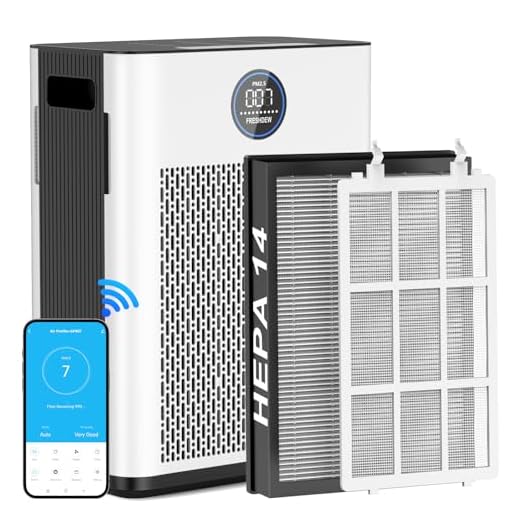
Reviews often mention the ease of use associated with devices featuring built-in ionizers. Users find the convenience appealing, as they can enjoy enhanced air purification without additional steps. However, some individuals suggest that while ionizers can aid in air purification, they should not replace standard filtration methods. Many advocate for a combination of HEPA filters and ionizing features to achieve the best results in maintaining air cleanliness.
FAQS
What is an ionizer in an air purifier?
An ionizer is a component in an air purifier that releases negatively charged ions into the air. These ions attach to airborne particles, causing them to clump together and fall from the air or be trapped by the purifier’s filters.
Are there any health benefits to using the ionizer feature?
Some users believe that ionizers can help reduce allergens and dust in the air, potentially leading to better respiratory health. However, scientific evidence on the long-term health benefits is limited, and some ionizers may produce ozone, which can be harmful at high levels.
How often should I clean the ionizer in my air purifier?
The cleaning frequency can vary based on usage and the manufacturer’s guidelines. Generally, it is recommended to clean the ionizer every few weeks or as specified in the user manual to maintain optimal performance.
Do ionizers consume a lot of energy?
Ionizers typically consume a relatively low amount of energy compared to other appliances. However, it’s advisable to check the specifications of your specific air purifier model for precise energy consumption data.
What do users generally think about the effectiveness of ionizers in air purifiers?
User experiences vary; while some report significant improvements in air quality and reduced allergens, others may not notice a substantial difference. Reviews often highlight the importance of regular maintenance for optimal performance.

