

Ideal Use Cases for Ionizers
Ionizers can be particularly beneficial in environments where airborne particles such as smoke, dust, and pollen are prevalent. These devices release negatively charged ions, which attach to positively charged contaminants. This process causes the particles to clump together and settle out of the air, improving overall air quality. They are often favored in spaces like homes with heavy traffic, areas near construction sites, or environments that experience frequent outdoor allergens.
Another ideal scenario for using ionizers involves conditions that require quick odor neutralization. The technology effectively reduces odors from cooking, pets, or other sources by targeting the molecules responsible for unpleasant smells. Ionizers can be advantageous in basements or spaces with musty odors. Although they may not capture all particles as effectively as HEPA filters, their ability to minimize odors while producing minimal maintenance needs makes them a suitable choice for specific contexts.

When to Choose an Ionizer
Ionizers can be particularly beneficial in environments where particulate pollutants are prevalent. For example, if you live in an area with high pollen counts or near a heavily trafficked road, an ionizer can help reduce airborne particles. They function by emitting charged ions that attach to pollutants, causing them to clump together and settle out of the air. This property makes ionizers particularly useful in spaces where traditional filtration may be less effective.
Choosing an ionizer may also be advantageous if you’re seeking a quieter air purification solution. Many ionizers operate silently compared to HEPA purifiers, which often rely on fans to circulate air through filters. This characteristic makes ionizers suitable for bedrooms or offices where noise levels must be kept low. Additionally, they usually require less frequent maintenance, as there are no filters to replace.
Best Situations for HEPA Air Purifiers
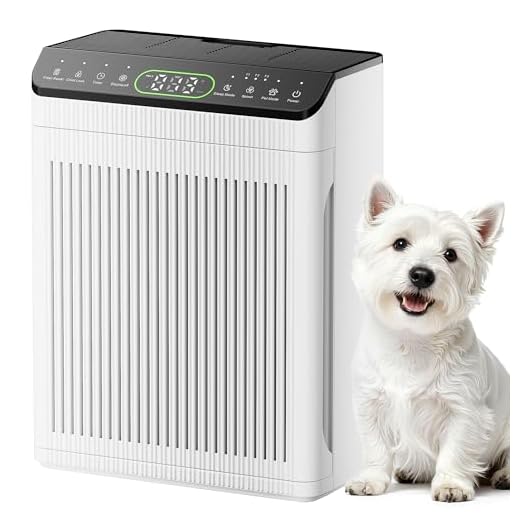
HEPA air purifiers excel in environments where allergens and particulate matter pose significant health risks. They are particularly effective in homes with pets, as they trap pet dander and hair, providing relief for allergy sufferers. Additionally, individuals living in urban areas or near high-traffic zones benefit from HEPA filters, which can remove fine pollutants like dust and smoke. Environments such as hospitals, clinics, and laboratories also leverage HEPA technology to maintain high air quality standards, reducing the risk of infection and ensuring a safer atmosphere.
In settings where maintaining a clean air supply is critical, HEPA air purifiers shine. They are ideal for people with respiratory conditions such as asthma or chronic obstructive pulmonary disease (COPD), as HEPA filters can capture up to 99.97% of particles as small as 0.3 microns. Furthermore, use in bedrooms can enhance sleep quality by reducing allergens that might trigger nighttime symptoms. Schools and daycare centers are another prime application, ensuring that children are in healthier air, free from contaminants that could affect their well-being and focus.
Optimal Environments for HEPA Efficiency
HEPA air purifiers perform best in environments where airborne allergens and particles are prevalent. Homes with pets, significant dust accumulation, or high levels of pollen benefit greatly from their filtration capabilities. These purifiers efficiently capture fine particles, including pet dander, mold spores, and dust mites, making them ideal for allergy sufferers. Their effectiveness is particularly notable in enclosed spaces where air circulation might be limited, allowing for thorough purification.
In addition, HEPA air purifiers prove advantageous in settings like offices or classrooms, where many individuals gather. These spaces often harbor various contaminants, including bacteria and viruses. With their ability to remove airborne impurities, HEPA filters contribute to healthier indoor air quality. Moreover, using them consistently helps maintain a more sanitary environment, reducing the likelihood of illness among occupants.
Cost Comparison of Ionizers vs HEPA Purifiers
When evaluating the financial aspects of ionizers and HEPA air purifiers, initial purchase prices vary significantly. Ionizers tend to be more affordable upfront, making them attractive for budget-conscious consumers. However, it’s essential to factor in maintenance costs. Ionizers may require less frequent filter replacements. Eventually, users might find that the cumulative expenses for upkeep can fluctuate based on usage.
In contrast, HEPA purifiers generally demand a higher initial investment but are designed for longevity and efficiency. Filters for these units often need replacing periodically, which can add to the long-term costs. Yet, the efficiency of HEPA filters in capturing particles like allergens and pollutants makes them a worthwhile investment in certain scenarios. Consumers must consider their specific air quality needs and the associated costs over time when choosing between the two options.
Analyzing Long-Term Investment
The analysis of long-term investment in air purification technology reveals distinct financial considerations between ionizers and HEPA filters. Ionizers often have lower upfront costs, making them attractive for immediate affordability. However, potential buyers should factor in the need for regular maintenance and the cost of replacement parts, which can accumulate over time. Additionally, the effectiveness of ionizers in certain environments may influence long-term satisfaction and perceived value.
In contrast, HEPA air purifiers typically require a more significant initial investment due to their advanced filtration systems. They tend to offer longer lifespans with consistent performance, especially in removing particulate matter. Over time, the durability and efficiency of HEPA filters can justify the higher initial price. Understanding how each option aligns with personal needs and budget will be essential for making a well-informed decision on air purification.
FAQS
What is the main difference between ionizers and HEPA air purifiers?
The main difference is that ionizers use charged particles to attract and trap pollutants, while HEPA air purifiers use a dense filter to physically capture particles, including dust, pollen, and pet dander.
Are ionizers effective at removing allergens from the air?
Ionizers can help reduce airborne allergens by charging particles, causing them to clump together and settle, but they may not be as effective as HEPA filters in capturing a wide range of allergens.
Can HEPA air purifiers remove odors?
HEPA air purifiers are primarily designed to capture particulate matter and are not specifically designed to remove odors. However, some models come with additional activated carbon filters that can help eliminate odors.
Which type of air purifier is better for asthma sufferers?
HEPA air purifiers are generally recommended for asthma sufferers as they effectively trap fine particles and allergens that can trigger asthma symptoms, while ionizers may not provide the same level of protection.
How do the costs of ionizers compare to HEPA air purifiers?
Generally, ionizers tend to be less expensive upfront than HEPA air purifiers, but HEPA purifiers often have lower long-term costs due to their effectiveness and minimal need for frequent maintenance or filter replacement.

