


Impact on Regular Dust
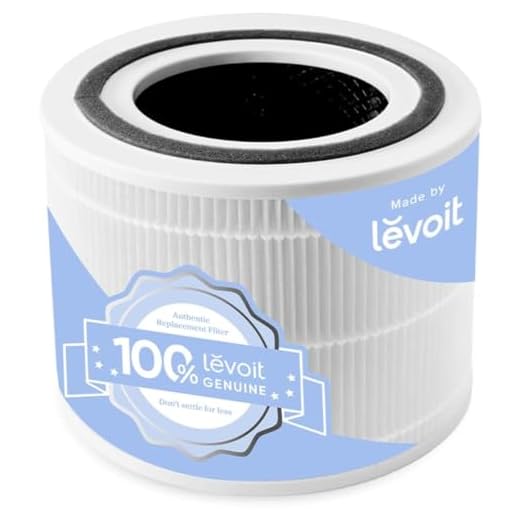
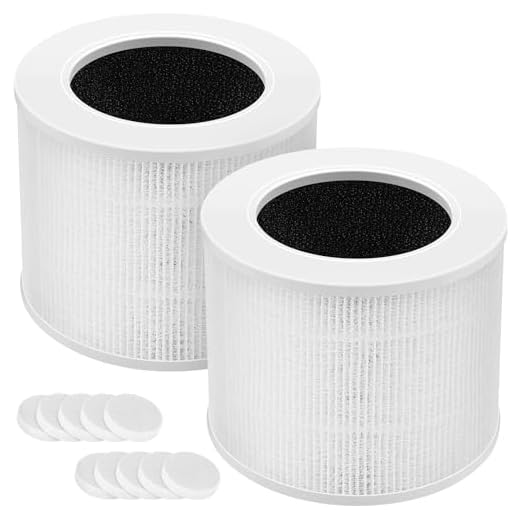
Air purifiers can play a significant role in reducing the presence of regular dust in indoor environments. They work by capturing dust particles in their filters, which prevents them from circulating back into the air. Many modern air purifiers employ High-Efficiency Particulate Air (HEPA) filters, designed to trap allergens and particles as small as 0.3 microns. This efficiency means that they can effectively reduce the amount of dust settling on surfaces and being inhaled, creating a cleaner air quality for occupants.
In homes with high levels of dust, such as those in urban areas or around construction sites, an air purifier can make a noticeable difference. Regular use helps to maintain lower levels of airborne dust, contributing to a healthier living environment. While these devices may not eliminate all dust, their impact on overall airborne particulate matter can significantly improve indoor air quality, benefiting those with allergies or respiratory concerns.
Can Air Purifiers Significantly Reduce Regular Dust?
Air purifiers can play a crucial role in managing the amount of regular dust present in indoor environments. These devices work by drawing in air, filtering out particles, and releasing cleaner air back into the room. Depending on their specifications, many air purifiers effectively capture large dust particles, pollen, and other allergens, which can contribute to a clearer and more breathable living space. The degree to which they reduce dust often depends on the filter type and the unit’s airflow capacity.
However, it is important to recognize that air purifiers are not a complete solution for dust control. Regular cleaning practices, such as vacuuming and dusting, remain essential in minimizing dust accumulation. While air purifiers can assist in reducing airborne particles, they cannot eliminate surface dust that settles on furniture and other areas. Therefore, combining the use of an air purifier with proper cleaning routines can lead to better overall dust management in homes.
Choosing the Right Air Purifier
Selecting the appropriate air purifier is crucial for achieving the best results in improving indoor air quality. Consider the size of the area where the purifier will be used, as units are designed for specific square footage. A model with a higher Clean Air Delivery Rate (CADR) rating is ideal for effectively filtering particles such as dust and allergens. Additionally, look for filters with a HEPA rating, as they can capture 99.97% of particles that are 0.3 microns in size, including dust mites.
Researching features that cater to specific needs can further enhance the benefits of an air purifier. Some models come equipped with additional functionalities like UV light for bacterial elimination or activated carbon filters for odor reduction. Noise levels and energy efficiency are also important factors to consider, ensuring the device operates quietly and does not consume excessive power. Prioritizing these elements will assist in choosing a purifier that adequately addresses dust and allergens while fitting seamlessly into your living space.
Key Features to Consider for Allergy Relief
When selecting an air purifier for allergy relief, consider the type of filtration it employs. HEPA filters are essential, as they can trap small particles, including pollen, pet dander, and dust mites. Look for a model that captures particles as small as 0.3 microns, ensuring a higher level of purity in the air you breathe. In addition, check the Clean Air Delivery Rate (CADR) of the purifier, which indicates how quickly and effectively it can filter the air in a given space.
Another important feature is the presence of activated carbon filters. These filters complement HEPA systems by absorbing odors and harmful volatile organic compounds (VOCs), providing additional support in maintaining a clean air environment. Noise levels can also affect your comfort, so select a unit that operates quietly, particularly if it will be used in bedrooms or other quiet spaces. Lastly, consider smart technology features that allow for remote control and air quality monitoring, enhancing convenience and ensuring optimal performance.
Maintenance of Air Purifiers
Regular maintenance is essential for ensuring that air purifiers operate efficiently. This includes checking and replacing filters according to the manufacturer’s guidelines. Clogged or dirty filters can restrict airflow and reduce the effectiveness of the unit. Cleaning the pre-filters, if applicable, is another important step. Dust and debris can accumulate, hampering performance and potentially leading to the growth of mold and bacteria.
In addition to filter maintenance, it is beneficial to regularly wipe down the exterior of the unit. Dust and grime can build up on surfaces and impact airflow. Keeping the surrounding area clean will also contribute to the air purifier’s overall efficiency. Ensuring that the unit is positioned correctly, away from obstructions, maximizes its ability to circulate and filter air effectively.
How to Keep Your Air Purifier Functioning Optimally
Regular maintenance is essential to ensure the air purifier operates efficiently. This includes changing the filters according to the manufacturer’s schedule. Some units may have indicators that signal when it’s time to replace a filter, while others require manual tracking. Keeping the unit clean, including wiping down surfaces and removing dust buildup, also plays a significant role in its effectiveness.
Positioning the air purifier correctly enhances its performance. It should be placed in areas where airflow is unimpeded, avoiding corners or heavy furniture obstructions. Maintaining a consistent air circulation pattern allows the purifier to capture more particles and improve overall indoor air quality. Regularly checking and cleaning the unit’s intake and exhaust vents contributes to optimal functionality as well.
FAQS
Do air purifiers help with dust mites?
Yes, air purifiers can help reduce dust mites by filtering out airborne particles, including the allergens that dust mites produce.
Can air purifiers significantly reduce regular dust?
Yes, air purifiers can significantly reduce regular dust by trapping dust particles in their filters, leading to cleaner air in your home.
What key features should I look for in an air purifier for allergy relief?
Look for features such as HEPA filters, activated carbon filters, and sufficient Clean Air Delivery Rate (CADR) for your room size to effectively combat allergens.
How often should I maintain my air purifier?
It’s recommended to check and replace filters according to the manufacturer’s guidelines, typically every 6 months to a year, depending on usage and air quality.
Do all air purifiers work the same way?
No, different air purifiers use various technologies such as HEPA filtration, UV light, or ionizers, and their effectiveness can vary based on these technologies and the specific pollutants they target.
Related Links
Do Air Purifiers Help with Dust?
Simple Ways to Improve Air Quality in Home (With and Without Purifiers)
Filter Replacement Guide: How Often to Change Air Purifier Filters for Dust Control

