


Using Essential Oils and Natural Scents
Incorporating essential oils and natural scents into your home can significantly enhance the air quality while providing a pleasant atmosphere. Many essential oils, such as lavender, eucalyptus, and lemon, boast antimicrobial properties that can help purify the air. Diffusing these oils can create an inviting aroma while also serving as a natural way to reduce airborne pathogens and allergens.
For those who prefer to avoid artificial fragrances, using natural sources of scent can be an effective choice. Fresh herbs, citrus peels, or even simmering spices on the stove can introduce a delightful fragrance without the negative effects of synthetic additives. These options not only improve the air quality but also make your living space feel fresher and more welcoming.

Safe Ways to Freshen Air Without Chemicals
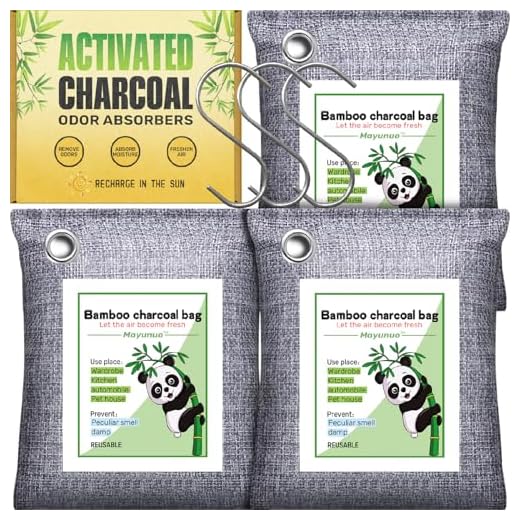
Natural alternatives can effectively improve indoor air quality without introducing harsh chemicals. Citrus peels can be used to provide a fresh scent. These peels release essential oils, creating a pleasant aroma that revitalizes the atmosphere. Another option is placing bowls of baking soda or activated charcoal around your home. Both of these substances can absorb unwanted odors, helping to maintain a cleaner air environment.
Herbs and spices also serve as wonderful natural fresheners. Placing sprigs of rosemary or mint in small vases can infuse rooms with their delightful fragrances. Boiling a pot of water with cinnamon sticks or cloves can create a warm, inviting scent that lingers. Utilizing these simple methods allows for a more pleasant home environment without relying on synthetic air fresheners.
Limiting Use of Aerosol Products
Many common household products come in aerosol forms, releasing chemicals into the air that can negatively impact indoor air quality. Products like air fresheners, cleaning sprays, and even hair sprays may contribute to respiratory issues and allergic reactions. Opting for alternatives or limiting usage can significantly reduce the number of harmful substances in your home.
There are various effective substitutes for aerosol products that provide similar benefits without compromising air quality. For example, consider using pump sprays for cleaning and creating your own natural air fresheners using essential oils and water. By being mindful of the products you bring into your living space, you can create a healthier environment for yourself and your family.
Alternatives for Common Household Items
Many common household items contain chemicals that can contribute to poor air quality. Instead of using synthetic fragrances in air fresheners, consider using baking soda or essential oils mixed with water in a spray bottle. Vinegar serves as an effective cleaner that can eliminate odors and disinfect surfaces without releasing harmful compounds into the air. For laundry, opting for unscented or plant-based detergents can also be beneficial in reducing indoor pollutants.
When it comes to cleaning products, look for those labeled as ‘green’ or ‘eco-friendly’. These items typically avoid harsh chemicals and utilize natural ingredients. You can also create your own cleaning solutions using ingredients like lemon juice, olive oil, and vinegar, which are effective yet safe for both the environment and your indoor air quality. Additionally, consider substituting conventional candles with soy or beeswax alternatives to minimize pollution from soot and synthetic fragrances.
Keeping Humidity Levels in Check
Maintaining proper humidity levels is essential for creating a healthy indoor environment. Excess humidity can lead to mold growth, dust mites, and allergens, which can aggravate respiratory issues. Ideally, indoor humidity should be kept between 30% and 50%. Regularly monitoring humidity levels using a hygrometer allows homeowners to take necessary actions when fluctuations occur.
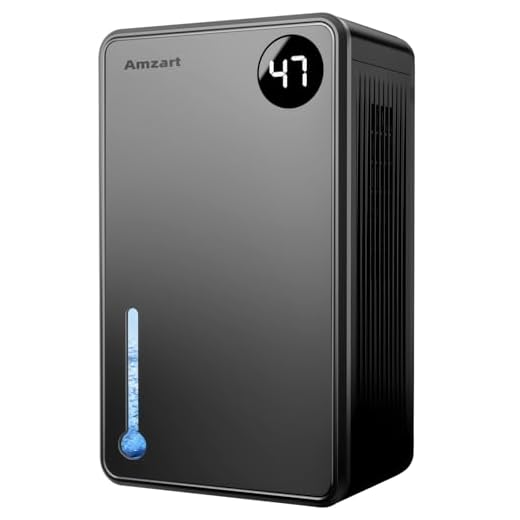
Using dehumidifiers in damp areas like basements can effectively combat excess moisture. Conversely, in dry climates or during winter months, humidifiers can add necessary moisture to the air, preventing dryness that can irritate skin and airways. Both devices can be valuable tools in achieving optimal humidity levels, contributing to overall air quality and comfort in the home.
The Role of Dehumidifiers and Humidifiers
Maintaining an optimal humidity level in your home is crucial for ensuring both comfort and air quality. Dehumidifiers help reduce excess moisture in the air, which can prevent the growth of mold and mildew. High humidity levels can lead to a host of health problems, particularly for individuals with allergies or asthma. By using a dehumidifier in damp areas, such as basements or bathrooms, the air becomes more comfortable and breathable, promoting overall well-being.
On the other hand, humidifiers play a vital role in adding moisture back into dry indoor air, especially during winter months when heating systems can create arid conditions. Proper humidity levels can help alleviate dry skin, irritation of the respiratory tract, and static electricity. By using a humidifier effectively, one can create a healthy environment that supports respiratory health, thereby improving the overall air quality in the home.
FAQS
What are some natural ways to improve air quality in my home?
You can use essential oils and natural scents, like lavender or lemon, to freshen the air. Additionally, incorporating houseplants such as spider plants or peace lilies can help purify the air naturally.
How can I freshen the air in my home without using chemicals?
Safe methods include using baking soda or vinegar to neutralize odors, as well as placing bowls of activated charcoal around the house to absorb unwanted smells.
What are the downsides of using aerosol products?
Aerosol products often contain harmful chemicals that can contribute to poor indoor air quality and can trigger allergies or respiratory issues. It’s advisable to limit their use and seek alternatives.
What are some eco-friendly alternatives to common household cleaning products?
Consider using vinegar, baking soda, and lemon juice for cleaning. These natural ingredients can effectively clean surfaces without the harmful effects associated with chemical cleaners.
How can I maintain optimal humidity levels in my home?
To keep humidity levels in check, you can use dehumidifiers in damp areas and humidifiers in dry conditions. Regularly monitoring humidity levels with a hygrometer can help you maintain a comfortable and healthy environment.

