Vacuum Meat Processor Guide Essentials for Efficient Prep Kitchens

A versatile vacuum meat processor with an industrial-grade drum, timer, three speed settings, and an easy-clean design – a core tool for prep kitchens and butcher shops.
Practical helper for vacuum meat processor guide essentials workflows: compact, straightforward, and easy to integrate.
Vacuum meat processing plays a critical role in streamlining prep kitchens, especially in butcher shops and commercial food preparation environments. Proper use of vacuum meat processors helps maintain meat quality, enhances flavor infusion, and optimizes workflow efficiency. This guide covers the essential knowledge and practical insights into vacuum meat processors, focusing on how they can transform and support efficient prep kitchens. Tools like a versatile vacuum meat processor with an industrial-grade drum, timer, and multiple speed settings, paired with an easy-clean design, serve as core equipment to elevate any prep kitchen’s performance.
Disclosure: This article contains affiliate links. As an Amazon Associate, I earn from qualifying purchases.
Understanding Vacuum Meat Processing: Concepts and Importance
Vacuum meat processing involves placing meat products in a controlled vacuum environment during preparation. This technique offers several benefits crucial to professional kitchens:
- Meat tenderization: Reducing oxygen exposure improves texture by allowing marinades and seasoning to penetrate more deeply.
- Flavor enhancement: Vacuum tumblers promote uniform flavor distribution by cycling meat with spices and liquid ingredients under vacuum.
- Preservation: Vacuum processing delays oxidation, extending shelf life without compromising quality.
- Efficiency: By combining multiple functions like tumbling and mixing in one machine, it reduces manual labor and speeds up prep times.
Grasping these core concepts helps kitchen managers select and utilize equipment that fits operational goals, improving product consistency and throughput.
Key Considerations Before Choosing a Vacuum Meat Processor
When integrating a vacuum meat processor into your kitchen setup, consider these factors:
- Versatility: Opt for models that combine multiple features such as tenderization, mixing, and emulsification to replace several traditional appliances.
- Capacity and size: Ensure the drum size matches your batch volume requirements to optimize processing cycles.
- Control options: Adjustable timer and speed settings help customize processing based on meat type and recipe needs.
- Ease of cleaning: Seamless drum designs and quick-clean features are essential for maintaining hygiene standards and rapid turnaround.
- Customization and support: Some suppliers provide tailored configurations, including logo engraving or custom mixing paddles, and tutorial support to maximize your machine’s utility.
A machine like the versatile vacuum meat processor with an industrial-grade drum, timer, and three speed settings exemplifies many of these features, making it a solid choice for efficient prep kitchens.
Step-by-Step Implementation Checklist for Vacuum Meat Processing
- Assess Your Volume and Application Needs: Determine your processing scale and whether you require tenderizing, sausage mixing, or sauce emulsification capabilities.
- Select the Right Processor: Choose a vacuum meat processor with appropriate capacity, speed control, and cleaning ease.
- Prepare Ingredients: Trim and portion meat and prepare marinades or spices as per recipe.
- Load the Drum: Place meat and accompanying ingredients in the drum, ensuring not to exceed recommended fill capacity.
- Set Vacuum Levels and Timer: Adjust vacuum pressure and processing time based on product guidelines and desired results.
- Choose Speed Setting: Use low speeds for delicate products like vegetables or salads, and higher speeds for tougher meats or thorough mixing.
- Start Processing: Engage the vacuum and agitator/tumbler mechanism, monitoring for uniform processing.
- Unload and Inspect: Once the cycle completes, unload meat and inspect for desired tenderness and flavor distribution.
- Clean Thoroughly: Utilize the high-pressure water jet feature or manual washing to sanitize the drum and components swiftly.
- Store or Further Process: After vacuum processing, proceed with freezing, packaging, or cooking preparation as needed.

Practical Use Cases: How Vacuum Meat Processors Enhance Prep Kitchens
- Meat Tenderization: By frequently tumbling meat under vacuum, connective tissues break down faster, improving tenderness without lengthy marinating.
- Sausage Production: Sausage mix preparation benefits from consistent blending of meat, fat, and spices, resulting in uniform texture and flavor.
- Sauce Emulsification: The vacuum environment allows sauces to combine smoothly, preventing separation during cooking or storage.
- Vegetable and Salad Processing: Low-speed vacuum tumble gently dehydrates and extends salad shelf life, supporting ready-to-eat meal prep.
- Batch Preparation: Vacuum tumblers with easy-clean systems speed up daily processing cycles, perfect for butcher shops or food production lines.
In these contexts, solutions like the versatile vacuum meat processor with industrial-grade durability and multi-functionality streamline operations significantly.
Tips, Best Practices & Common Mistakes to Avoid
- Tip: Always follow manufacturer guidelines on fill volume and timing to prevent over-processing or uneven results.
- Practice: Schedule cleaning immediately after use to maintain hygiene and avoid buildup that could compromise product safety.
- Mistake to Avoid: Do not neglect vacuum seal integrity—check seals regularly to ensure optimal vacuum pressure during operation.
- Tip: Use the variable speed settings thoughtfully; low speeds are gentle for delicate items, while higher speeds are ideal for tougher meat cuts.
- Practice: Track processing times and vacuum levels over different batches to refine recipes and improve consistency.
- Mistake to Avoid: Avoid mixing incompatible ingredients together in a single batch which might react poorly under vacuum or affect flavor profiles.
Where A versatile vacuum meat processor with an industrial-grade drum, timer, three speed settings, and an easy-clean design – a core tool for prep kitchens and butcher shops fits into your vacuum meat processor guide essentials workflow
The product supports diverse meat processing needs with its quick-switch mechanism between tumbler and agitator functions, ideal for tenderizing, mixing, and emulsifying without multiple machines. Its optimized low-speed mode suits vegetable dehydration and salad preparation, extending freshness. The seamless drum design simplifies hygiene management and high-pressure water jet washing completes cleaning efficiently within minutes, perfect for daily batch operations. Additional customization options such as logo engraving and tailored paddle ratios add value for butcher shops seeking dedicated solutions.
Good fit when you need:
- Efficient meat tenderization and marinade infusion
- Sausage and sauce mixing with consistent emulsification
- Vegetables or salads dehydration to increase shelf life
- Rapid cleaning with minimal downtime
- Custom branding and capacity-specific mixing paddles
- A reliable, multi-speed vacuum tumbler for diverse prep kitchen tasks
A versatile vacuum meat processor with an industrial-grade drum, timer, three speed settings, and an easy-clean design – a core tool for prep kitchens and butcher shops.
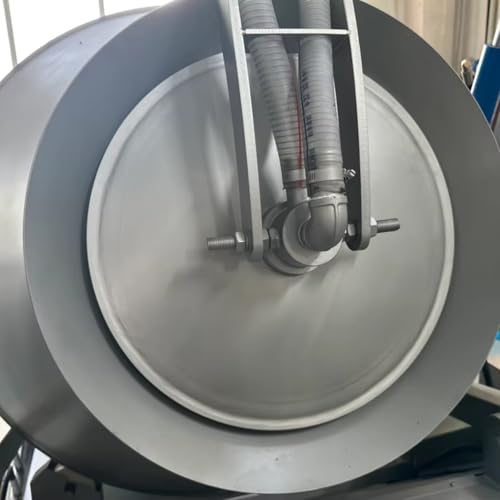

- Quick-release mechanism switches between tumbler and agitator for versatile processing tasks
- Low-speed mode efficiently dehydrates vegetables and extends salad shelf life
- Seamless drum design and high-pressure water jet ensure hygienic, fast cleaning
- Customization options include logo engraving and mixing paddle adjustments for precise operation
- Supports meat portioning tutorials to improve kitchen staff proficiency
FAQ About Vacuum Meat Processors
Q1: What is the main benefit of vacuum meat processing?
Vacuum meat processing enhances meat tenderness, flavor absorption, and shelf life by reducing oxygen exposure and promoting even mixing under controlled vacuum pressure.
Q2: Can vacuum meat processors be used for vegetables or prepared salads?
Yes, many vacuum meat processors feature a low-speed mode that gently dehydrates vegetables and extends the freshness and shelf life of ready-to-eat salads.
Q3: How important is cleaning in vacuum meat processing?
Cleaning is critical to prevent contamination and maintain hygiene. Machines with seamless drum construction and easy-clean features help speed up sanitation between batches.
Q4: What features should I look for in a commercial vacuum meat processor?
Key features include variable speed controls, adjustable timers, a vacuum-tight drum, quick-switch mechanisms for different processing tasks, and hygienic design for easy cleaning.
Q5: How does vacuum processing affect meat tenderness?
The vacuum tumbling action breaks down muscle fibers and connective tissues more effectively than regular mixing, resulting in tender, flavorful meat products.
Q6: Are there customization options available for vacuum meat processors?
Some manufacturers offer options like personalized logo engraving, custom mixing paddle ratios, and supplemental training materials to support specific kitchen workflows.
Conclusion: Efficient Kitchen Prep Powered by Vacuum Meat Processing
Vacuum meat processors are indispensable for prep kitchens aiming to boost productivity, product quality, and hygiene. Understanding the technology and how to adopt it properly leads to consistent tenderization, enhanced flavor, and better shelf life for a wide range of products. Choosing versatile machines that combine multi-functionality, easy cleaning, and customizable elements — such as the versatile vacuum meat processor with an industrial-grade drum, timer, and three speed settings — streamlines operations and benefits kitchen staff and customers alike.
Enhance your prep kitchen workflow today by exploring the features of this core vacuum meat processing tool.