Commercial Meat Curing Equipment Essentials for Efficient Kitchens
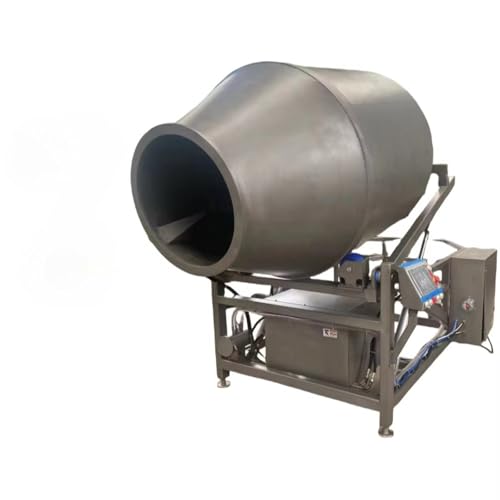
Commercial meat curing equipment with stainless steel vacuum tumblers, intelligent digital timer, and easy-to-clean features, perfect for commercial kitchens and slaughterhouses.
Practical helper for commercial meat curing workflows: compact, straightforward, and easy to integrate.
Disclosure: This article contains affiliate links. As an Amazon Associate, I earn from qualifying purchases.
Efficiently curing meat in commercial kitchens requires specialized equipment designed to handle large volumes, ensure food safety, and maintain consistent quality. Commercial meat curing equipment with stainless steel vacuum tumblers, intelligent digital timers, and easy-to-clean features provides an essential solution for streamlining this process. In this guide, we’ll explore the fundamentals of meat curing equipment, decision factors, implementation steps, and practical applications to help your kitchen operate more efficiently.
Understanding Commercial Meat Curing Equipment
Commercial meat curing equipment refers to the machinery and tools used to treat meats with curing agents such as salts, nitrates, and seasonings under controlled conditions. The objective is to enhance flavor, preserve the meat, and improve texture. A key element in modern commercial kitchens is the vacuum tumbler, which gently massages the meat in a vacuum-sealed drum, ensuring even distribution of curing agents while reducing oxidation.
Why Efficient Meat Curing Matters
Efficient curing improves the final product’s taste and shelf-life while reducing waste and labor intensity. It also ensures that food safety regulations are met by controlling the curing environment precisely. Using equipment with features like an intelligent digital timer, power-off memory, and quick disassembly for cleaning can greatly improve workflow efficiency and reliability in busy commercial environments.
Key Considerations When Choosing Meat Curing Equipment
Selecting the right commercial meat curing equipment involves evaluating several factors critical to kitchen efficiency and product quality:
1. Vacuum Tumbler Design and Capacity
Look for equipment with a high-quality stainless steel barrel that is easy to disassemble and clean. Mirror-polished surfaces reduce residue buildup, minimizing cleaning time. Choose a barrel size that matches your daily meat processing volume—models with customizable volume from 50L to 200L provide flexibility for different kitchen scales.
2. Intelligent Timing and Control Features
An intelligent control system with programmable tumbling cycles (e.g., 0 to 99 hours) and power-off memory safeguards production continuity during power interruptions. This precision ensures consistent curing results without constant manual monitoring.
3. Multi-Scenario Adaptability
The ability to adjust tumbling speeds and handle diverse products (ham, sausage, etc.) broadens the equipment’s usefulness. Customized texture outcomes contribute to product differentiation and customer satisfaction.
4. Energy Efficiency and Noise Reduction
Variable frequency motor technology reduces energy usage by approximately 40%, lowering operational costs. Quiet operation (under 65dB) creates a better work environment, especially in open or small kitchens.
5. Mobility and Space Requirements
Shock-absorbing casters facilitate movement and placement flexibility, essential for kitchens with limited space or multiple processing areas.
Step-by-Step Implementation Checklist for Efficient Meat Curing
-
Assess Your Processing Needs: Determine your daily meat volume and types of cured products you plan to produce.
-
Select Appropriate Equipment: Choose a vacuum tumbler size and features that align with your needs, considering customizable options when necessary.
-
Plan for Workflow Integration: Position the curing equipment to optimize space and ensure easy access for cleaning and maintenance.
-
Set Up Intelligent Timer Cycles: Program tumbling cycles according to product recipes, ensuring consistent processing.
-
Train Staff on Operation and Safety: Ensure handlers understand operation protocols, including emergency stops and power-off memory features.
-
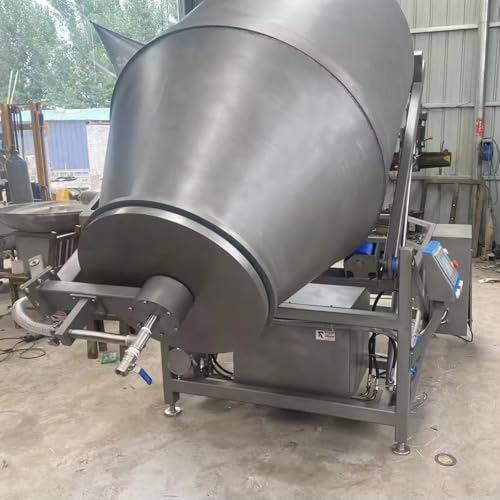
Implement Cleaning Protocols: Use the quick-release snaps to dismantle the tumbler barrel, achieving thorough cleaning in minutes—which maintains hygiene and equipment longevity.
-
Monitor and Adjust Process: Track curing results and fine-tune tumbling speeds or timer settings as needed.
Practical Use Cases for Commercial Meat Curing Equipment
Commercial meat curing equipment is invaluable across various culinary and meat processing scenarios:
- Restaurants preparing large batches of cured ham or specialty sausages benefit from consistent, scalable processing.
- Slaughterhouses integrate this equipment for efficient post-slaughter curing, improving product quality and reducing manual labor.
- Specialty meat producers seeking to offer customized textures through adjustable tumbling speeds.
In each case, the equipment’s modular design and customizable options adapt to different business needs while maintaining hygiene and energy efficiency.
Tips, Best Practices & Common Mistakes
- Tip: Regularly calibrate your intelligent timer system to maintain accuracy in tumbling cycles.
- Tip: Utilize the quick-release and modular design to clean the equipment after each use, preventing residue-related contamination.
- Mistake to Avoid: Overloading the tumbler beyond its capacity can reduce curing uniformity and strain the motor.
- Tip: Customize tumbling speeds based on the meat product type to achieve optimal texture without damaging the meat fibers.
- Mistake to Avoid: Neglecting the shock-absorbing casters can lead to difficulties in moving the equipment, impacting kitchen flow.
Maintenance, Safety, and Troubleshooting
Routine maintenance includes lubrication of moving parts, inspection of motor function, and ensuring vacuum seals remain airtight. Safety precautions should include training staff to turn off and unplug equipment before cleaning. Should tumbling noise increase or irregular timer behavior appear, check for motor wear or electrical faults promptly to avoid operational downtime.
Where Commercial Meat Curing Equipment with Stainless Steel Vacuum Tumblers Fits into Your Workflow
This equipment integrates seamlessly in commercial kitchens and slaughterhouses aiming for efficient, high-volume meat curing with minimal manual intervention.
- Good fit when you need:
- Consistent curing cycles with programmable timers.
- Easy cleaning and sanitation protocols.
- Adaptable capacity ranging from 50L to 200L barrels.
- Reduced energy costs with quiet operation.
- Mobility within limited kitchen spaces.
- Versatility for various cured meat products like ham, sausage, and more.
Commercial meat curing equipment with stainless steel vacuum tumblers, intelligent digital timer, and easy-to-clean features, perfect for commercial kitchens and slaughterhouses.


- Intelligent control system with digital timer and power-off memory ensures uninterrupted processing
- Modular stainless steel vacuum tumbler allows fast cleaning and reduces residue adhesion
- Customizable barrel volumes and adjustable tumbling speeds accommodate various meat types and production scales
- Energy-saving motor technology reduces costs and lowers noise for kitchen comfort
- Shock-absorbing casters enable easy mobility even in compact spaces
Specs at a Glance
| Specification | Detail |
|---|---|
| Barrel Volume | 50L – 200L customizable |
| Timer Settings | 0 – 99 hours preset |
| Material | Stainless steel (mirror-polished) |
| Cleaning Time | Under 3 minutes for complete disassembly |
| Motor Type | Variable frequency motor (energy-saving) |
| Noise Level | ≤65 dB (quiet operation) |
| Mobility | Shock-absorbing casters included |
| Application | Suitable for ham, sausage, and other meats |
| Power-off Memory | Yes |
Advanced control features for precise commercial meat curing.
FAQ: Common Questions About Commercial Meat Curing Equipment
Q1: What capacity of meat can commercial curing equipment handle daily?
Most models, including the one featured here, can process up to 300 kg of meat daily, scalable with barrel size.
Q2: How does vacuum tumbling improve meat curing?
Vacuum tumbling distributes curing agents evenly while enhancing meat texture and reducing oxidation, improving flavor and shelf-life.
Q3: Is the equipment easy to clean and maintain?
Yes, thanks to features like quick-release snaps and a mirror-polished stainless steel barrel that reduces residue buildup and allows cleaning in under 3 minutes.
Q4: Can I adjust the curing process for different meat products?
Absolutely, you can customize tumbling speeds and timer settings for products like ham, sausage, and more, tailoring texture and curing intensity.
Q5: Does the equipment consume a lot of energy?
This equipment employs variable frequency motor technology, saving about 40% energy compared to traditional models.
Q6: Is it noisy during operation?
No, it maintains a noise level of ≤65 dB, creating a quieter kitchen environment.
Mobile and efficient commercial meat curing equipment for busy kitchens.
Conclusion
Efficient commercial meat curing is essential for quality, safety, and productivity in busy kitchens and meat processing facilities. Investing in specialized equipment with stainless steel vacuum tumblers, intelligent digital timers, and easy cleaning features can streamline operations, optimize energy use, and enhance final product quality. Whether processing large batches or specialty meats, this type of equipment adapts to various needs while supporting food safety standards and kitchen workflows.
For a reliable solution that balances performance, customization, and ease of use, consider exploring this commercial meat curing equipment with stainless steel vacuum tumblers, intelligent digital timer, and easy-to-clean features, perfect for commercial kitchens and slaughterhouses.
Ready to enhance your meat curing efficiency?
Check out this commercial meat curing equipment on Amazon to streamline your kitchen’s curing process with advanced features and durability.